Optimizing Pakistan’s Energy Trajectory: Anticipating Fuel Price Adjustments
A calibrated adjustment in Pakistan Fuel Prices is strategically anticipated for March 1st, 2026, pending government approval. This projected increase, potentially reaching Rs. 6.8 per litre for high-speed diesel, signifies a response to evolving global energy market dynamics. Furthermore, the rate for Motor Spirit (MS) petrol is expected to climb by Rs. 5.13 per litre, establishing new operational baselines for consumers and industry alike.

The Translation: Deconstructing Energy Cost Dynamics
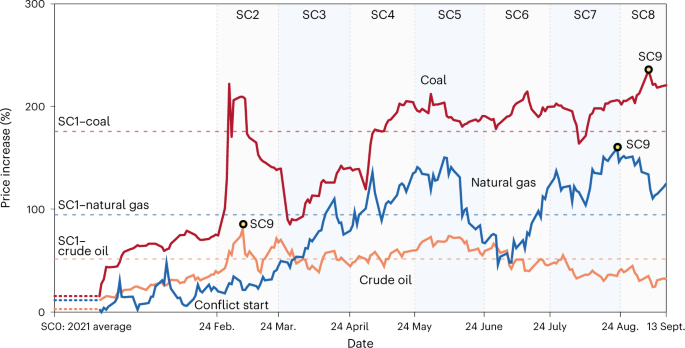
This imminent shift in domestic fuel rates stems predominantly from a 2.7 percent rise in international Arab Light crude oil prices. Moreover, marginal increases in global supply chain spreads have contributed to the upward pressure on domestic petroleum product costs. In essence, Pakistan’s energy pricing structure reflects direct correlations with global commodity market fluctuations, mandating periodic adjustments to maintain economic equilibrium.
Understanding the Price Evolution
Historically, the federal government recently set high-speed diesel at Rs. 275.7 per litre and petrol at Rs. 258.17 per litre in the preceding fortnight. Consequently, the forthcoming adjustments will reset these values to approximately Rs. 282.50 per litre for diesel and Rs. 263.30 per litre for petrol. These precise recalibrations are essential for the nation’s energy sector to align with global benchmarks.

The Socio-Economic Impact: Calibrating Daily Life
The revised Pakistan Fuel Prices will structurally influence the daily financial calculus for millions. For urban professionals and students relying on public or private transport, a direct increase in commuting costs is inevitable. Similarly, rural households engaged in agriculture will experience elevated operational expenditures due to higher diesel rates for machinery and transportation.
Mitigating Household Budget Pressures
- Transportation Costs: Expect a marginal increase in fares for public transport and personal vehicle fuel expenses.
- Goods & Services: Indirectly, the cost of essential goods transported across the nation may experience a slight uptick.
- Agricultural Sector: Farmers face increased input costs for irrigation and harvest machinery, potentially affecting produce prices.
These impacts necessitate a strategic approach to household budgeting and business operational planning, reinforcing the need for systemic efficiencies.

The "Forward Path": A Stabilization Move for Economic Resilience
This anticipated adjustment in energy prices represents a "Stabilization Move." It is not a disruptive momentum shift but rather a calibrated response designed to absorb external economic pressures and maintain the structural integrity of the national exchequer. By aligning domestic prices with global trends, Pakistan strategically mitigates potential energy market distortions and reinforces fiscal discipline.
Strategic Implications for National Development
The government’s decision reflects a commitment to transparent and data-driven economic policy. Consequently, this measure aims to prevent larger, more volatile price shocks in the future, fostering a predictable energy environment. This proactive management is vital for sustained national advancement and robust economic planning.