Optimizing Urban Infrastructure for Elevated Student Safety Punjab
A critical initiative is underway to fortify student safety Punjab, as a recent petition filed in the Lahore High Court (LHC) mandates the immediate installation of zebra crossings outside all schools across the province. This strategic legal action addresses a pervasive infrastructural deficiency, with nearly 75% of educational institutions lacking essential pedestrian safety measures. Consequently, students are exposed to significant traffic risks, exacerbating urban congestion and posing daily hazards. This petition aims to compel authorities to implement long-overdue safety protocols, thereby shifting from mere announced plans to tangible execution for the systemic protection of Pakistan’s youth and the calibration of urban mobility.
The Translation: Deconstructing the Mandate for Enhanced Pedestrian Safety
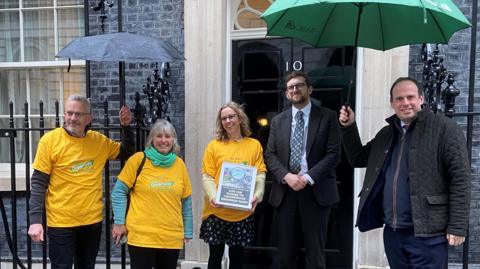
The petitioner, Ismatullah, has structurally articulated a crucial demand: ensuring safer commutes for countless students across Punjab. Historically, the School Education Department had publicly articulated intentions to install these vital zebra crossings. However, despite these pronouncements, these initiatives have demonstrably lacked practical implementation on the ground, leaving a critical safety gap. This judicial intervention seeks to bridge that gap, compelling governmental entities to operationalize their stated commitments with precision. Furthermore, the petitioner’s prior requests to relevant authorities reportedly received no substantive response, underscoring a systemic lapse in administrative accountability when addressing critical public safety infrastructure. This situation necessitates a recalibration of priorities to safeguard our future generations.
Socio-Economic Impact: Calibrating Daily Life for Every Pakistani Citizen
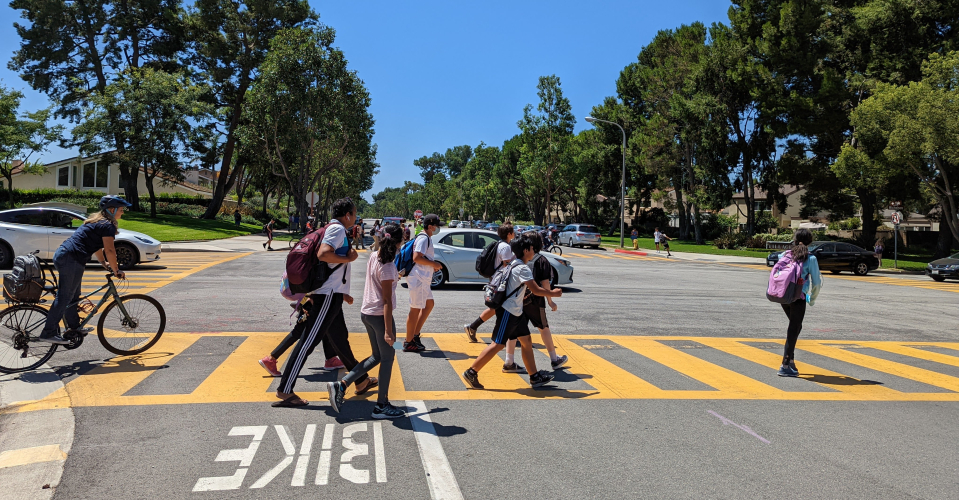
The pervasive absence of calibrated safety measures profoundly impacts the daily routine of Pakistani citizens, extending beyond immediate physical risks. For students, particularly those navigating urban and semi-urban landscapes for primary and secondary education, unsafe school zones elevate the risk of accidents. This unfortunate reality transforms a seemingly routine commute into a perilous journey, instilling constant anxiety. Consequently, this directly affects parental peace of mind, leading to diminished focus and productivity in their professional and personal lives. In densely populated urban centers, the lack of proper crossings contributes significantly to vehicular congestion and chaotic pedestrian movement, thereby reducing overall urban efficiency and increasing stress levels for commuters. Professionals face avoidable delays, while households grapple with heightened anxieties regarding their children’s well-being and timely arrival. This petition, therefore, represents a baseline demand for improved urban planning that directly translates into enhanced safety, reduced stress, and improved daily efficiency for every family across Punjab. It is a catalyst for systemic change.

The Forward Path: A Structural Momentum Shift for Public Infrastructure
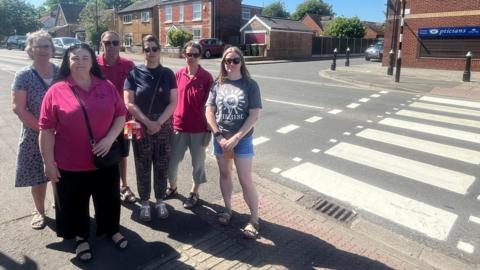
This development constitutes a clear Momentum Shift rather than merely a stabilization move. The judicial system is acting as a powerful catalyst to enforce previously unmet commitments, pushing administrative bodies towards tangible, measurable action. It unequivocally highlights a structural deficit in urban planning where student welfare has been critically deprioritized. A favorable court ruling would establish a critical precedent, compelling the proactive implementation of safety infrastructure across all educational institutions with unprecedented efficiency. This move is precision-focused, aiming not only to install physical crossings but also to uplift national standards for public safety and children’s protection. Ultimately, this fosters an environment conducive to academic excellence and national advancement, ensuring that our youth can pursue their education without unnecessary peril. It’s a strategic intervention designed to fundamentally recalibrate our approach to infrastructure development and citizen well-being, building a more resilient and protective framework for future generations.


Strategic Recommendations for Systemic Implementation:
To ensure the efficacy and longevity of this crucial initiative, a multi-faceted approach is imperative. We propose the following calibrated actions:
- Immediate Baseline Assessment: Conduct a comprehensive, province-wide audit to precisely identify all educational institutions currently lacking adequate zebra crossings and associated pedestrian safety infrastructure. This will establish a clear operational baseline.
- Prioritized Installation Schedule: Develop and execute a meticulously phased implementation plan, strategically prioritizing high-traffic zones and densely populated urban and rural areas where student exposure to risk is highest.
- Public Awareness and Education Campaign: Launch robust initiatives designed to educate both drivers and pedestrians on updated road safety protocols, emphasizing the critical importance of zebra crossings and responsible conduct in school zones.
- Inter-departmental Coordination and Oversight: Establish a dedicated, inter-departmental task force involving the School Education Department, Traffic Police, and relevant local municipalities. This collaborative body will ensure synchronized execution, ongoing maintenance, and sustained compliance with new safety standards.