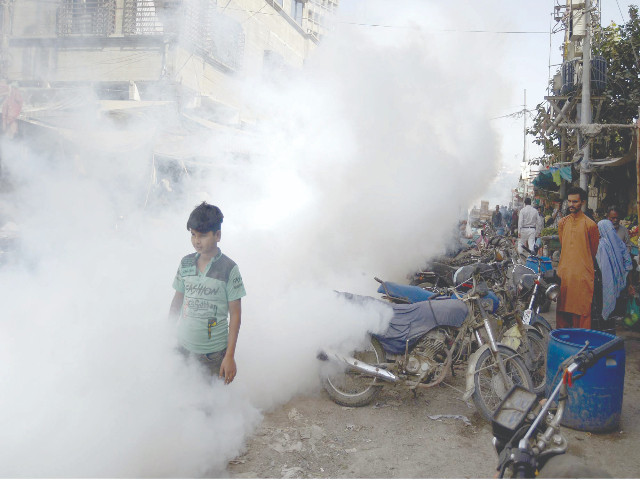
Peshawar has strategically activated its Dengue Action Plan 2026, a critical measure to proactively combat the virus’s spread following recent meteorological shifts and prior to the anticipated peak season. Commissioner Peshawar Division Riaz Khan Mehsud spearheaded a high-level review, ensuring a calibrated implementation strategy to safeguard public health and systemic efficiency. This comprehensive initiative, designed for optimal dengue prevention in Peshawar, consolidates interdepartmental coordination and community engagement, establishing a robust framework against potential outbreaks.
The Translation: Strategic Vector Control in Focus
This initiative represents a comprehensive, multi-sectoral approach to public health security. Fundamentally, the Peshawar Dengue Action Plan 2026 orchestrates efforts across various departments, from urban planning to community engagement. Consequently, Deputy Commissioners and District Health Officers are providing real-time updates on crucial field operations, including meticulous vector surveillance, expansive cleanliness drives, and targeted public awareness campaigns. The structural integrity of this plan relies on:
- Interdepartmental Coordination: Streamlining communication and resource allocation among government bodies.
- Environmental Management: Proactive measures to eliminate breeding grounds.
- Vector Surveillance: Continuous monitoring of mosquito populations and disease prevalence.
- Timely Response: Rapid deployment of resources in affected zones.
- Capacity Building: Enhancing the capabilities of healthcare workers and local communities.
- Community Participation: Engaging citizens as vital partners in prevention efforts.
Socio-Economic Impact: Calibrated Protection for Every Citizen
This action plan directly influences the daily lives of Pakistani citizens by establishing a robust public health defense. Specifically, the structured three-phase approach—pre-season (February-June), peak season (July-November), and post-season (December-January)—ensures year-round vigilance. For urban and rural households, this translates into reduced health risks and fewer disruptions to daily routines. Students will experience safer educational environments, while professionals can maintain productivity without the pervasive threat of a widespread health crisis. Furthermore, the plan’s emphasis on hospital preparedness, rapid resource mobilization, and targeted fogging signifies a structural commitment to minimizing both individual suffering and the broader economic burden associated with dengue outbreaks. This strategic readiness protects livelihoods and maintains civic functionality.
The Forward Path: A Decisive Stabilization Move
This activation of the Peshawar Dengue Action Plan represents a crucial stabilization move rather than a mere momentum shift. While progress is evident in its proactive structure, the consistent seasonal rise in dengue cases, particularly from August to October, underscores a recurring systemic challenge. The plan’s comprehensive measures, including an Emergency Response Cell and daily situation reporting, demonstrate a commitment to precise, data-driven interventions. However, sustained investment in infrastructure and behavioral change campaigns remains paramount for truly transformative national advancement in public health.