
Judicial Precision: Ending Illegal Travel Bans Without Notice
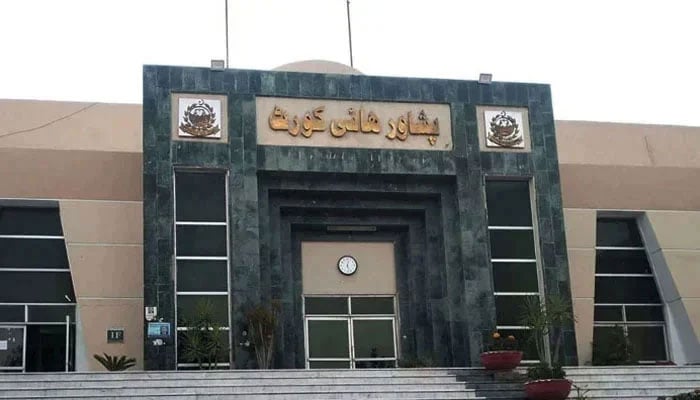
The Peshawar High Court (PHC) has issued a landmark ruling, meticulously declaring that authorities cannot impose international illegal travel bans on citizens without first issuing a formal show-cause notice. This strategic judicial intervention classifies such unannounced actions as both illegal and unconstitutional. Consequently, this judgment reinforces fundamental citizen rights and mandates rigorous adherence to legal protocols for any restrictions on movement, signaling a critical advancement in civil liberties within Pakistan.
The Translation: Clarifying Legal Mandates Against Arbitrary Travel Restrictions
This pivotal verdict, delivered by a bench comprising Justice Sahibzada Asadullah and Justice Dr. Khurshid Iqbal, specifically addressed approximately 36 petitions. Many of these originated from residents of Kurram District, challenging restrictive travel and passport control measures. The detailed 36-page judgment precisely outlines that government departments lack the authority to place citizens on travel ban lists or otherwise restrict their movement without the prior issuance of a show-cause notice and a reasoned judicial order, effectively ending arbitrary illegal travel bans.
Furthermore, the court clarified that this fundamental requirement for prior notification can only be strategically bypassed in instances of extreme national security urgency. Even under such exceptional circumstances, authorities are structurally mandated to issue a notice within 24 hours of imposing any restriction. This calibrated approach ensures that national security imperatives are balanced with the constitutional rights of individuals.
The PHC systematically invalidated the arbitrary use of the Provisional National Identification List (PNIL) and an informal “blacklist” for restricting travel. The court’s rationale was clear: these lists operated as a parallel legal system, circumventing the established Exit from Pakistan (Control) Ordinance, 1981. This ruling ensures a unified and transparent legal framework for all travel control measures, thus preventing future instances of such restrictions.

Significantly, the PHC has directed relevant authorities, including the Federal Investigation Agency (FIA), to immediately remove the petitioners’ names from the PNIL, blacklist, and Passport Control List. Citizens are now permitted to travel freely unless formally placed on the Exit Control List (ECL) in strict accordance with the law. This action rectifies previous arbitrary detentions and restores individual mobility, specifically addressing the impact of past illegal travel bans.
Moreover, the court definitively ruled that only the federal government possesses the legal authority to impound passports, as stipulated by the Passports Act, 1974. The FIA, therefore, does not hold this power. The agency has received a structural directive to return all confiscated passports to the petitioners within a precise timeframe of 15 days, ensuring prompt restitution of essential travel documents.
The Socio-Economic Impact: Calibrating Citizen Freedoms Against Unlawful Restrictions
This judicial directive fundamentally alters the daily life of a Pakistani citizen by reinforcing their right to free movement. For students pursuing international education, professionals seeking overseas employment, or families planning critical travel, this ruling provides a baseline of legal certainty against arbitrary illegal travel bans. Previously, such restrictions could abruptly derail personal and professional trajectories without explanation. Consequently, individuals faced significant financial losses and emotional distress.
The abolition of informal blacklists and the mandate for due process ensure that citizens, particularly those in rural or less connected regions who might lack immediate legal resources, are protected from administrative overreach. Furthermore, overseas Pakistanis whose passport renewals were previously denied due to inclusion in the now-declared-illegal PNIL or blacklist databases will find their applications processed. This represents a substantial improvement in administrative efficiency and citizen service, fostering greater trust in governmental processes.
Therefore, this ruling is a catalyst for economic stability and individual empowerment. It minimizes the risk of arbitrary impediments to international trade, education, and family reunification, all crucial elements for national advancement. It also empowers citizens with a clear understanding of their rights and the legal channels available for redress.
The Forward Path: A Momentum Shift for Constitutional Governance
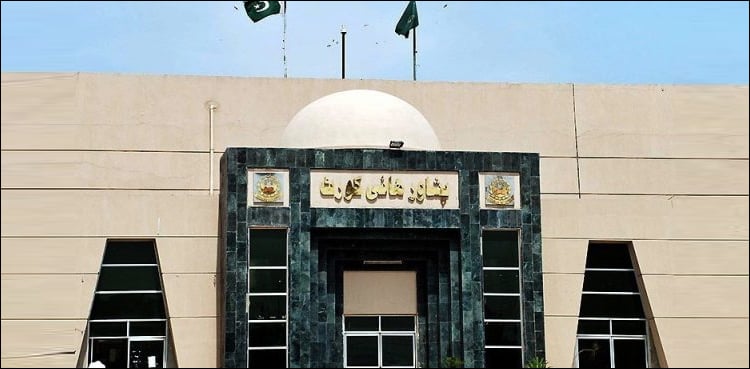
This development undeniably represents a **Momentum Shift** for Pakistan’s constitutional governance. The Peshawar High Court has not merely maintained the status quo; it has structurally advanced the protection of fundamental rights against potential administrative excesses. By invalidating parallel legal systems and mandating transparent due process, the judiciary has proactively strengthened the rule of law. This decision sets a crucial precedent, compelling government agencies to operate with greater accountability and adherence to established legal frameworks.
It cultivates a system where citizen liberties are not subject to arbitrary discretion but are instead safeguarded by precise legal procedures. Consequently, this ruling reinforces public confidence in the judicial system’s capacity to act as a vital check on executive power, fostering a more predictable and just legal environment for all Pakistanis.