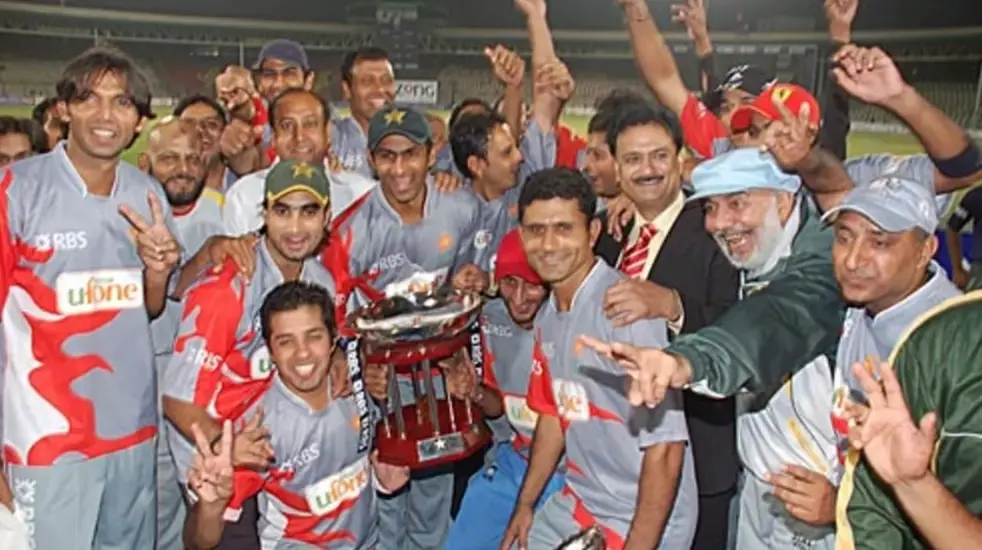
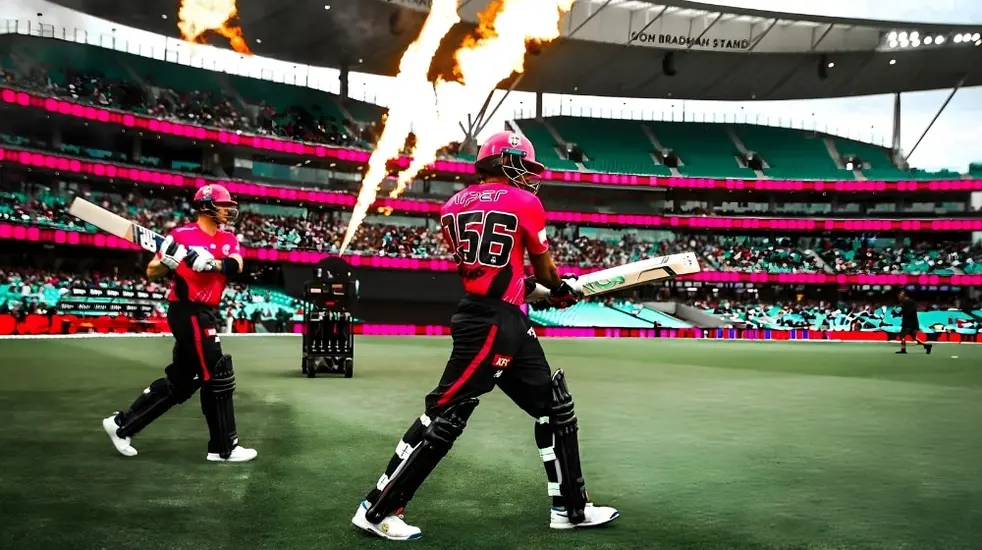
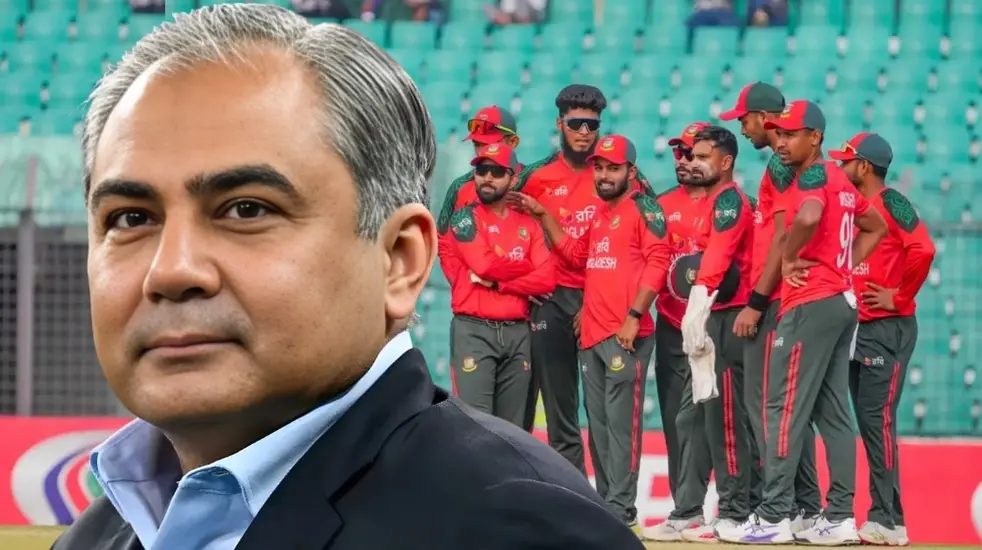
In a structural move to safeguard national sporting interests, the Pakistan Cricket Board (PCB) has strategically initiated a contingency plan. This proactive measure addresses the prevailing uncertainty surrounding Pakistan’s T20 World Cup 2026 participation. Consequently, the PCB is preparing for an alternative domestic tournament in Lahore, ensuring continuous athletic development regardless of international engagement. This planning emerges amidst escalating tensions following the International Cricket Council’s (ICC) recent decisions impacting other regional teams.
Calibrating Pakistan’s T20 World Cup Strategy
The PCB’s contingency framework, as reported by Geo News, involves organizing a four-team tournament in Lahore. This competition would integrate players from the national pool alongside promising talents from the Shaheens Under-18 squad. Such an initiative ensures competitive exposure and talent retention, even if Pakistan ultimately withdraws from the global event. Furthermore, this strategic preparation highlights a baseline commitment to cricket’s continuity within the nation, particularly in light of the global event’s complexities.
The Translation: Navigating International Cricket Dynamics
The core logic behind this preparatory action stems from recent international developments. The ICC previously rejected a request from the Bangladesh Cricket Board (BCB) to relocate its World Cup matches from India. This rejection followed the exclusion of pacer Mustafizur Rahman from the Indian Premier League (IPL), sparking significant critique within Bangladesh’s cricket community. Subsequently, the ICC cited schedule inflexibility, leading to Scotland replacing Bangladesh in the marquee event. This specific sequence of events triggered internal discussions regarding Pakistan’s potential withdrawal, especially considering the existing arrangement for Pakistan to play its ICC event matches at neutral venues in Sri Lanka, rather than India. This context is critical for understanding the PCB’s approach to global tournaments.
Socio-Economic Impact: Precision Planning for National Growth
This strategic recalibration directly impacts the daily lives of Pakistani citizens across various demographics. For young students and aspiring cricketers, the proposed domestic tournament offers a vital platform for skill development and national recognition, fostering a robust pipeline of talent. Professionals within the sports industry, from coaches to support staff, gain employment stability and continued engagement. Consequently, households in both urban and rural Pakistan experience a consistent stream of high-quality domestic cricket, reinforcing national pride and community engagement in the sport. This precise planning acts as a catalyst for sustained athletic and community development.
The “Forward Path”: A Strategic Stabilization Move
From a structural perspective, this development represents a “Stabilization Move.” While potential withdrawal from a global event might initially appear as a setback, the PCB’s proactive formulation of a domestic alternative demonstrates disciplined foresight. This approach prioritizes internal systemic strength and player welfare, ensuring that national talent continues to develop and compete. It is a pragmatic response to unpredictable external variables, emphasizing resilience and self-reliance in the face of international cricket politics. This strategic pivot ensures the baseline health of Pakistan’s cricket ecosystem, safeguarding the future of Pakistan T20 World Cup aspirations.
An official determination regarding Pakistan’s participation is anticipated following PCB Chairman Mohsin Naqvi’s scheduled meeting with Prime Minister Shehbaz Sharif. The T20 World Cup is slated to commence on February 7, with India and Sri Lanka serving as co-hosts.