

A significant procedural shift is underway within Pakistan’s legislative framework, poised to redefine accessibility to the annual Hajj pilgrimage. The National Assembly Standing Committee on Religious Affairs has strategically advanced a proposal enabling each Member of the National Assembly (MNA) to execute ten Hajj nominations annually. Furthermore, this initiative mandates the dispatch of an annual 10-member parliamentary delegation to Madinah at government expense, solidifying a structured approach to religious and diplomatic representation. This development aims to institutionalize a precise mechanism for pilgrimage facilitation, directly impacting citizens seeking to fulfill their religious obligations through a formalized channel of political patronage.
This calibrated recommendation emerged from a critical committee meeting chaired by MNA Shagufta Jamani. Consequently, the proposed system seeks to streamline the nomination process while ensuring official representation for the Pakistani nation during the sacred journey.
Calibrating Pilgrimage Access: Decoding the MNA Hajj Nominations Proposal
The core of this legislative proposal lies in its dual operational mechanisms, designed to optimize pilgrimage access and official representation:
- MNA Hajj Nominations: Each Member of the National Assembly (MNA) would be empowered to nominate ten individuals annually for the Hajj pilgrimage. This structural change aims to provide a direct pathway for constituents to access the sacred journey through their elected representatives.
- Parliamentary Delegation: An annual, state-funded delegation of ten parliamentarians would be dispatched to Madinah and Makkah. This delegation is mandated to present salutations at Roza-e-Rasool (PBUH), perform nawafil at Masjid-e-Nabvi, and undertake Umrah, institutionalizing a continuous official presence representing Pakistan.
Historically, similar delegations have undertaken such journeys. This proposal, however, aims to formalize and institutionalize this practice, ensuring its annual recurrence. Moreover, the committee clarified that family members of the delegation members may accompany them. The National Assembly Speaker holds the authority to nominate delegation members, with the committee chairperson leading in the Speaker’s absence.
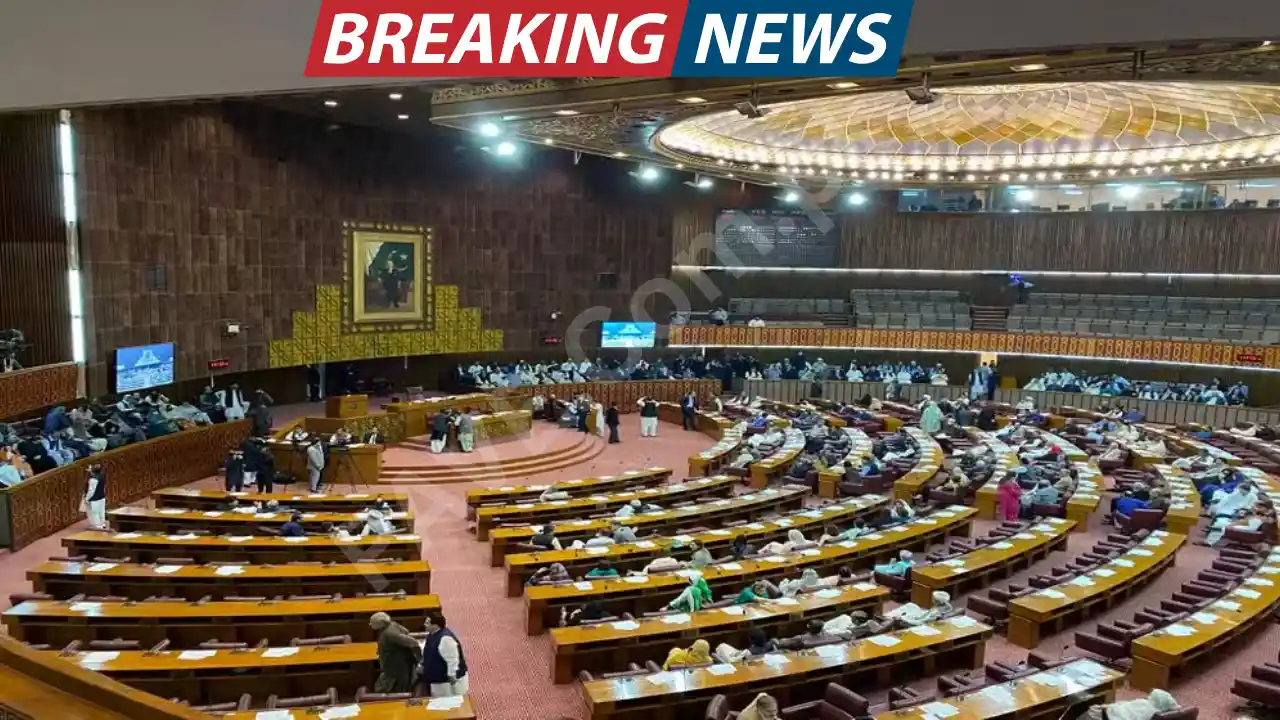
A crucial financial aspect underscores the proposal: MNA Shagufta Jamani meticulously argued that the National Assembly must bear all expenses for the official delegation. She emphasized that self-funded travel, by definition, cannot constitute an official delegation. The committee members unanimously endorsed this baseline position, recognizing the importance of maintaining integrity in state-sponsored initiatives.
Systemic Ramifications: How Hajj Policy Adjustments Impact Pakistani Citizens
The implementation of this policy will generate discernible socio-economic impacts across various segments of Pakistani society. For many rural and urban households, securing a Hajj nomination through an MNA could alleviate significant financial and logistical burdens associated with private pilgrimage arrangements. This offers a direct pathway to fulfilling a fundamental religious obligation, particularly for those who might otherwise struggle to afford or access it.
For aspiring pilgrims, this revised framework introduces a new dynamic of engagement with their elected representatives. While it potentially broadens access, it also centralizes a degree of discretionary power within the political structure. Students and young professionals, often with limited financial resources, might find this avenue a more viable option. Conversely, it necessitates transparent and equitable allocation mechanisms by MNAs to prevent perceptions of favoritism or political leverage.
Charting the Course: A Strategic Appraisal of Pakistan’s Hajj Framework
From a “Next Generation Pakistan” perspective, this development represents a Stabilization Move. While the proposal aims to streamline and institutionalize a system for Hajj access and representation, it primarily reinforces existing patronage networks rather than fundamentally innovating the broader Hajj policy or its underlying logistical infrastructure. It calibrates an existing practice into a more formal structure, providing predictability rather than transformative advancement.
The disciplined allocation of ten slots per MNA and the institutionalization of an official delegation enhance systemic order. However, a truly progressive shift would involve leveraging technology for transparent selection, optimizing cost structures, and broadening access mechanisms beyond political discretion to ensure equitable opportunities for all citizens.
Operationalizing the Recommendations: The Path Ahead for Hajj Policy
The committee’s recommendations, having received unanimous endorsement, will now be formally forwarded for further consideration and approval by the relevant authorities. This next phase will involve detailed scrutiny and potential refinement before the proposal can be enacted into official policy. The focus now shifts to the executive and broader legislative bodies to ensure the efficient and equitable operationalization of these proposed Hajj policy adjustments.








