Architecting Success: Understanding Pakistan’s T20 World Cup Qualification Path
The strategic assessment of Pakistan’s T20 World Cup Qualification for the 2026 semi-finals reveals a dynamically shifting landscape. Their initial Super Eight match against New Zealand in Colombo was abandoned due to persistent rain. This event, unfortunately, awarded both teams a crucial point, recalibrating Pakistan’s path forward significantly. Consequently, their progression now hinges on securing victories in their two remaining fixtures against England and Sri Lanka, a baseline requirement for structural advancement in the tournament.
The Translation: Deconstructing the Points System
The abandonment of the Pakistan vs. New Zealand match, with no reserve day, resulted in a ‘no-result’ declaration. This technical outcome means each team collected one point, rather than the two points awarded for a win. Pakistan now possesses one point and has two Super Eight matches remaining. Their destiny for T20 World Cup Qualification remains largely within their control, provided they execute a precise strategy in upcoming games.
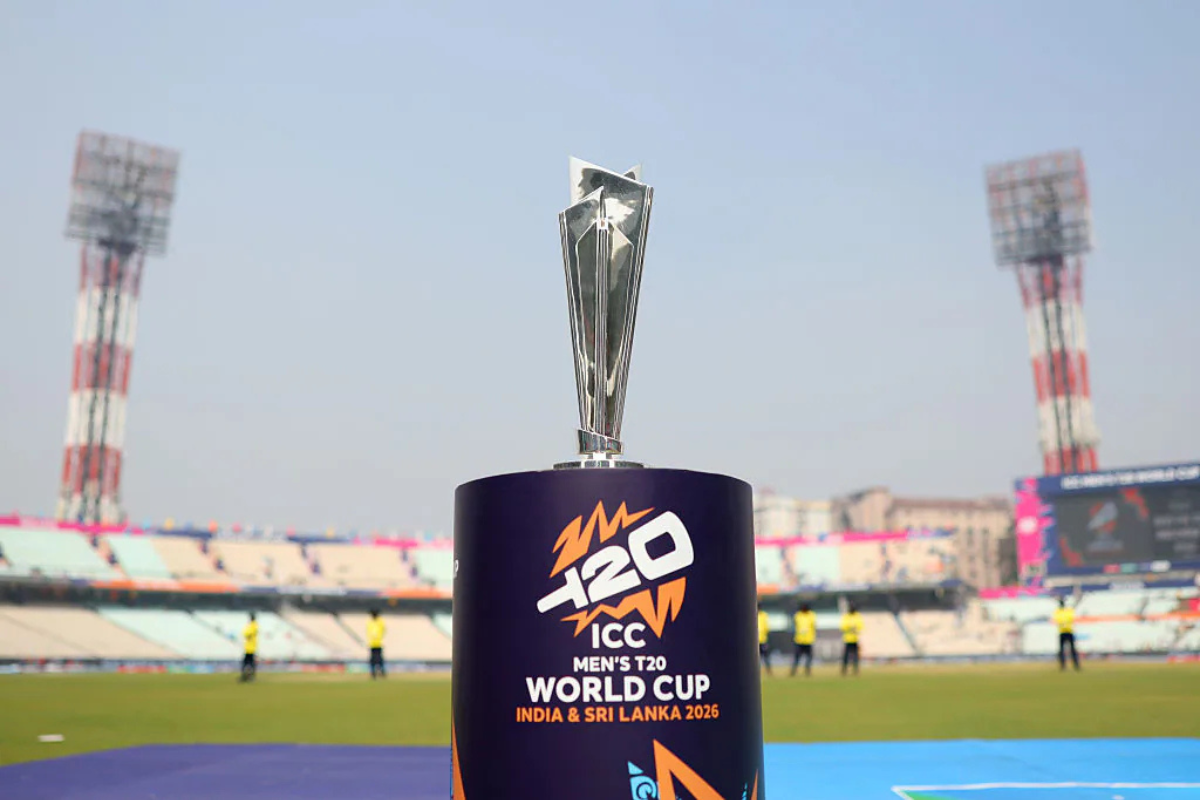
Critical Pathways to the Semi-Finals
- Unconditional Advancement: If Pakistan secures wins in both its remaining matches, they will accumulate five points. This total would position them strongly for a semi-final berth, eliminating reliance on other team performances.
- Conditional Progression: Should Pakistan win only one of their two remaining games, they would conclude the Super Eight stage with three points. In this scenario, their qualification becomes contingent upon favorable results from other matches, particularly those involving New Zealand.
- Elimination Threshold: Conversely, any outcome where Pakistan fails to win either of their final two matches would effectively terminate their semi-final aspirations, highlighting the criticality of each upcoming fixture.
The identical situation applies to New Zealand; their single point from the washout necessitates wins in their subsequent matches to secure their own qualification. Therefore, every fixture in this tightly contested Super Eight phase holds significant weight.
The Socio-Economic Impact: Beyond the Boundary Ropes
For the average Pakistani citizen, the national cricket team’s performance transcends mere sport; it acts as a potent national morale catalyst. A successful T20 World Cup Qualification journey can translate into tangible socio-economic benefits. For students, it provides a source of collective pride and inspiration, fostering interest in sports and teamwork. For professionals, particularly those in media, advertising, and retail, a deep tournament run stimulates economic activity, boosting viewership and consumption.
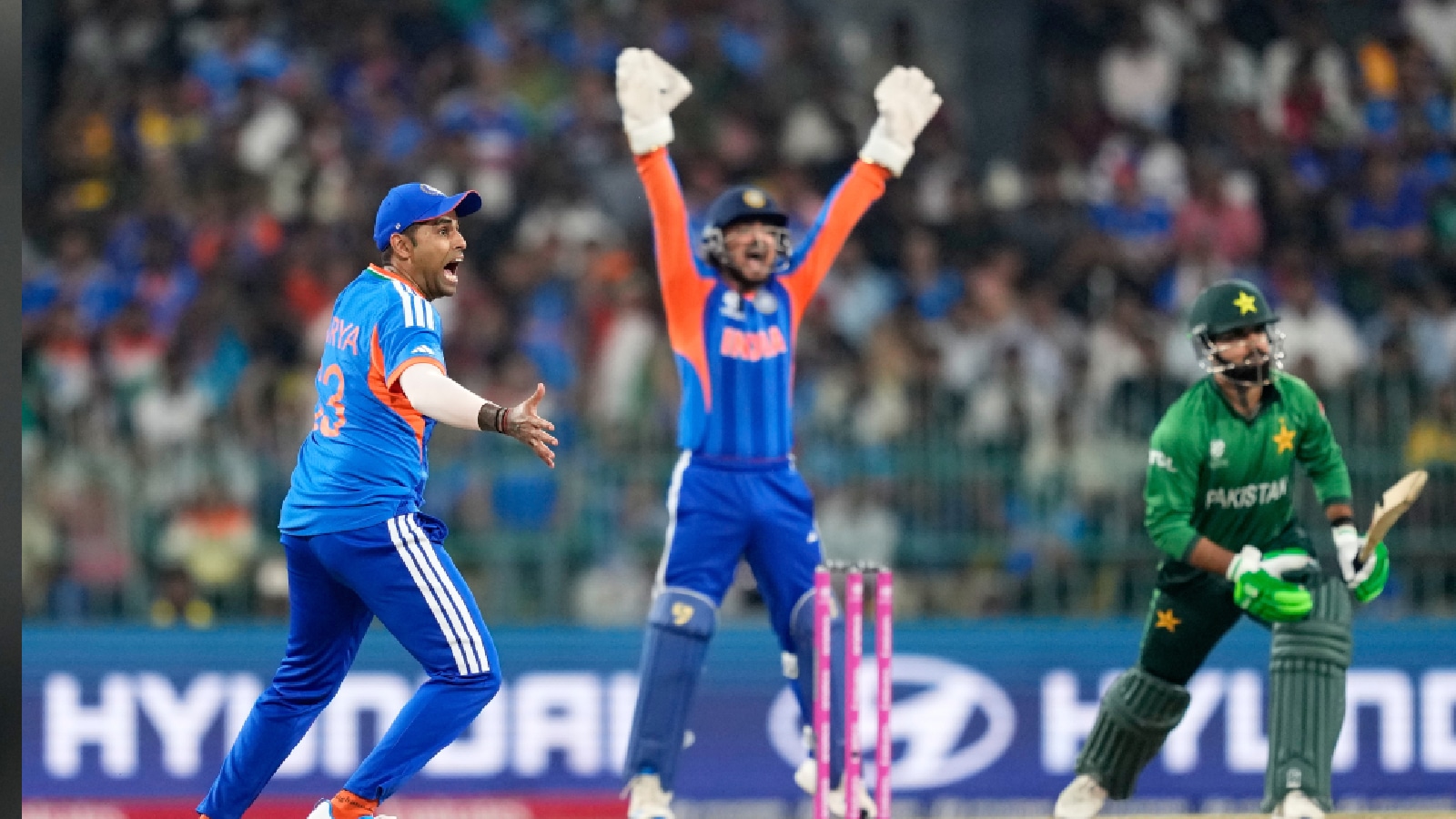
In urban centers, this means increased engagement in sports-related commerce, from merchandise sales to hospitality. Rural Pakistan also experiences this uplift, with communal gatherings to watch matches strengthening social bonds. The team’s structural success on the global stage reflects positively on the nation’s image, potentially attracting further investment and tourism. Consequently, strategic sports performance directly correlates with a surge in national optimism and economic micro-spikes.
The “Forward Path”: A Momentum Shift Awaits
This development represents a Momentum Shift rather than a mere Stabilization Move. While the initial washout presented an unforeseen challenge, the path to the semi-finals remains clearly defined for Pakistan. The situation demands precise execution and strategic calibration in the remaining matches. It forces the team to adopt a proactive, rather than reactive, stance. This focused challenge could serve as a powerful catalyst, propelling the team to perform at its peak and secure its advancement. Therefore, the strategic imperative is clear: optimize performance in the upcoming fixtures against England and Sri Lanka.
Upcoming Fixtures: Calibrated Performance Required
- Pakistan vs. England: February 24, Colombo
- New Zealand vs. Sri Lanka: February 25, Colombo