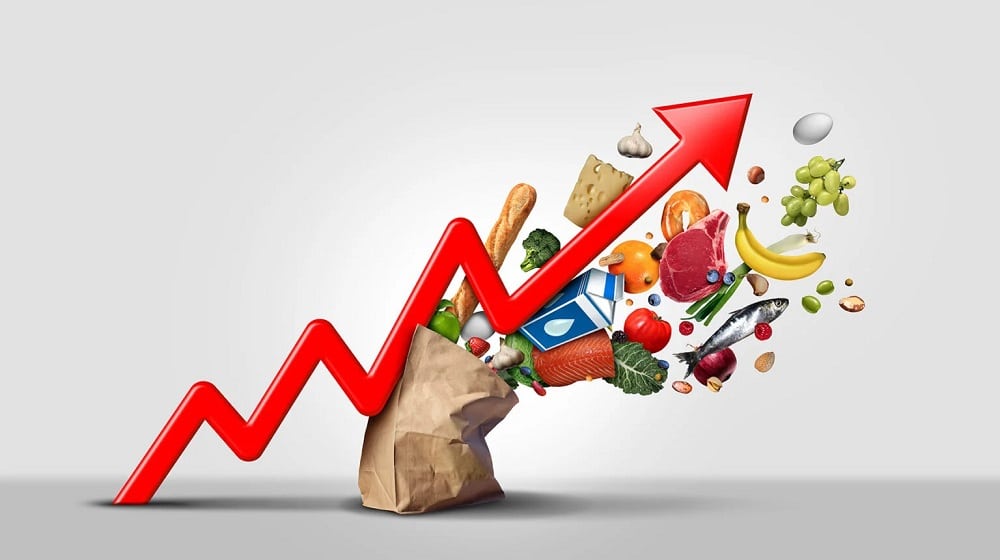
A structural analysis of Pakistan’s economic landscape reveals a significant acceleration in inflation. In February 2026, Pakistan inflation rises by a calibrated 7 percent year-on-year, marking the highest level observed since October 2024. This notable increase from 5.8 percent in the preceding month underscores a critical shift in the national economic baseline, demanding strategic consideration for its broad socio-economic impact across both urban and rural demographics.
The Translation: Unpacking Pakistan’s Inflationary Momentum
The latest data from the Pakistan Bureau of Statistics (PBS) indicates a distinct upward trajectory for the nation’s Consumer Price Index (CPI). Specifically, the annual inflation rate escalated by 7 percent in February 2026, a notable increase from 5.8 percent in January 2026 and a significant leap from just 1.5 percent in February 2025. This progression signifies more than a mere numerical adjustment; it represents a robust inflationary pressure building within the economy. Furthermore, on a month-on-month basis, inflation saw a 0.3 percent increment in February 2026. This is higher than the 0.2 percent increase in the previous month, contrasting sharply with a 0.7 percent decrease observed in February 2025. These figures collectively calibrate the current economic environment as one with accelerated price escalation.

Understanding Core Inflation Metrics
Beyond the headline CPI, specific components provide a more granular view of underlying economic pressures. Core inflation, measured by the Non-Food Non-Energy (NFNE) index for urban areas, experienced an increase. Rural NFNE core inflation, however, maintained stability at 8.3 percent year-on-year in February 2026. This stability in rural core inflation follows an increase from 10.4 percent in February 2025, indicating that inflationary forces have exerted pressure over time. Similarly, the 20 percent weighted trimmed mean inflation, a precise measure of underlying price trends, increased to 5.1 percent in urban areas and 5.6 percent in rural areas year-on-year.
These differentiated metrics are crucial. They highlight that while some sectors might experience moderated price changes, the overall trend points towards a broader increase in the cost of goods and services, affecting diverse segments of the economy.
The Socio-Economic Impact: Calibrating Daily Life
This surge in Pakistan inflation rises has immediate and tangible implications for the daily life of Pakistani citizens. For households, both urban and rural, a 7 percent year-on-year increase translates directly into diminished purchasing power. Consequently, the cost of essential goods—from groceries to utilities—escalates, placing significant strain on family budgets. Students, particularly those from lower and middle-income backgrounds, face increased living expenses, potentially impacting their access to education and resources. Professionals, especially those on fixed incomes, will experience a real-term reduction in their earnings, necessitating adjustments to their financial planning.
In rural Pakistan, where CPI inflation rose by 7.3 percent year-on-year, the impact can be particularly acute. Farmers and agricultural workers often grapple with fluctuating input costs and market prices. This inflationary trend can exacerbate their financial precarity. Urban centers, with their higher concentration of formal sector employees, will also feel the squeeze, as disposable incomes shrink and the aspiration for improved living standards becomes more challenging to attain. Therefore, the strategic management of this inflation is paramount for maintaining societal stability and fostering economic equity.
The Forward Path: A Stabilization Move
This current inflationary acceleration represents a Stabilization Move rather than a distinct Momentum Shift for Pakistan’s economy. While an increase in inflation indicates an active economic dynamic, the primary concern lies in the rate of acceleration and its potential to erode economic gains. A calibrated approach is essential to mitigate adverse effects on purchasing power and investment confidence. The government and monetary authorities must implement targeted policies designed to absorb inflationary pressures while simultaneously fostering an environment conducive to sustained, equitable growth. Structural reforms addressing supply-side constraints and enhancing productivity can serve as a long-term catalyst for stability, ensuring that future economic trajectories are firmly anchored in sustainable progress.