Strategic Economic Calibration: Understanding Pakistan’s Inflation Outlook
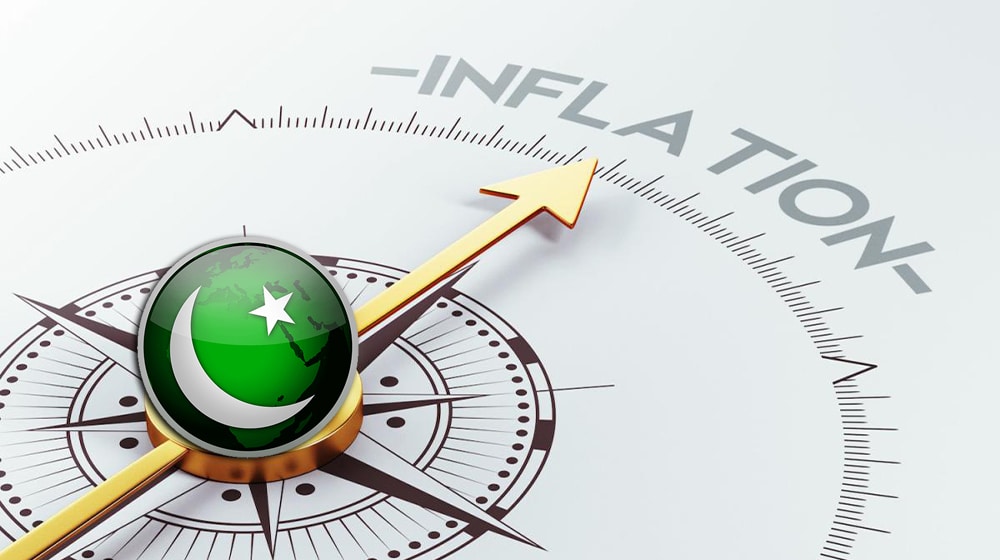
Pakistan’s economic trajectory faces a critical calibration as Pakistan inflation outlook suggests a potential return to double-digit figures starting April. This structural shift is primarily driven by escalating global oil prices, which are directly translating into increased domestic fuel, transport, and electricity costs. Consequently, market analysts project April inflation to approach 10%, reversing the recent disinflation trend and demanding strategic intervention to stabilize the national economy. This development underscores the persistent challenges in maintaining economic equilibrium amidst external shocks.
The Translation: Deconstructing Rising Cost Pressures
The core mechanism driving this inflationary pressure is the sharp increase in international oil prices. This global phenomenon has a calibrated impact on Pakistan’s domestic economy, directly inflating fuel prices. For instance, fuel costs reportedly surged by approximately 25% on average in March. Furthermore, this increase cascades into higher transport expenses, contributing significantly to the monthly rise in inflation. Beyond fuel, electricity prices have intensified household and business cost pressures. A fuel cost adjustment of Rs. 1.63 per unit, now extended to a broader consumer base, has pushed the electricity index higher, reflecting broader inflationary dynamics.
Rising logistics and industrial input costs broaden these pressures, moving inflation beyond staple foods to encompass wider cost-push factors across various sectors. This intricate web of interconnected price increases highlights the systemic vulnerabilities within the economic structure, emphasizing the need for robust policy frameworks.

Socio-Economic Impact: Daily Life and Economic Resilience
How does this change the daily life of a Pakistani citizen? The immediate impact manifests as reduced purchasing power for households, affecting budgets for essential goods and services. Students and young professionals face heightened living costs, potentially constraining their access to education and career opportunities. For urban families, the burden of increased fuel and electricity bills directly strains monthly expenditures. In contrast, rural Pakistan, often reliant on transport for agricultural output and access to markets, experiences amplified operational costs, which can depress incomes and disrupt supply chains.
Businesses, both small and large, contend with rising operational costs, which may lead to higher consumer prices or reduced profitability. Ultimately, this creates a challenging environment where economic resilience is tested across all demographics. The State Bank of Pakistan’s Monetary Policy Committee, with its upcoming meeting on April 27, will be a critical juncture, as its decisions will directly influence the financial landscape for every Pakistani.

The Forward Path: A Stabilization Move for National Advancement
This current economic development represents a Stabilization Move rather than an immediate Momentum Shift. While the return to higher inflation signals a challenge, the proactive analysis by institutions like JS Global Capital Limited and Arif Habib Limited provides a crucial baseline for calibrated policy responses. Sustained high oil prices pose significant macroeconomic risks, threatening to inflate Pakistan’s import bill, strain the current account, and exert renewed pressure on foreign exchange reserves.
Therefore, precise fiscal and monetary strategies are paramount. The central bank’s stance, particularly concerning the policy rate, will be pivotal in mitigating these external pressures and safeguarding the nation’s financial architecture. A disciplined approach, prioritizing long-term systemic efficiency, will be critical for guiding Pakistan towards a more resilient and advanced economic future.