Pakistan Defence Exports: A $60 Billion Opportunity
A recent KASB Securities report reveals an exciting future for Pakistan Defence Exports. The nation could generate an astonishing $60 billion from these exports. Significantly, this pipeline of defence deals is set to become a major economic catalyst for Pakistan between 2026 and 2030. Tracked and potential agreements already total double-digit billions of dollars. Consequently, this projected surge in military exports signals a profound shift in Pakistan’s economic landscape, moving towards high-value manufacturing and strategic industries.
Moreover, the report links this promising outlook to Pakistan’s improved diplomatic standing. This improvement largely stems from the successful “Operation Bunyan e Marsous.” This enhanced international perception directly leads to more robust geostrategic defence engagements and an increasing number of export-driven defence agreements. Thus, it lays the groundwork for substantial economic growth and global influence.
Growing Economic Impact from Pakistan’s Military Exports
Approximately $13 billion in defence deals are currently tracked. Should these orders materialize as expected, they will significantly impact Pakistan’s external economic indicators. Specifically, this influx could boost foreign exchange reserves by 82 percent. This would, therefore, provide a much-needed bolster to the national economy. Furthermore, these exports are crucial for supporting the ambitious $60 billion export target under the “Uraan Pakistan” initiative by 2029.
However, the KASB Securities report identifies substantial upside potential beyond these estimates. Deal structures may evolve, and negotiations continue, meaning final figures could easily surpass initial projections. Defence Minister Khawaja Asif further reinforces this optimistic outlook. He asserts that Pakistani aircraft have undergone rigorous testing and now attract considerable international interest. Consequently, the true economic impact might be even greater.
Key Products and Markets for Pakistan Defence Exports
The Pakistan Defence Exports portfolio is impressively diverse. It encompasses a wide array of sophisticated military hardware. For example, this includes advanced fighter aircraft, naval vessels, armored vehicles, and cutting-edge unmanned systems. Precision-guided munitions are also part of the offerings. Primarily, target markets for these exports include Asia, Africa, and the Middle East. These regions actively seek to diversify their defence procurement and enhance their capabilities.
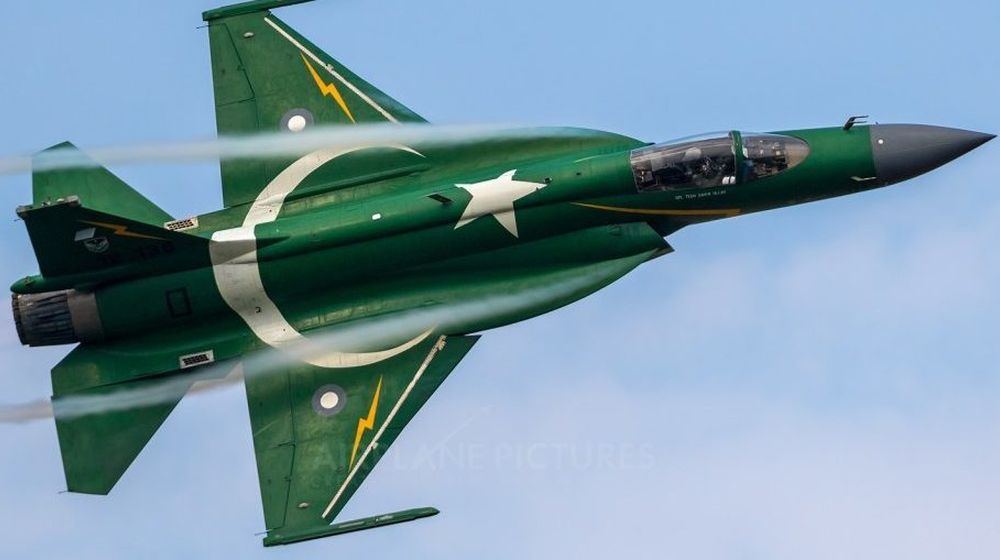
Among numerous offerings, the JF-17 Thunder stands out. This 4.5 generation fighter jet has become a flagship product, drawing strong global interest. Reportedly, several nations have expressed interest in acquiring this formidable aircraft. These include Iran, Sri Lanka, Zimbabwe, Algeria, Ethiopia, Argentina, and Uzbekistan. This widespread interest highlights the JF-17’s competitive edge and Pakistan’s growing reputation as a reliable defence supplier.
Furthermore, several key institutions execute these significant defence exports. These include:
- Pakistan Aeronautical Complex (PAC)
- Pakistan Ordnance Factories (POF)
- Heavy Industries Taxila (HIT)
- Karachi Shipyard and Engineering Works (KSEW)
These entities form the backbone of Pakistan’s defence industrial base. They ensure the production, quality, and timely delivery of sophisticated military equipment to international clients.

Major Defence Deals and Ongoing Negotiations
The JF-17 aircraft is already operational in several countries. Myanmar, for instance, was the first international buyer, operating Block II variants. Nigeria inducted the aircraft in 2021 for counter-insurgency operations. Additionally, Azerbaijan has become a major operator, announcing a substantial $1.6 billion defence deal for these jets during late 2024 and 2025.
Active negotiations during 2025 and 2026 clearly show the ongoing momentum in Pakistan’s defence export drive. Reportedly, Saudi Arabia is discussing converting existing financial support into a significant JF-17 fighter jet deal, potentially worth around $6 billion. Similarly, Libya is negotiating a comprehensive package estimated at approximately $4 billion. This package would include JF-17 jets, Super Mushshak trainers, tanks, naval vessels, and other equipment.
Furthermore, Azerbaijan is seeking additional JF-17 Block III aircraft and training logistics, valued at about $1.6 billion. Sudan is also discussing a package. It includes weapons supply, K-8 light attack aircraft, drones, and air defence systems, worth approximately $1.5 billion. Bangladesh is another potential buyer for JF-17 and Super Mushshak aircraft. The specific value of a potential deal remains to be determined, indicating widespread interest across diverse regions for Pakistan Defence Exports.

Strategic Alliances and Cooperation for Pakistan’s Defence Industry
Defence cooperation between Pakistan and Saudi Arabia has significantly deepened. This follows the Strategic Mutual Defence Agreement signed in September 2025. Importantly, this landmark agreement transformed decades of informal cooperation into a binding security commitment. It solidifies a crucial strategic partnership in the region. The agreement’s scope is extensive, covering critical areas. These include intelligence sharing, joint military exercises, and collaborative defence production. Additionally, it involves capacity building initiatives and technology transfer.
This strategic alliance is set to enhance Pakistan’s regional and international strategic leverage. Concurrently, it opens new avenues for Saudi investment into Pakistan’s defence sector and wider economy. Furthermore, the agreement strategically positions Pakistan within the broader Gulf and Middle East security dynamics. It enables the nation to play a more central role in regional stability.
Interest in Pakistan Defence Exports and capabilities extends beyond existing partnerships. Turkey, for example, has shown interest in joining some collaborative ventures as a third partner. This further expands the potential for multilateral cooperation. Similarly, Jordan intends to deepen military cooperation following high-level engagements in late 2025. This signals a growing network of defence ties for Pakistan.
Economic Transformation and Future Prospects for Pakistan
Successful realization of current defence export projections would transform Pakistan’s economy. The KASB Securities report indicates that total Pakistan Defence Exports could represent an impressive 3.7 percent of the nation’s Gross Domestic Product (GDP). This percentage signifies a momentous structural shift in Pakistan’s export base. It moves significantly towards high-value manufacturing and strategic industries, away from traditional commodity exports.
In conclusion, the projected surge in defence exports merges several powerful elements. These include foreign policy objectives, industrial capability, and significant macroeconomic opportunity for Pakistan. This unique confluence of factors provides a chance for the nation to bolster its economy, enhance its international standing, and secure its strategic interests. However, successful deal execution and maintaining geopolitical stability remain key. These variables will determine the full realization of this immense potential for Pakistan.