

The Committee on Civil Service Reforms Pakistan has proposed sweeping changes, aiming to modernize the nation’s bureaucracy. Consequently, this initiative seeks to make the civil service more efficient, performance-driven, and accountable. Chaired by Minister for Planning Ahsan Iqbal, the committee meticulously reviewed various human resource models. Specifically, they examined practices from the Pakistan Army, the corporate sector, and international benchmarks. Ultimately, their findings confirmed that the existing civil service structure is outdated, struggling to meet contemporary governance challenges effectively.
Embracing Army-Inspired Reforms for Civil Service
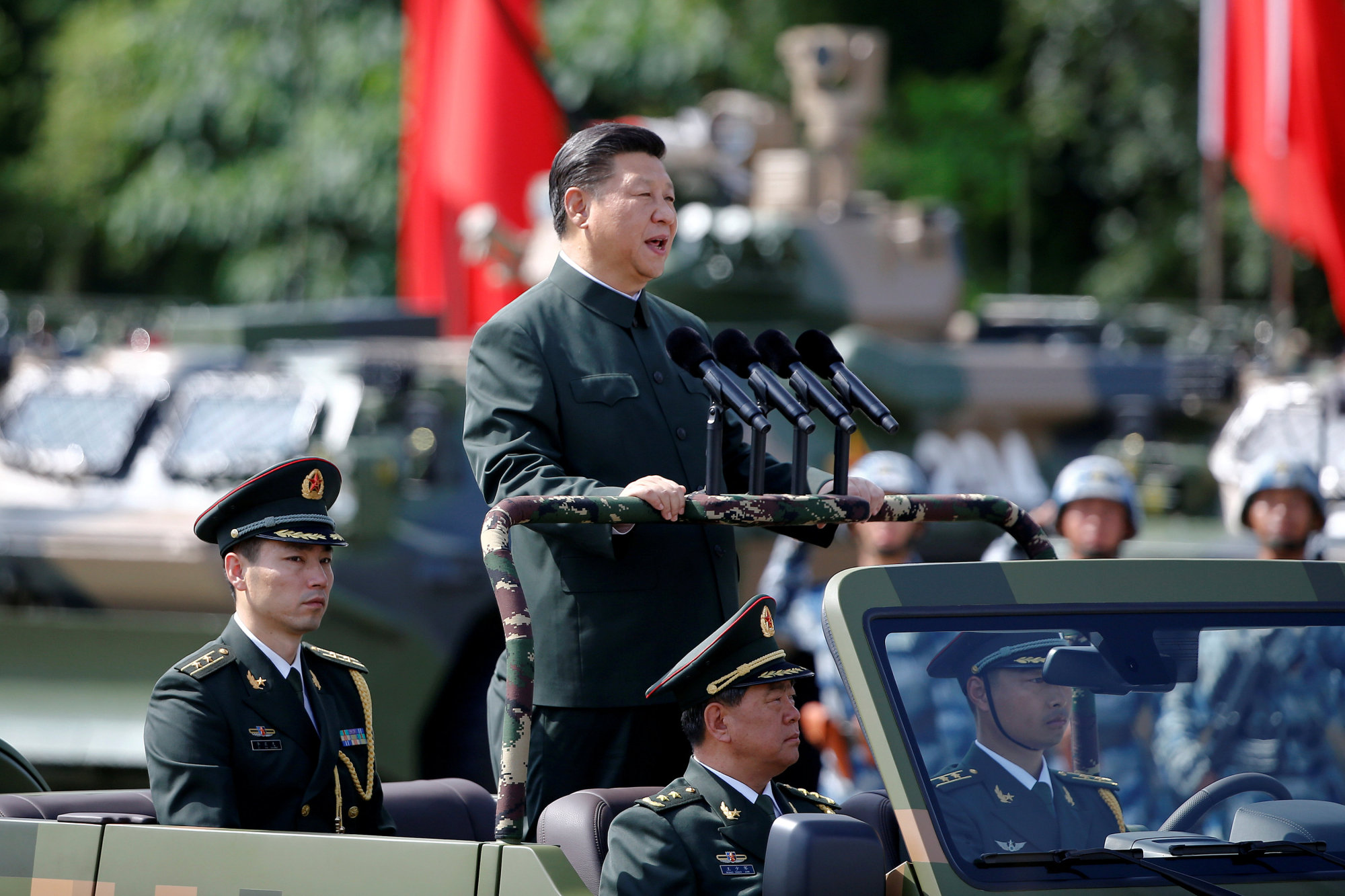
The committee extensively studied the Pakistan Army’s robust promotion and evaluation system. Significantly, they found it to be highly structured and entirely merit-based. In contrast, many civil service officers often anticipate automatic promotions. The Army, however, adheres to strict performance ceilings and competitive advancement. Based on this exemplary model, the committee recommended major reforms. These cover crucial areas such as recruitment, training, promotions, and comprehensive performance evaluation within the Civil Service Reforms Pakistan framework.
Key Recommendations for Bureaucracy Modernization
Objective Promotions and Performance Evaluation
The committee proposed that civil service promotion boards must assess officers objectively. Furthermore, these boards should actively interact with reporting officers before finalizing decisions. A new, more transparent three-tier rating system for performance evaluation was also suggested. Moreover, exam-based selection is now considered crucial for senior management courses, including MCMC, SMC, and NMC. Subsequently, officers who fail to qualify after three attempts may face early retirement, ensuring a high standard of leadership.

Enhanced Training Programs
Training reforms represent another vital component of the overall proposal. The committee specifically recommended longer and more specialized training programs. Notably, at least 5% of the curriculum should focus on highly domain-specific skills. Consequently, this will equip officers with the specialized expertise required for modern governance challenges.
Corporate Sector Insights and KPIs
Drawing valuable insights from the corporate sector, the committee emphasized linking promotions and career progression directly to measurable Key Performance Indicators (KPIs). Additionally, they recommended comprehensive 360-degree evaluations, transparent performance reviews, and robust succession planning. These measures are designed to foster a more professional, accountable, and results-oriented environment within the bureaucracy.
Ultimately, these extensive reforms aim to forge a professional, merit-based civil service. This will undoubtedly deliver better governance and improved public services across Pakistan. The government is expected to review and implement these significant recommendations in phased stages, ensuring a smooth transition.








