

Pakistani Student Wins Global Award for Transforming Banana Waste into Eco-Friendly Fiber
A talented student from Balochistan has achieved international acclaim, developing a groundbreaking method to create natural fiber from discarded banana stems. Mohammad Sarfraz, a dedicated researcher at BUITEMS, recently secured the prestigious Discover Natural Fiber Initiative (DNFI) Award. This global recognition highlights Pakistan’s burgeoning potential in green innovation, particularly in banana waste fiber production.
The competition, held at the Heimtextil International Exhibition in Frankfurt, Germany, attracted over a thousand research institutions and companies. Sarfraz’s project stood out by transforming agricultural waste into high-quality, sustainable fiber. Consequently, his innovation earned him top honors, showcasing a significant step forward in sustainable resource utilization.
Recognizing Dedication and Global Excellence in Sustainable Textiles

Sarfraz humbly dedicated his award to the teachers and youth of Balochistan. He revealed that he invested four years into researching the intricate process of extracting and processing this unique fiber. Furthermore, he expressed immense pride in successfully competing against projects from leading European institutions, proving Pakistani ingenuity on a global stage.
Dr. Mohammad Qasim, Head of Textile Engineering at BUITEMS and Sarfraz’s supervisor, lauded this extraordinary achievement. He affirmed that Balochistan’s youth can indeed compete internationally when provided with suitable opportunities. Therefore, this award serves as a powerful testament to local talent and potential in sustainable textile innovation.
The Innovative Process: From Waste to High-Quality Banana Waste Fiber
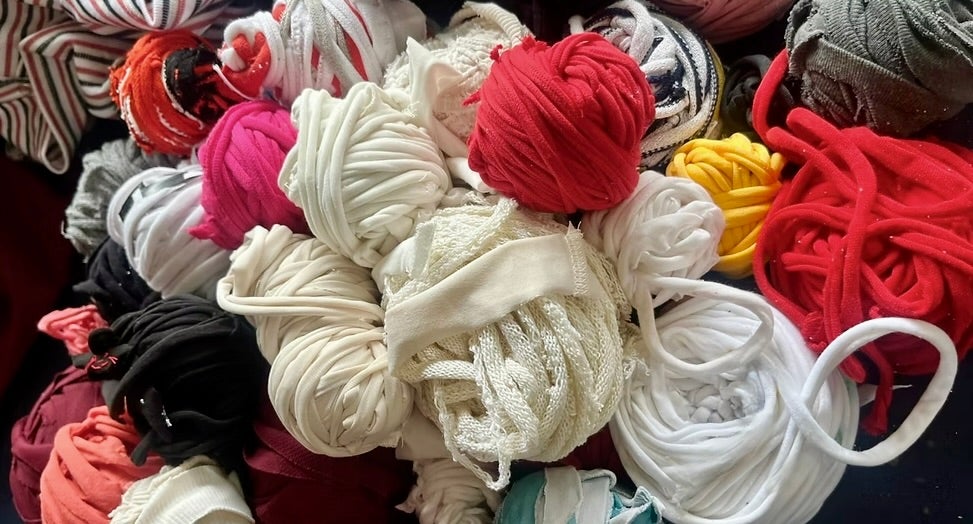
Sarfraz’s project, centered on developing high-quality banana waste fiber, encompasses three critical stages:
- Fiber Extraction: Initially, fiber is meticulously extracted from banana waste, a process requiring precision and innovative techniques.
- Yarn and Composites: Subsequently, this raw fiber is converted into versatile yarn and robust composites, preparing it for diverse applications.
- Fabric and Product Production: Finally, the yarn and composites are utilized to produce sustainable fabrics and various other eco-friendly products.
Driving Economic Growth and Global Partnerships with Pakistani Innovation
Industrial partner Mohammad Fawwad Supriya confirmed significant international interest in this pioneering innovation. European companies, recognizing its potential, have already expressed keen interest in collaboration. Remarkably, a German firm has formalized a partnership agreement, committing to manufacture and market products derived from Pakistani banana waste fiber.
Fawwad emphasized that this initiative promises to create substantial job opportunities and alleviate poverty in regions like Sindh and Balochistan. Currently, fiber production has commenced in Sukkur and Lasbela. Looking ahead, the next phase aims to engage an impressive 400,000 households, significantly boosting local economies.
Sarfraz has ingeniously designed low-cost machines locally to facilitate large-scale production. A unit comprising two machines costs approximately Rs7-8 million. Impressively, this setup can yield up to 1,000 kilograms of fiber per acre of banana waste, demonstrating remarkable efficiency and scalability.
Environmental Impact and Future Potential of Sustainable Fiber
Experts estimate that Pakistan possesses the capacity to produce nearly 500 million kilograms of natural fiber annually from banana waste. This volume could generate a remarkable market value of up to $1 billion globally. Consequently, this sustainable venture offers significant economic advantages.
Beyond economic benefits, the project actively champions environmental conservation. It drastically reduces the burning and dumping of banana waste, practices that currently contribute to air and water pollution. Therefore, Sarfraz’s achievement underscores how local talent and innovation can transform agricultural waste into both economic opportunity and sustainable development.








