
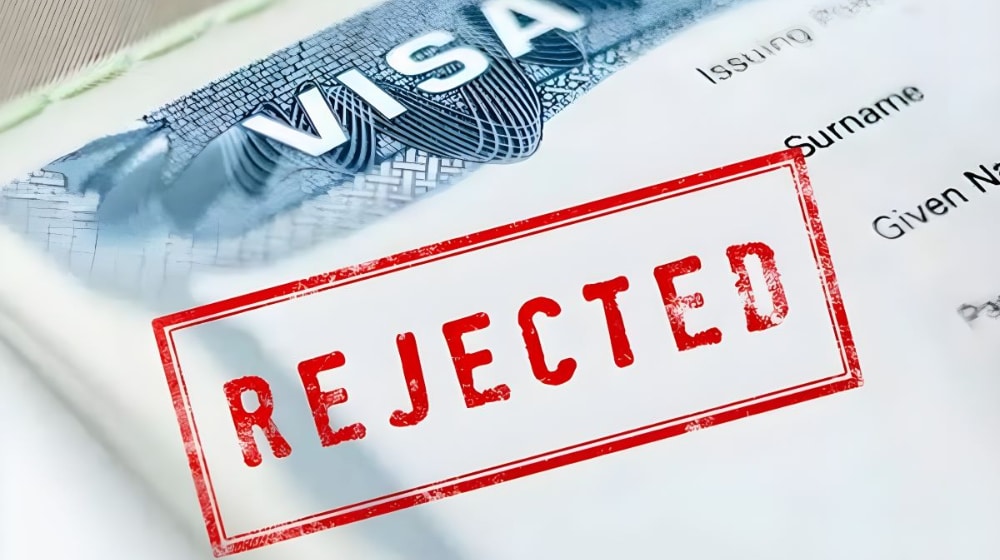
A strategic parliamentary delegation from Pakistan recently engaged US lawmakers to advocate for the removal of US visa restrictions impacting Pakistani citizens. This high-level interaction aims to dismantle classifications identified as significant impediments to robust bilateral relations. The objective is to enhance systemic efficiency in diplomatic and economic engagement, fostering a calibrated partnership between the two nations.
The Translation: Deconstructing Visa Classification Impediments
The delegation, spearheaded by Senators Saleem H. Mandviwalla and Rana Mahmoodul Hassan, initiated discussions in Washington to fortify parliamentary channels. Their primary focus was Pakistan’s inclusion on a list of 75 nations whose citizens encounter stringent vetting for US visas. Senator Mandviwalla explicitly labeled this listing a critical barrier, expressing an optimistic outlook for its swift revision. Furthermore, he emphasized the guidance from the US ambassador in Islamabad, underscoring the necessity to clarify that Pakistani Americans are not a burden on social welfare programs. Data from Dr. Gholam Mujtaba of the Pakistan Policy Institute USA confirms the Pakistani diaspora consistently ranks among the ten most prosperous communities within the United States, providing a baseline for reframing perceptions.
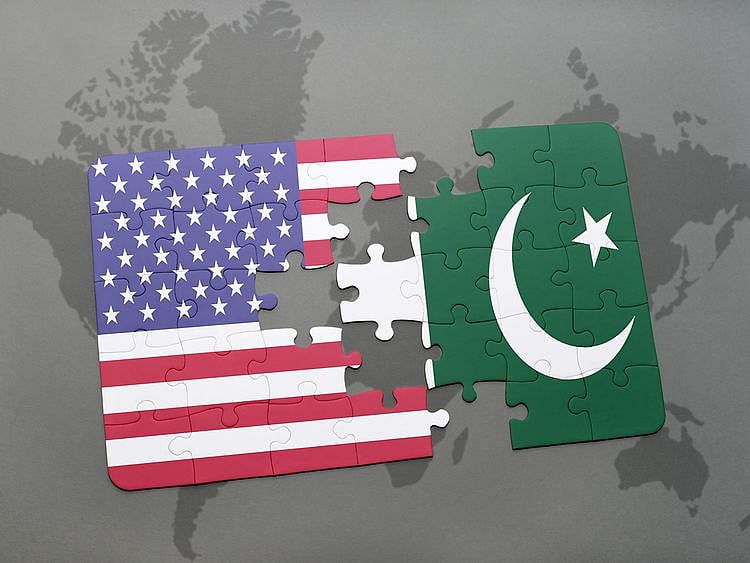
The Socio-Economic Impact: Streamlining Opportunities for Pakistani Citizens
The current US visa restrictions directly affect Pakistani students, professionals, and families seeking educational, economic, or familial opportunities in the United States. For urban professionals, eased access could unlock advanced training and career progression, catalyzing skill transfer back to Pakistan. Consequently, rural households with family members abroad might experience more predictable and less stressful processes for remittances and family reunification. A calibrated visa policy can streamline talent flow, fostering direct economic benefits through increased trade, investment, and academic exchange. This structural adjustment would remove a significant psychological and logistical hurdle, enabling greater participation in the global economy for countless Pakistanis.
The “Forward Path”: A Strategic Momentum Shift
This diplomatic initiative represents a decisive “Momentum Shift” towards a more equitable and efficient bilateral relationship. The formation of a Pakistan Strategic Bipartisan Caucus, as agreed by Rep. Al Green, signifies a structured commitment to sustained legislative cooperation. Discussions extended beyond immigration, encompassing critical areas such as economic cooperation, counterterrorism strategies, and regional stability. This multi-faceted engagement validates the importance of parliamentary diplomacy as a crucial complement to executive-level interactions, driving progress across various sectors. The precision of this parliamentary outreach is a strong indicator of a strategic move to unlock new frontiers for Pakistan’s national advancement.

Ensuring Diplomatic Precision and Bilateral Synergy
The delegation meticulously conveyed that their visit maintained a non-political stance, distinct from recent lobbying activities. Senator Hassan underscored the focus on “constructive engagement,” signaling a commitment to objective, long-term strategic benefits rather than transient political interests. This disciplined approach is fundamental for building a resilient framework for Pakistan US Visas policies and broader bilateral synergy. The aim is to build a baseline of trust and understanding that can withstand political fluctuations, ensuring a predictable and supportive environment for collaboration. This structural dialogue is essential for both nations.









