Ensuring Seamless Travel: UAE Transit Visa Clarity
Pakistan’s Ambassador to the UAE, Shafqat Ali Khan, has strategically refuted circulating claims regarding a UAE transit visa suspension for Pakistani nationals. Specifically, reports suggesting a halt in 48-hour and 96-hour transit visas, stemming from a misattributed online screenshot, are demonstrably false. This precise clarification ensures operational continuity for thousands of Pakistani travelers planning short stopovers, preventing unwarranted disruption to their meticulously planned itineraries.
The initial concern arose from a widely shared image, reportedly originating from a VFS Global information page associated with Emirates. This screenshot incorrectly indicated a temporary suspension of 48-hour and 96-hour transit visas for Pakistani nationals, advising applicants against applying. Consequently, this message triggered considerable anxiety among travelers relying on short layovers in the UAE.
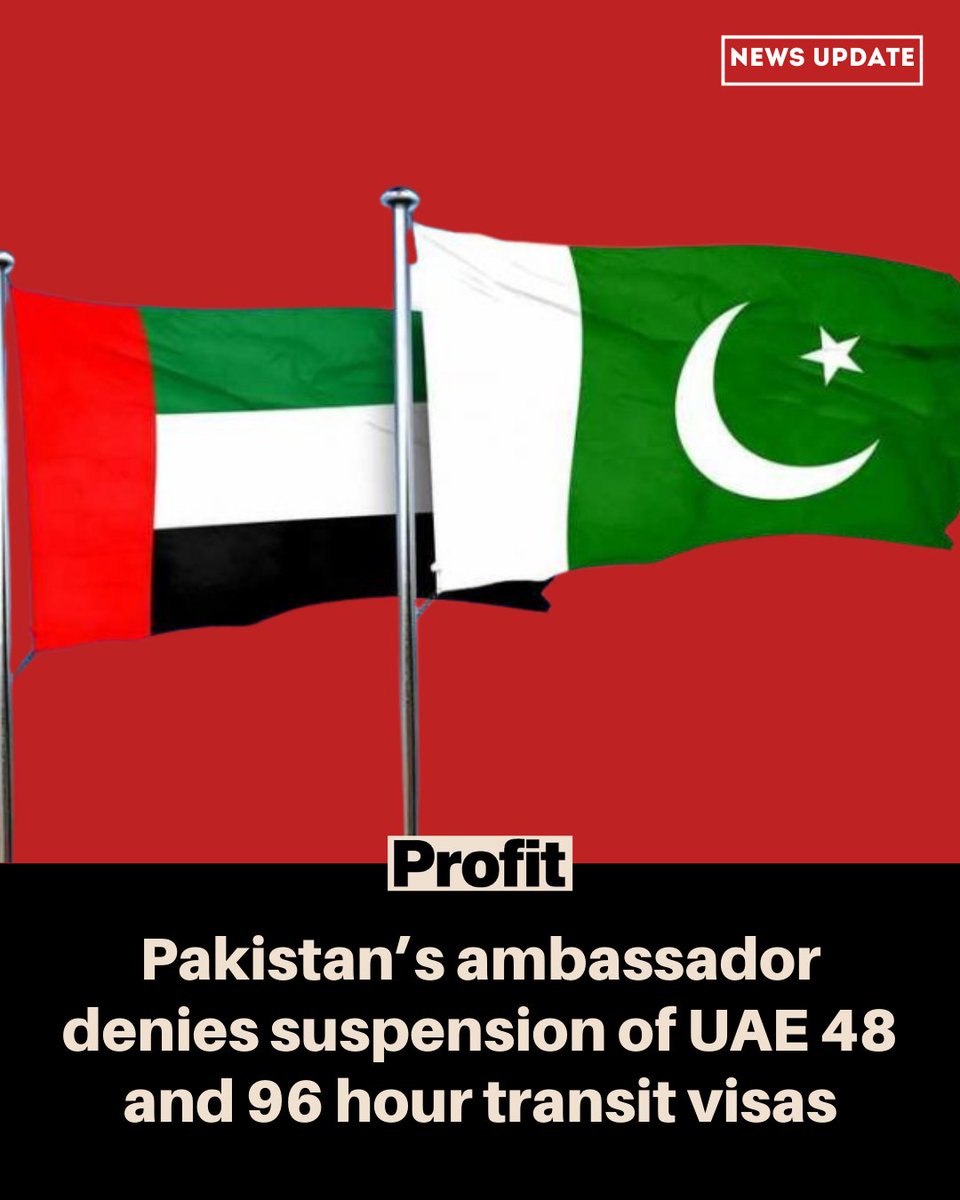
Responding to immediate media inquiries, Ambassador Khan unequivocally stated that the reports circulating across social media platforms were “not true.” Furthermore, his statement provides a critical baseline for understanding current travel regulations. According to established UAE guidelines, UAE-based airlines, including Emirates and Etihad Airways, sponsor 48-hour and 96-hour transit visas. These essential travel documents require pre-approval before arrival in the country.
Ultimately, these visas cater to travelers ineligible for visa-on-arrival or visa-free entry, particularly those intending to exit the airport during their layover. Therefore, the ambassador’s robust clarification confirms that transit visa processing for Pakistani nationals remains robustly in place, despite recent online misinformation.
The Translation: Deconstructing Transit Visa Dynamics
A UAE transit visa functions as a critical logistical instrument for international travel. It allows non-visa-exempt travelers from Pakistan to briefly enter the UAE during a layover, typically for 48 or 96 hours. Crucially, these are not standard tourist visas; rather, they are sponsored and managed directly by UAE airlines to facilitate seamless connections and short explorations of the emirates. The recent misinformation created a structural vulnerability in perceived travel security, directly impacting planning efficiency.

Understanding this distinction is paramount. When reports of suspension emerge, it directly affects flight booking strategies, particularly for individuals using the UAE as a global aviation hub. The ambassador’s intervention therefore served to re-establish a calibrated understanding of the established protocols, ensuring that the system’s integrity remains uncompromised.
Socio-Economic Impact: Calibrating Pakistani Mobility
This clarification profoundly impacts the daily lives of countless Pakistani citizens. For instance, students pursuing education abroad often utilize the UAE as a transit point, making short stopovers to connect flights or visit relatives. Professionals traveling for business or employment opportunities similarly rely on these transit options for efficient global mobility. Consequently, a perceived suspension would introduce significant logistical hurdles, increasing travel costs and extending journey times.

For households across urban and rural Pakistan, where international travel for work, education, or family visits is a common occurrence, the assurance regarding UAE transit visa availability provides immense relief. It safeguards existing travel plans and prevents economic strain associated with re-routing or delaying essential journeys. This policy continuity underpins the broader socio-economic stability linked to international remittances and professional exchanges.
The Forward Path: A Stabilization Move
This development represents a Stabilization Move rather than a “Momentum Shift.” The ambassador’s prompt and decisive clarification did not introduce a new policy or accelerate an existing one; instead, it reaffirmed the established operational baseline. This act of precise communication prevented a potential crisis of confidence among travelers and ensured the continued smooth functioning of an essential travel corridor. It underscores the critical role of official diplomatic channels in countering misinformation and preserving systemic efficiency.

Moving forward, the incident highlights the imperative for robust official communication mechanisms to preemptively address and swiftly counteract the spread of unverified information online. Such strategic responses are fundamental to maintaining public trust and ensuring that critical travel infrastructure operates without interruption. This ensures a predictable and efficient global movement network for Pakistani citizens.