Calibrating National Trajectory: Pakistan Team Return Navigates Global Instability
The Pakistan team return from their South Africa tour faces strategic delays, a direct consequence of ongoing cross-border tensions and subsequent airspace closures in the Middle East. This situation necessitates adaptive logistical planning, impacting the national women’s cricket squad’s scheduled Monday departure from Durban via Dubai. Consequently, the team’s return journey awaits formal confirmation of resumed flight operations, underscoring the calibrated responses required amidst global geopolitical shifts.
 The Translation: Operational Logistics Under Geopolitical Pressure
 The Translation: Operational Logistics Under Geopolitical Pressure
Fundamentally, the “limbo” status refers to a state of indefinite suspension in the team’s travel plans. Specifically, geopolitical volatility in the Middle East has prompted the closure of key regional airspaces and airports. This structural disruption means the Pakistan Cricket Board (PCB) cannot secure a viable flight path for the team’s return. Therefore, the team’s extension of stay in Durban is a necessary baseline measure until the operational environment stabilizes and flight corridors reopen. This situation highlights how external, non-sporting factors can critically impact carefully planned international events and schedules.
The Socio-Economic Impact: Cascading Effects on Citizens and Aspiring Professionals
 The Socio-Economic Impact: Cascading Effects on Citizens and Aspiring Professionals
This travel delay extends beyond mere inconvenience for the athletes; it projects a ripple effect into the daily lives of Pakistani citizens. Students aspiring for international careers, professionals engaged in global commerce, and families planning essential travel face similar anxieties due to Middle East airspace uncertainties. The situation underscores Pakistan’s interconnectedness with global stability, particularly concerning air travel. Furthermore, for young women across urban and rural Pakistan, the national team serves as a powerful symbol of ambition and achievement. Any disruption to their planned Pakistan team return can, consequently, introduce an element of uncertainty into their aspirations, influencing engagement with sports and broader international opportunities.
The “Forward Path”: A Stabilization Move Amidst Geopolitical Flux
 The “Forward Path”: A Stabilization Move Amidst Geopolitical Flux
From an analytical perspective, this development represents a “Stabilization Move.” It is not a fundamental shift in Pakistan’s sporting trajectory but rather a reactive measure to external geopolitical pressures. The strategic decision to delay the team’s departure prioritizes safety and logistical precision over adherence to a rigid schedule. However, it also highlights a critical vulnerability in global international sports travel and emphasizes the imperative for robust contingency planning. Pakistan must continue to develop resilient travel protocols, ensuring the well-being of its national assets while mitigating disruptions from unforeseen global events. This disciplined approach safeguards national interests effectively.
Optimized Tour Conclusion: Performance Metrics and Future Projections
Despite the current travel complexities, the Pakistan women’s cricket team concluded their white-ball tour of South Africa with a strong performance. While the hosts secured both the T20I and ODI series with a 2-1 victory each, Pakistan demonstrated significant progress in the final match. The team’s final South Africa tour logistics culminated in a commanding 119-run win in the third ODI at Kingsmead, Durban.
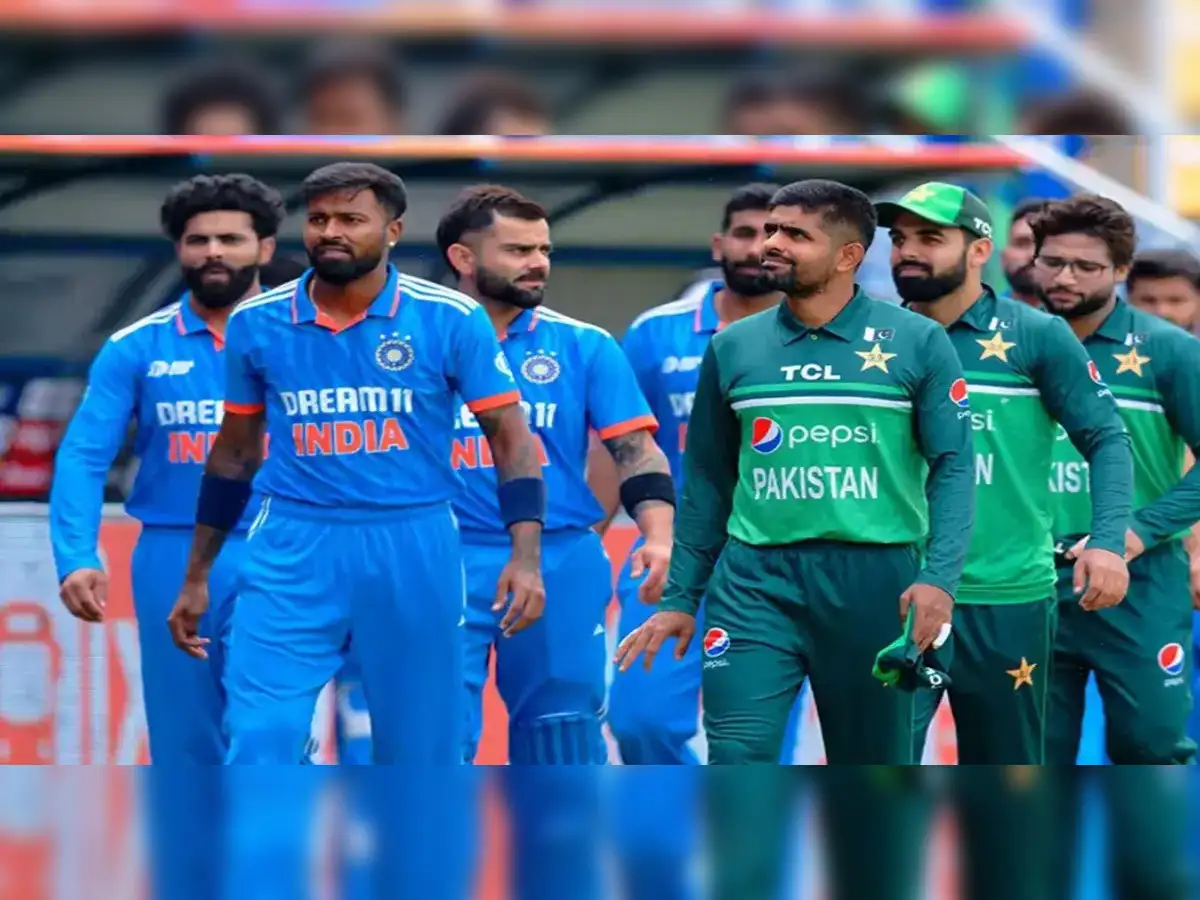
This decisive victory showcased the team’s evolving capabilities. Key highlights from their final match performance include:
- Formidable Batting: The Green Shirts posted a robust total of 306/8 in their 50 overs, a testament to their improved offensive strategy.
- Anchoring Half-Centuries: Crucial contributions came from Sadaf Shamas and captain Fatima Sana, whose half-centuries provided structural stability to the innings.
- Collective Bowling Effort: Pakistan’s bowlers delivered a precision performance, systematically dismissing South Africa for 187 runs in just 36.2 overs, securing a significant win.
Such performances are vital catalysts for national sports development, even as the team navigates the challenges of their Pakistan team return.