
Pakistan’s Economic Trajectory: Charting a Prosperous Future
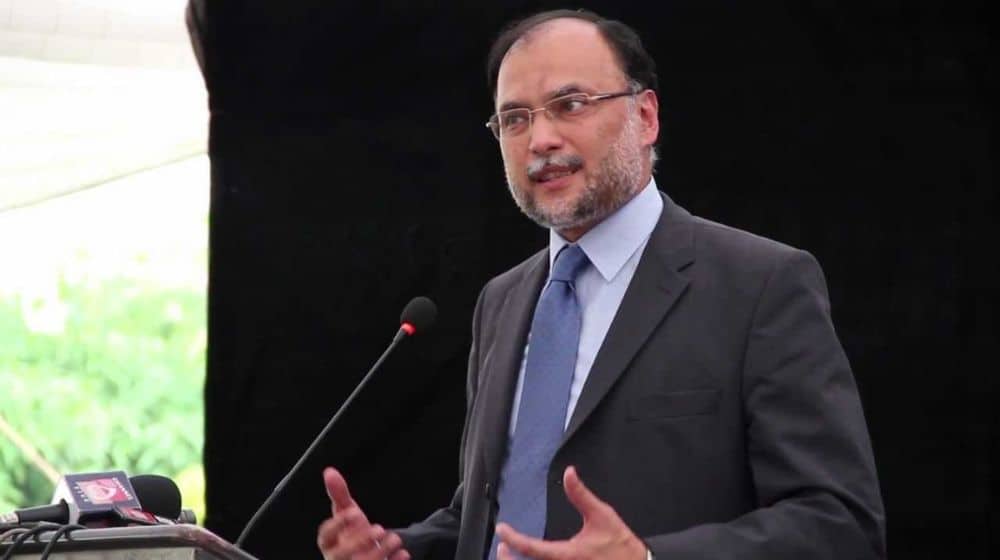
Federal Minister for Planning and Development, Ahsan Iqbal, has strategically declared Pakistan’s precise trajectory towards becoming a trillion-dollar economy by 2035. This architectural vision, underscored by significant reforms and robust macroeconomic indicators, establishes a clear baseline for national advancement. Furthermore, the nation is actively implementing systemic changes to enhance transparency, control tax evasion, and foster an environment conducive to sustainable economic growth.
The Translation: Calibrated Reforms for Economic Efficiency
The government’s commitment to structural reforms spans multiple critical sectors. Specifically, enhanced tax administration, accelerated technology adoption, and the widespread promotion of digital systems are directly contributing to heightened transparency. Consequently, these precision-engineered interventions are curtailing tax evasion, improving the overall integrity of Pakistan’s financial ecosystem. The Minister also addressed public perceptions of corruption, highlighting a statistical shift from an assumed 65 percent widespread bribery rate to a surveyed actual rate closer to 27 percent. This data-driven recalibration provides a more accurate understanding of current systemic challenges and ongoing improvements.
Socio-Economic Impact: Uplifting Pakistani Citizens
How do these advancements tangibly alter the daily lives of Pakistani citizens? Firstly, increased tax revenue and efficient development spending, as seen in the Public Sector Development Program (PSDP), directly translate into improved infrastructure and social services. This means better roads for urban commuters, enhanced educational facilities for students, and critical public health initiatives reaching rural households. The generation of 73,000 new employment opportunities through PSDP projects provides direct economic relief and future prospects for professionals and young graduates. Moreover, a stable, growing economy fosters an environment where families experience reduced inflation, increasing their purchasing power and economic security. The strategic expansion of Ramazan relief to 1.7 million families, alongside anti-profiteering measures, directly safeguards vulnerable households, ensuring equitable access to essential goods.
- Students: Access to better educational facilities funded by increased development spending.
- Professionals: New employment opportunities in various sectors, contributing to career growth.
- Households: Reduced inflation enhances purchasing power, while social programs provide essential support.
Macroeconomic Indicators: A Catalyst for Pakistan’s Economic Growth
Minister Iqbal emphasized the critical role of positive thinking in attracting global investors, substantiating this perspective with encouraging macroeconomic data. In a precise analysis, average inflation has demonstrably fallen from 6.5 percent to 5.2 percent within seven months, signaling calibrated economic stability. Furthermore, tax revenue has surged to Rs. 7.2 trillion, reflecting enhanced collection efficiency. Exports experienced a robust 3.7 percent rise in January, reaching $3.1 billion, showcasing Pakistan’s expanding global trade footprint. Additionally, remittances grew by a significant 10.5 percent in six months, escalating from $17.8 billion to $19.7 billion. These structural economic improvements collectively present a compelling narrative for international investment, reinforcing Pakistan’s fiscal resilience.
The Forward Path: A Momentum Shift for National Advancement
This development undeniably represents a Momentum Shift for Pakistan. The data indicates not merely maintenance of the economic status quo, but a deliberate and effective acceleration towards national advancement. International financial institutions like the IMF, World Bank, and ADB, alongside global rating agencies, are now acknowledging Pakistan’s economic progress, which serves as an external validation of the nation’s strategic direction. The proactive approach to social initiatives, such as the National Mother and Child Care Conference addressing child stunting, demonstrates a holistic vision extending beyond pure economic metrics to fundamental human development. This integrated strategy, coupled with a robust 6 percent growth in the industrial sector, positions the nation on a calibrated trajectory for sustained growth and transformative impact. The vision for a Pakistan trillion-dollar economy is now strategically actionable.








