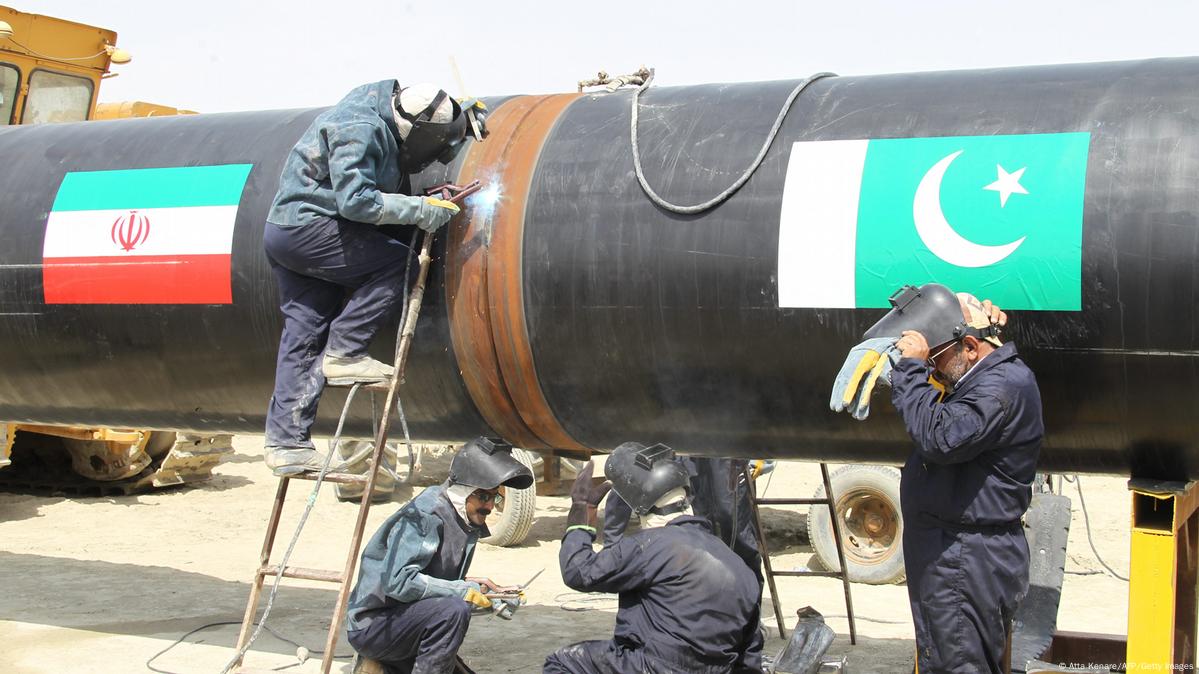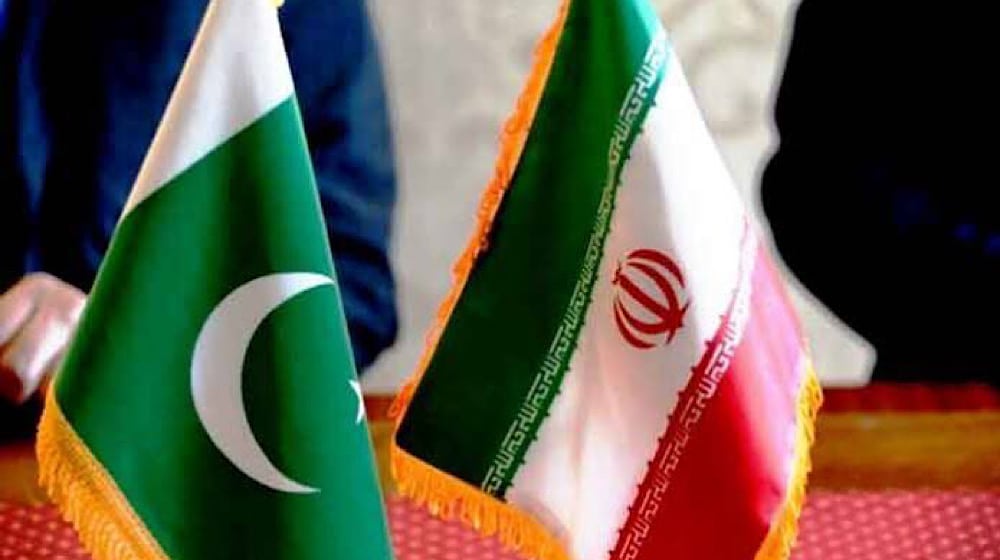
Pakistan is actively seeking a significant Pakistan Iran Pipeline Delay, requesting a fresh 10-year extension from Tehran until 2035 for the Iran–Pakistan (IP) gas pipeline. This critical move comes as the nation faces a potential $18 billion penalty in international arbitration, primarily due to ongoing US sanctions against Iran. Consequently, the federal government is vigorously contesting arbitration proceedings, which Iran initiated before the Paris-based Court of Arbitration under French law. Furthermore, Pakistan is pursuing extensive diplomatic efforts to achieve an out-of-court settlement, aiming to mitigate its financial exposure.
Navigating the Pakistan Iran Pipeline Delay Challenge
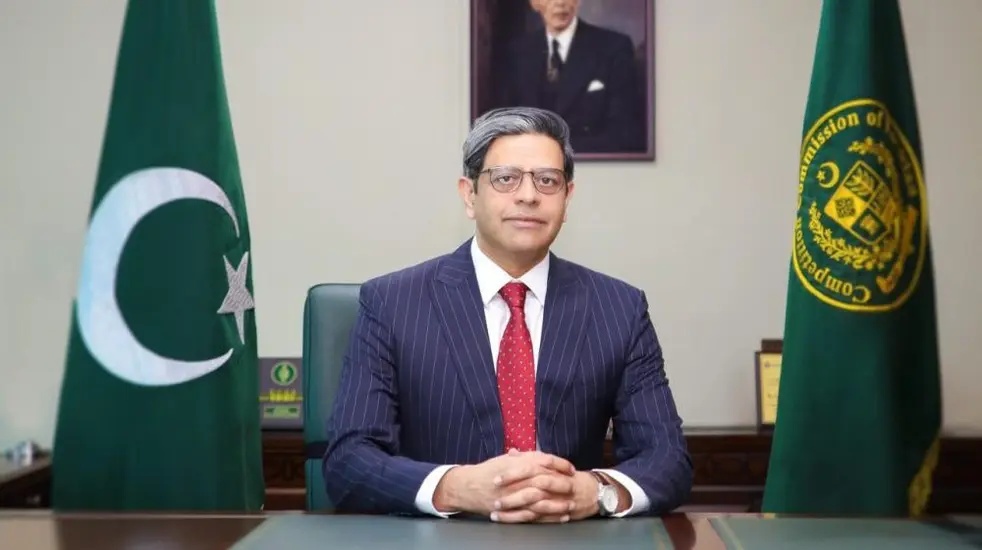
A Ministerial Oversight Committee (MoC), led by Deputy Prime Minister Ishaq Dar, diligently reviews various legal and diplomatic options. The committee’s primary objective is to limit Pakistan’s potential financial liabilities. Importantly, Iran formally launched arbitration proceedings in September 2024, asserting that Pakistan failed to construct its designated section of the pipeline, despite receiving multiple deadline extensions. Therefore, Iran seeks substantial damages totaling $18 billion under the Gas Sales Purchase Agreement (GSPA).

Legal Battles and Diplomatic Pathways
Pakistan’s legal defense firmly posits that international sanctions imposed on Iran rendered the project’s execution impossible within the previously extended 180-day deadline. Experts anticipate the arbitration court’s decision will likely arrive between 2027 and 2028. Simultaneously, parallel diplomatic engagements are actively underway to negotiate a mutually agreeable settlement outside the formal legal process. This dual approach underscores the complexity of the situation and highlights the urgency for a viable resolution.

The Financial Stakes for Pakistan
The potential $18 billion penalty represents a significant financial burden for Pakistan. This substantial sum highlights the urgent need for a strategic resolution, whether through robust legal defense or pragmatic diplomatic negotiation. Moreover, the Federal Minister for Petroleum and Natural Resources has confirmed the MoC’s rigorous examination of multiple options. Ultimately, legal proceedings continue, but a definitive diplomatic breakthrough has not yet materialized, keeping the nation on edge.

Future Outlook for the Pakistan Iran Pipeline Delay
Addressing the challenges of the Pakistan Iran Pipeline Delay requires careful consideration of geopolitical factors, economic implications, and energy security. Islamabad must balance its international obligations with its national interests, while also exploring alternative solutions. Furthermore, securing diverse energy sources and strengthening regional trade ties could offer long-term stability and resilience. The outcome of these ongoing negotiations will undoubtedly shape Pakistan’s energy future for years to come.