
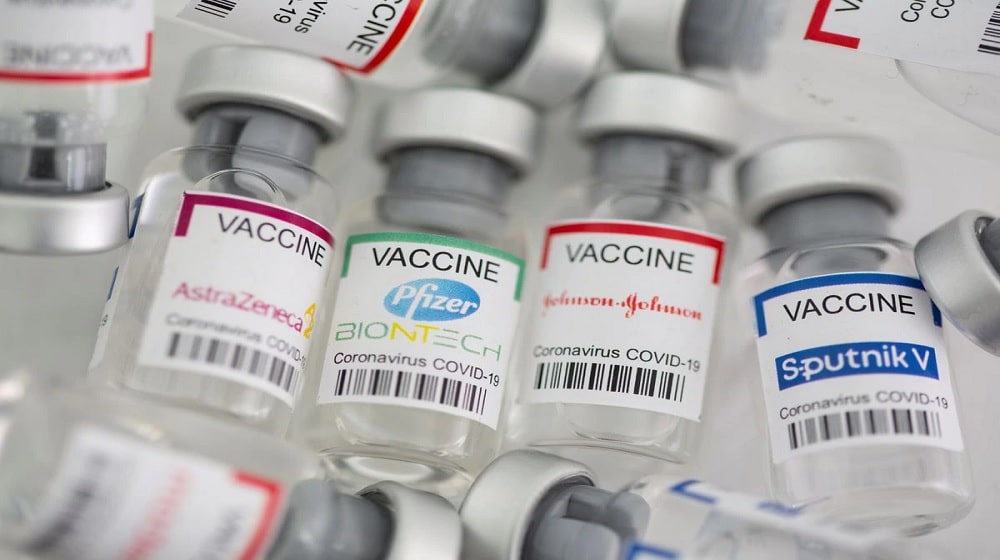
Pakistan is making a significant move to strengthen its healthcare sector. The government has finalized a draft national policy to aggressively promote local vaccine production. This ambitious plan offers a 10-year package of financial incentives and tax exemptions. Consequently, it aims to attract crucial investment and significantly reduce Pakistan’s growing reliance on imported vaccines. Official sources confirm this strategic shift, highlighting a proactive approach to public health.
Currently, Pakistan imports vaccines worth approximately $34 million annually. Projections indicate this figure could skyrocket to $1.2 billion between 2030 and 2035 if domestic manufacturing does not expand. Therefore, developing local production capabilities is not merely an economic choice but a national imperative.
Why Local Vaccine Production is Crucial for Pakistan
The draft policy elevates vaccine manufacturing to a national health security priority. Pakistan faces unique challenges, including rapid population growth and extensive public health needs. Annually, around seven million children are born across the country, making routine vaccination programs against prevalent diseases absolutely essential. Moreover, strengthening our domestic capacity ensures timely and affordable access to life-saving immunizations.

The policy specifically addresses the critical need for safeguarding public health. Diseases like hepatitis, malaria, and dengue require constant vigilance and robust vaccination efforts. Promoting local production guarantees a stable supply chain for these vital interventions. Furthermore, it safeguards the nation against future health crises by building self-sufficiency.
Unlocking Investment: Key Incentives for Manufacturers
To foster a thriving domestic vaccine industry, the government proposes a comprehensive concessional package. This includes significant relief and protection for manufacturers. Ultimately, these measures aim to create an attractive environment for both local and international investors.
Financial Relief and Tax Exemptions
- Corporate Tax Relief: Vaccine manufacturing companies will benefit from substantial reductions in corporate taxes.
- Customs Duty & Sales Tax Exemptions: Essential machinery and equipment required for production will be exempt from customs duty and sales tax.
- Reduced Input Costs: Measures will be implemented to lower the overall input costs for local manufacturers, thereby improving commercial viability and competitiveness.
Investment Protection and Support
Investors will receive robust investment allowances and comprehensive protection. This includes established mechanisms for compensation in the event of unforeseen losses. Furthermore, the policy grants concessions on expenses related to crucial activities, such as vaccine development, clinical trials, and essential workforce training. This holistic approach supports every stage of the manufacturing process.

Building a Sustainable Future: Demand & Funding
Ensuring the long-term viability of local vaccine production is paramount. To achieve this, the government plans to purchase locally produced, quality-certified, and regulated vaccines for up to ten years. This commitment provides manufacturers with crucial demand certainty, encouraging sustained investment and growth in the sector. Consequently, the local industry can confidently scale its operations.
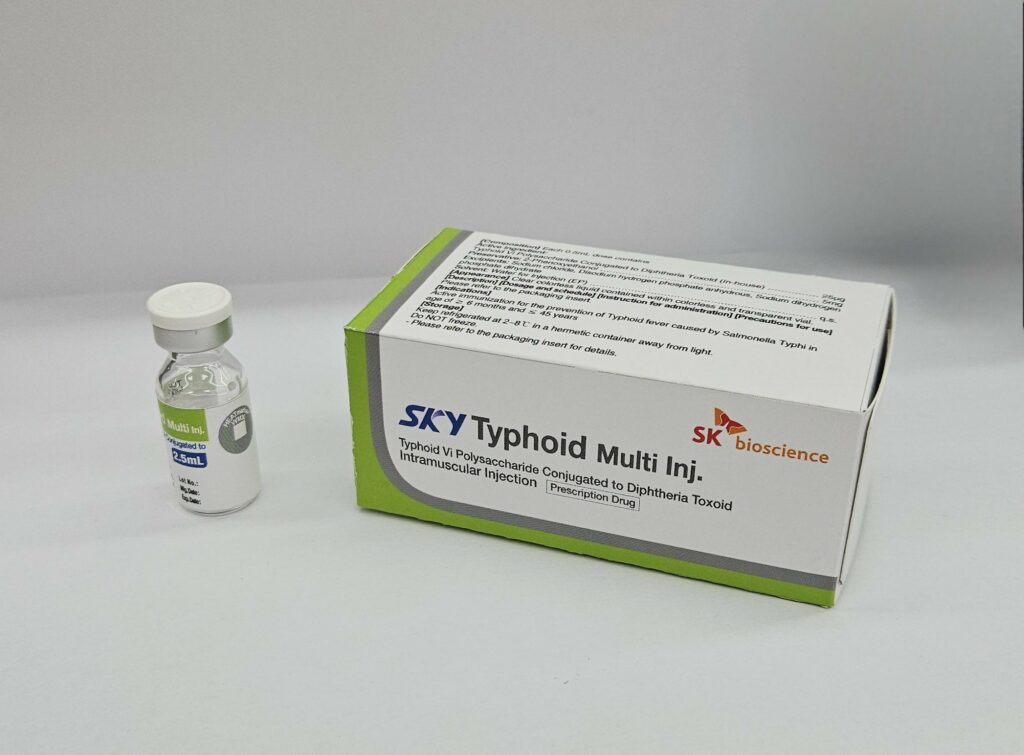
Significantly, the prices of domestically produced vaccines will be maintained at a lower rate than imported alternatives. This strategic pricing aims to alleviate fiscal pressure on the national budget while simultaneously improving access for the general population. It’s a win-win scenario for both the economy and public health.
National Vaccine and Biology Fund
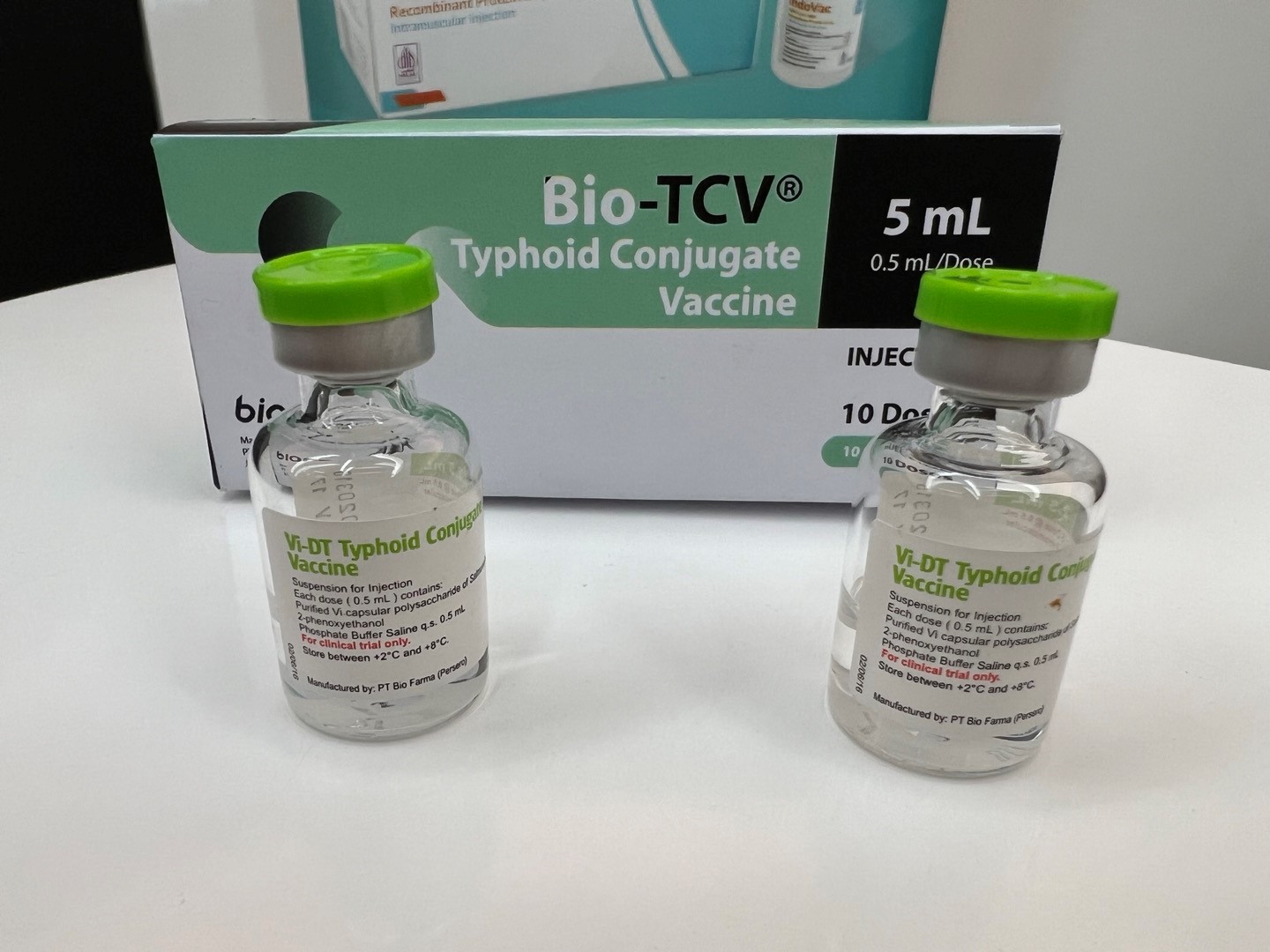
Addressing potential financing gaps is another critical component of the policy. The draft proposes the establishment of a dedicated National Vaccine and Biology Fund. This fund will be crucial for supporting the nascent industry. Funding may be sourced from various multilateral institutions, including the Asian Development Bank, the World Bank, and the Islamic Development Bank. Moreover, domestic financing channels will also play a vital role in ensuring adequate resources.
Strengthening Healthcare Resilience
Discussions are currently underway with key financial bodies, including the International Monetary Fund (IMF) and the Federal Board of Revenue (FBR). These talks aim to secure necessary approvals for the tax exemptions and fiscal incentives outlined in the policy framework. Such collaborative efforts are vital for smooth implementation and broad acceptance.
The policy has entered its final stages and is expected to be formally introduced by the government very soon. This landmark initiative represents a major step toward significantly strengthening Pakistan’s overall healthcare resilience. Ultimately, it will drastically reduce the nation’s long-term import dependence on vaccines, paving the way for a healthier and more secure future.









