

Pakistan is set to observe Earth Hour on March 28, 2026, from 8:30 pm to 9:30 pm, under precise directives from Prime Minister Shehbaz Sharif. This strategic initiative involves switching off non-essential lights nationwide, aligning Pakistan with a global movement for environmental protection and energy conservation. The Cabinet Division issued the notification, emphasizing participation from all governmental and public institutions. This annual symbolic action underscores a national commitment to sustainable practices and robust climate awareness, aiming to catalyze systemic efficiency. This key initiative, known as Pakistan Earth Hour, signals a structured approach to environmental responsibility.
Understanding Pakistan’s Earth Hour Mandate
The Prime Minister’s directive for this specific Pakistan Earth Hour observance is a calibrated national effort. It translates the global “Give an Hour for Earth” theme into a tangible, hour-long commitment across the nation. Specifically, this means government ministries, provincial bodies, and public institutions will uniformly participate. This synchronizes the nation with a vast international cohort, collectively demonstrating a commitment to environmental stewardship. Furthermore, this action goes beyond mere symbolism; it initiates critical dialogue on reducing our carbon footprint and promoting sustainable infrastructure.

Calibrating Daily Life: Socio-Economic Impact of Earth Hour
The observance of Earth Hour 2026 carries significant socio-economic resonance for Pakistani citizens. For households, particularly in urban centers, the collective dimming of lights highlights the potential for individual energy conservation. Students, in rural and urban settings, gain direct exposure to a global environmental movement, fostering a baseline understanding of climate action. Consequently, professionals and businesses are prompted to evaluate their own energy consumption patterns, potentially catalyzing broader shifts towards sustainable operations. This unified participation reinforces a collective responsibility towards resource optimization, directly impacting future resource availability and economic stability.
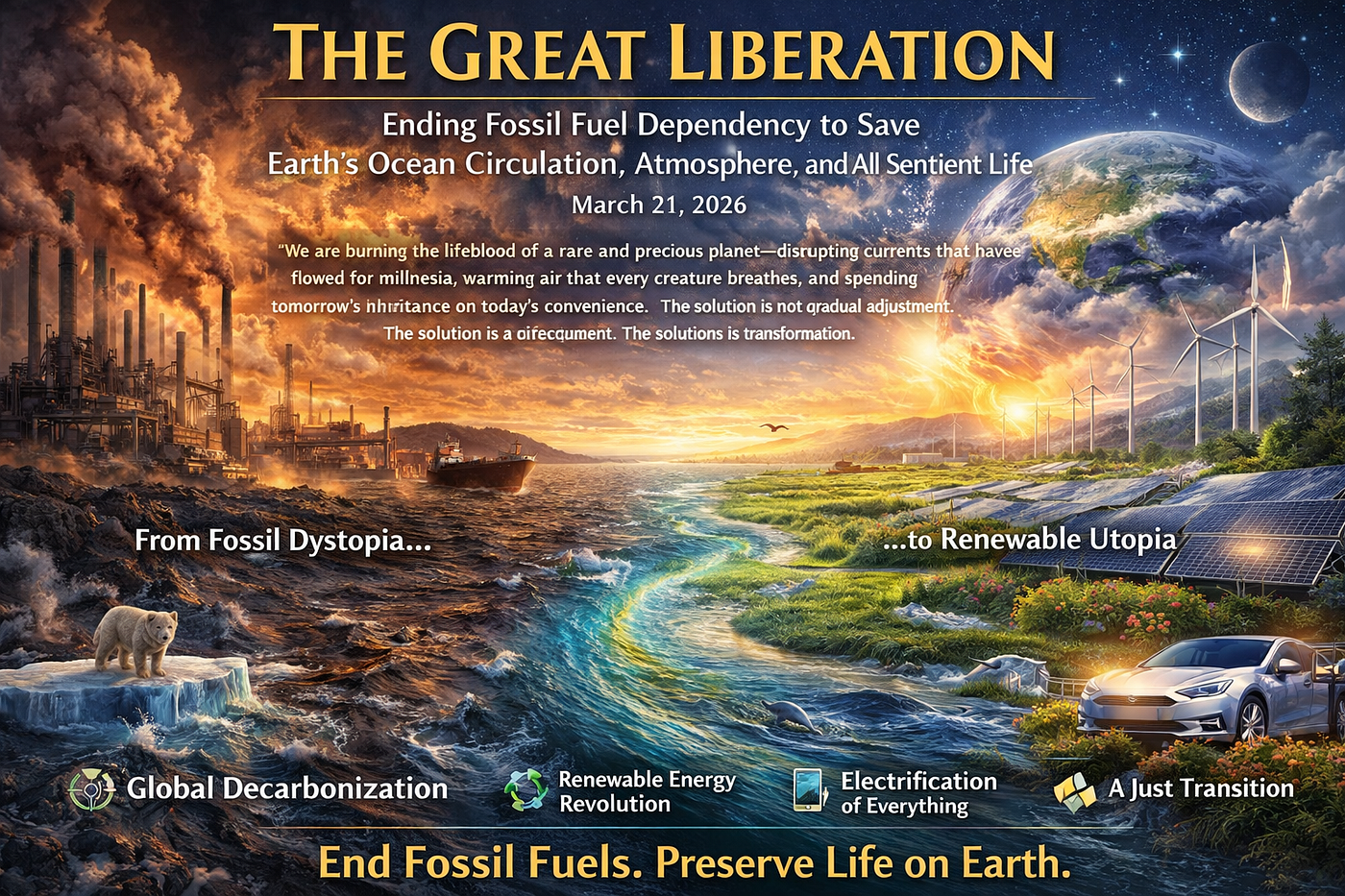
Earth Hour: A Strategic Momentum Shift for Pakistan?
This year’s Earth Hour observance in Pakistan represents a decisive Momentum Shift rather than a mere Stabilization Move. The Prime Minister’s direct involvement elevates this initiative from a passive observation to an active governmental endorsement of environmental responsibility. Structurally, it promotes national cohesion around a critical global challenge. While the direct energy savings from one hour are minimal, the strategic impact lies in public awareness and the institutionalization of eco-conscious behavior. This calibrated engagement serves as a catalyst for deeper, more systemic environmental reforms in Pakistan’s future, aligning with broader climate awareness campaigns.








