In a decisive move to stabilize national energy provisions, the State Bank of Pakistan has provisionally authorized CIF oil imports (Cost, Insurance, and Freight) for a 60-day period. This calibrated decision, effective from Wednesday, is a strategic response to the extreme volatility in global energy markets and escalating geopolitical tensions in the Middle East, ensuring an uninterrupted flow of essential fuel supplies across Pakistan. This temporary measure specifically addresses disruptions within shipping and marine insurance sectors, aiming to fortify the nation’s energy supply chain against external shocks.
The Translation: Deconstructing CIF Oil Imports Logic
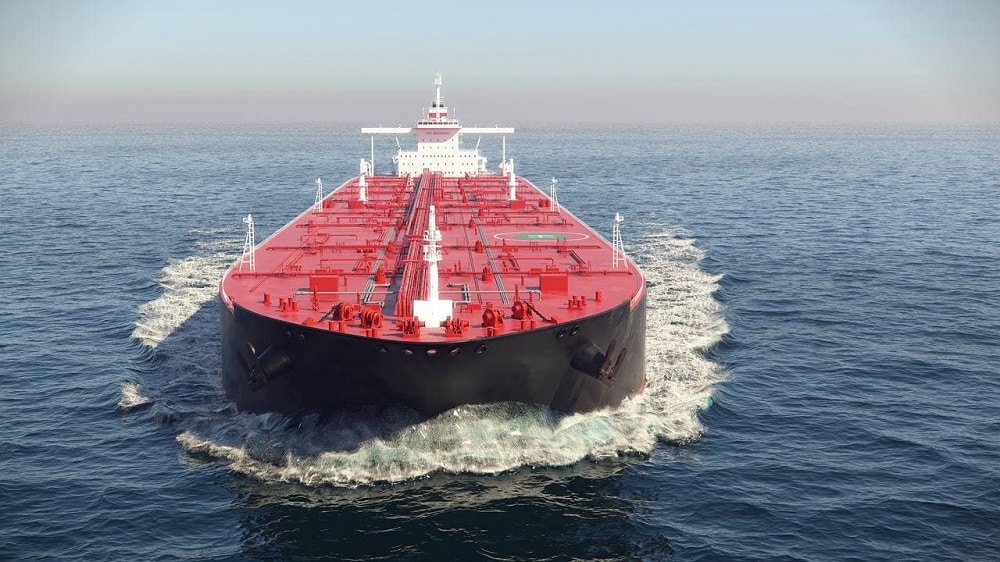
The standard practice for importing crude oil and petroleum products typically involves local buyers arranging separate marine and war risk insurance. However, the recent decree by the State Bank of Pakistan (SBP) shifts this responsibility to the suppliers themselves. Consequently, the temporary allowance for CIF oil imports means that foreign suppliers will now manage the cost of goods, insurance premiums, and freight charges up to the port of destination. This structural adjustment simplifies the import process for Pakistani entities, mitigating direct exposure to fluctuating international insurance rates and complex shipping logistics. The Oil Companies Advisory Council initiated this request, highlighting the critical need for regulatory agility to maintain national fuel reserves amidst the challenging global environment.
The Socio-Economic Impact: Fortifying Daily Life and Industry

This policy adjustment directly impacts the operational stability of Pakistan’s economy and the daily routines of its citizens. By ensuring a steady influx of crude oil and refined petroleum products, the SBP’s initiative directly prevents potential fuel shortages that could cripple transportation, industrial output, and agricultural operations. For students, professionals, and households in both urban and rural Pakistan, this translates into consistent access to energy, preventing price spikes at the pump and maintaining the efficiency of public services and private enterprises. This measure safeguards against inflationary pressures that typically accompany supply disruptions, thereby preserving consumer purchasing power and economic predictability for average Pakistani citizens.
The “Forward Path”: A Strategic Stabilization Move
From an architectural perspective, this development represents a “Stabilization Move.” It is a calculated and necessary intervention designed to counteract immediate external threats to Pakistan’s energy security, rather than a fundamental shift in long-term energy policy. The decision calibrates the existing import framework to adapt to transient, high-risk conditions, specifically the increased volatility within the global oil shipping market and the Strait of Hormuz. While not a momentum shift towards new energy sources or infrastructure, this policy demonstrates a crucial adaptive capacity within the nation’s financial and regulatory systems. It underscores a disciplined approach to risk management, ensuring baseline operational continuity during periods of heightened international tension.