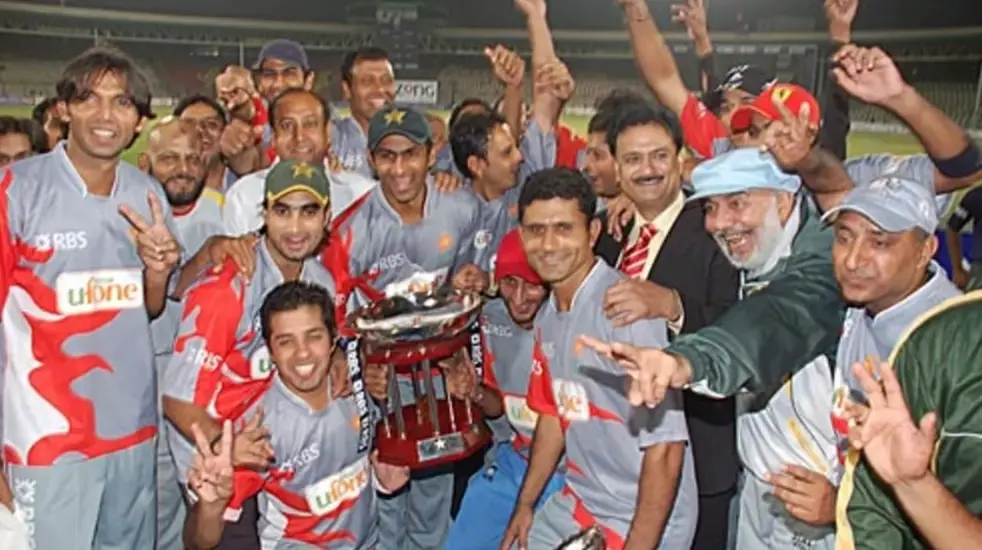
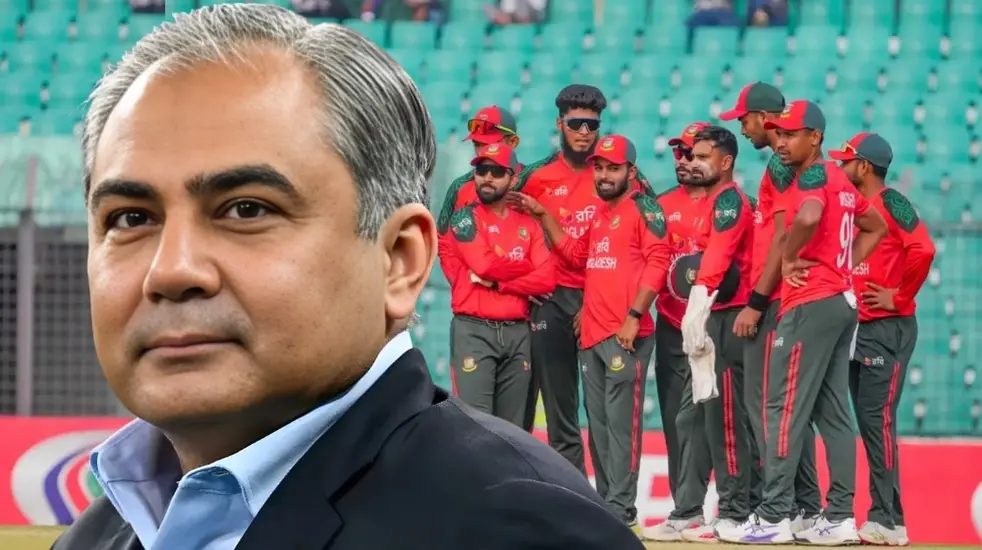
Pakistan has precisely unveiled its Pakistan T20 World Cup Squad for the 2026 ICC Men’s tournament, signaling a calibrated strategic approach to global competition. The announcement, made in Lahore, details a robust team poised for challenges in Sri Lanka and India. Specifically, all Pakistani fixtures are meticulously scheduled within Sri Lanka. This pivotal selection initiates the final phase of preparations, setting a definitive baseline for national cricketing ambition.
The Translation: Deconstructing the Squad Strategy
Pakistan’s cricket board, the PCB, has executed a decisive selection process. This formalizes the Pakistan T20 World Cup Squad for the upcoming ICC Men’s T20 World Cup. This strategic action plan outlines the 15-member team that will represent the nation. Furthermore, the selection clarifies the operational logistics for the tournament. While co-hosted by Sri Lanka and India, all matches involving Pakistan are precisely allocated to venues within Sri Lanka. This structured approach aims to optimize team performance and minimize logistical variables, ensuring peak readiness.
Squad Roster: A Strategic Blend of Talent
The composition of the Pakistan T20 World Cup Squad reflects a calculated balance. It merges experienced core players with promising emerging talent. Captain Salman Ali Agha will lead the contingent, providing crucial leadership. Key inclusions such as Abrar Ahmed, Babar Azam, Faheem Ashraf, Fakhar Zaman, and Mohammad Nawaz provide a structural foundation. Newcomers like Khawaja Mohammad Nafay, Mohammad Salman Mirza, and Usman Tariq are integrated, signaling an investment in future capabilities. The inclusion of three wicketkeepers—Nafay, Sahibzada Farhan, and Usman Khan—indicates strategic flexibility for various match scenarios. Specifically, the squad is:
- Salman Ali Agha (captain)
- Abrar Ahmed
- Babar Azam
- Faheem Ashraf
- Fakhar Zaman
- Khawaja Mohammad Nafay (wk)
- Mohammad Nawaz
- Mohammad Salman Mirza
- Naseem Shah
- Sahibzada Farhan (wk)
- Saim Ayub
- Shaheen Shah Afridi
- Shadab Khan
- Usman Khan (wk)
- Usman Tariq

Strategic Match Schedule: Navigating the Tournament Path
The competitive pathway for Pakistan is now precisely defined with a series of high-stakes group matches. The inaugural fixture for the Pakistan T20 World Cup Squad commences on February 7 against the Netherlands at the Sinhalese Sports Club Ground in Colombo. Subsequently, the team faces the United States of America on February 10 at the same venue. The highly anticipated encounter against India is strategically positioned on February 15 at the R Premadasa International Cricket Stadium in Colombo. Conclusively, Pakistan’s group stage culminates on February 18 against Namibia, again at the Sinhalese Sports Club Ground.

Socio-Economic Impact: Daily Life and National Unity
The announcement of the Pakistan T20 World Cup Squad catalyzes significant national engagement, transcending the immediate sporting arena. For urban households, these matches provide scheduled events for community gathering. Consequently, this fosters social cohesion and potentially boosts local commerce through viewing parties and associated activities. Professionals, particularly those in media and sports analysis, will find new avenues for content creation and expert commentary. In rural Pakistan, where access to diverse entertainment may be limited, these international competitions offer a shared national experience. Furthermore, they inspire younger generations in sports and teamwork. Moreover, the team’s performance can become a source of collective pride, influencing national morale and unity across all demographics.
The Forward Path: A Momentum Shift for Pakistani Cricket
This definitive announcement of the Pakistan T20 World Cup Squad represents a clear Momentum Shift. The precise selection of a balanced team, coupled with a well-defined tournament schedule, indicates a proactive and calibrated approach from the national cricketing administration. Integrating both seasoned players and promising new talent suggests a strategic vision for both immediate performance and long-term structural development. This move signals a resolute commitment to competitive excellence and systematic growth within Pakistan’s cricketing infrastructure, setting a new benchmark for future selections.