

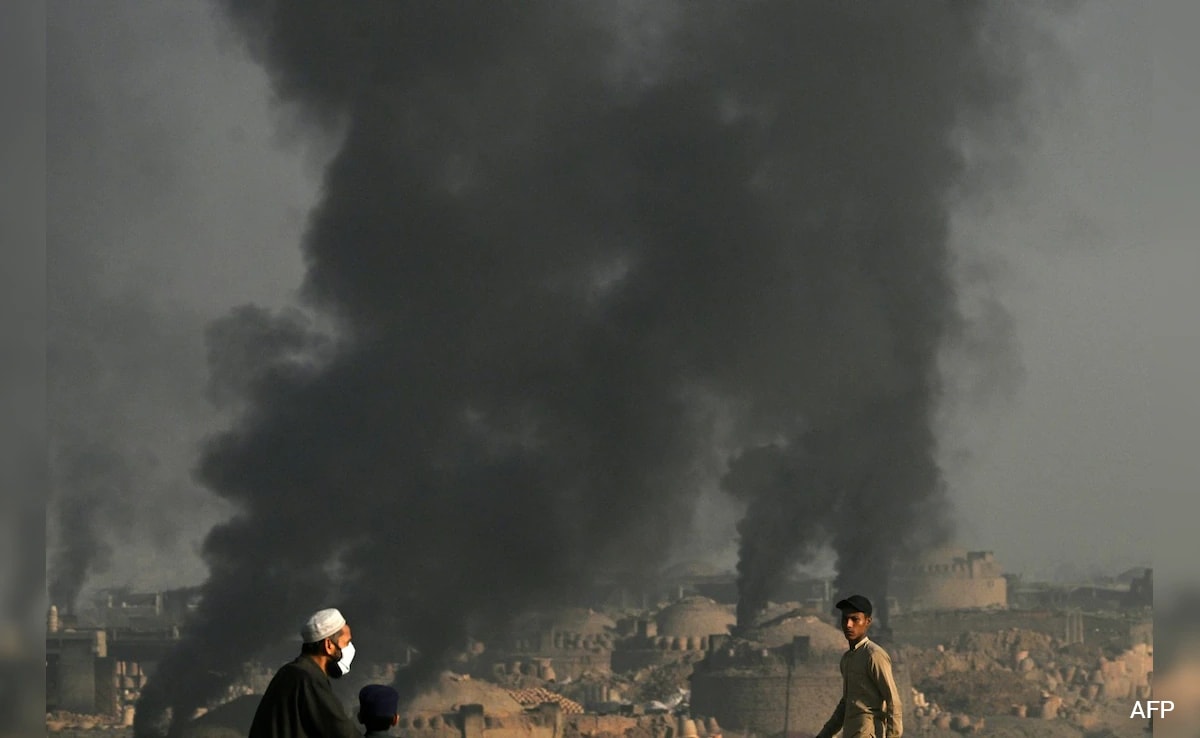
Pakistan now faces a critical environmental challenge, having been ranked as the world’s most polluted country in 2025. Data from IQAir, a Swiss air quality monitoring firm, reveals that fine particulate matter (PM2.5) levels in Pakistan are up to 13 times higher than the World Health Organization’s (WHO) recommended limit. This alarming baseline underscores an urgent need for precise intervention to mitigate the severe impact of Pakistan Air Pollution on national health and systemic efficiency.
The Translation: Calibrating the Air Quality Crisis
This critical ranking indicates a structural imbalance in atmospheric conditions across Pakistan. Specifically, the country’s average annual PM2.5 concentration significantly surpasses the WHO’s stringent guideline of 5 micrograms per cubic meter. Furthermore, the global dataset highlights a broader systemic issue: 130 out of 143 monitored countries failed to meet this international standard in 2025, emphasizing a worldwide struggle against airborne contaminants. In contrast, only 13 nations successfully adhered to the benchmark, a marginal increase from seven a year prior, demonstrating the formidable challenge of achieving optimal air quality.

Neighboring countries Bangladesh and Tajikistan also face similar challenges, securing the second and third positions, respectively, on the most polluted list. Notably, Chad, which previously held the top spot in 2024, descended to fourth place; however, researchers caution that this apparent improvement might be an artifact of data gaps rather than actual environmental recovery. Consequently, the temporary suspension of a key global air quality monitoring program by the United States led to the exclusion of Burundi, Turkmenistan, and Togo from the 2025 rankings, impacting the completeness of global comparative analyses.
Socio-Economic Impact: Repercussions for Pakistani Citizens
The persistent elevation of Pakistan Air Pollution directly translates into tangible health and productivity detriments for every Pakistani citizen. For students, increased exposure to PM2.5 can lead to respiratory illnesses, impacting school attendance and cognitive development. Similarly, professionals in urban centers, already contending with high stress environments, face heightened risks of cardiovascular disease and reduced workplace efficiency due to compromised air quality. Consequently, households across both urban and rural Pakistan bear the burden of increased healthcare expenditures and a diminished quality of life, underscoring the broad societal ramifications.

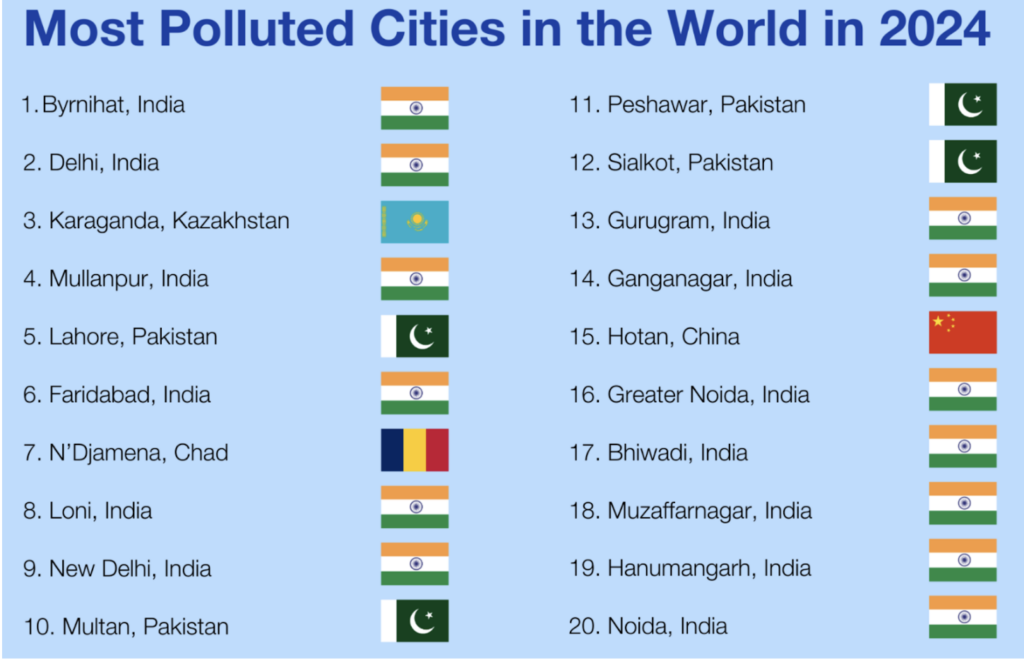
Globally, only 14 percent of cities met WHO air quality standards, a decline from 17 percent in 2024. This global trend indicates a widespread deficiency in urban environmental management. In Pakistan, and specifically in cities within the wider South Asian region, pollution levels are critically high. Specifically, Loni in India and Hotan in China’s Xinjiang region recorded the highest pollution levels worldwide, with the 25 most polluted cities concentrated exclusively across India, Pakistan, and China. This regional concentration necessitates a collaborative, structural approach to air quality management.
The Forward Path: A Strategic Shift Towards Clean Air
While the current data presents a formidable challenge, it also serves as a critical baseline for calibrated policy intervention. This development represents a Momentum Shift, compelling Pakistan to strategically re-evaluate its environmental policies and infrastructure. The report highlights that 75 countries recorded a decline in PM2.5 levels, indicating that targeted interventions can yield positive results. For example, Laos, Cambodia, and Indonesia reported improvements attributed to wetter and windier La Nina conditions, demonstrating the influence of climatic factors. Furthermore, Mongolia achieved a significant reduction in its pollution levels, providing a model for effective national-level strategies.
Pakistan must now architect a robust national clean air initiative, integrating advanced monitoring systems and implementing stringent industrial and vehicular emission controls. This strategic imperative involves leveraging technological advancements and fostering international collaborations to acquire and deploy best practices. Ultimately, a multi-faceted approach, grounded in data-driven precision, will be essential to reverse the current trajectory and safeguard the nation’s environmental future.








