Architecting Energy Resilience: Pakistan’s Strategic Underground Gas Storage Initiative
Pakistan has embarked on a strategic national project: the development of its first underground gas storage (UGS) facilities. This critical infrastructure upgrade is designed to precisely calibrate the nation’s energy supply, mitigating persistent challenges such as erratic LNG cargo diversions, the precarious accumulation of surplus gas, and escalating safety risks across the national gas network. This visionary move signifies a fundamental shift from a reactive, linepack-dependent system to a proactive, structurally reinforced energy management framework.
The Translation: Securing Pakistan’s Energy Future with Precision
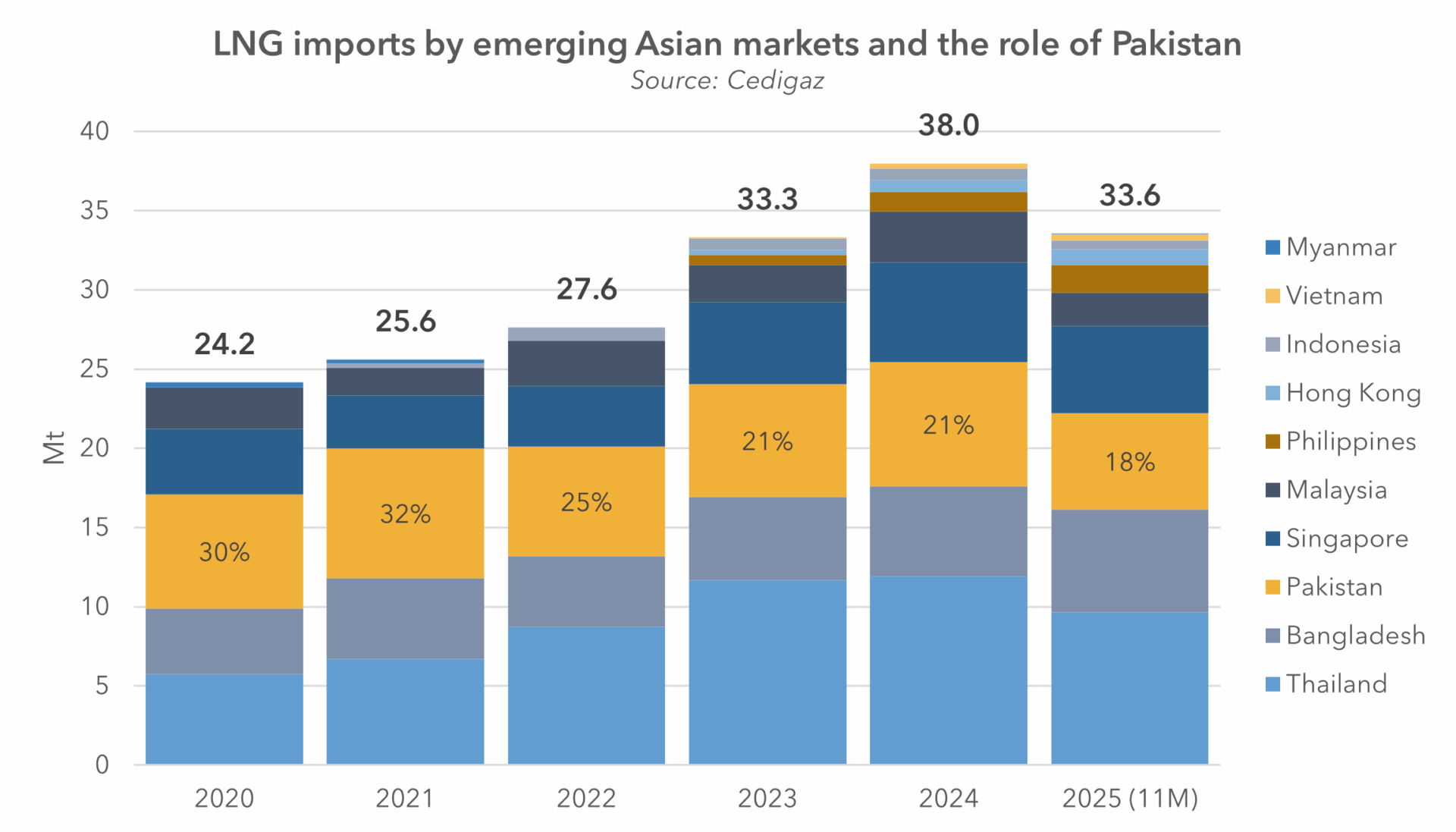
Currently, Pakistan’s gas network relies almost entirely on “linepack,” the inherent pressure and volume of gas within transmission pipelines. This method, while rudimentary, presents significant inefficiencies and poses substantial safety hazards. During periods of diminished demand, for instance, excess gas can elevate linepack pressure beyond 5 billion cubic feet (bcf), a threshold identified by regulators as a serious safety concern. Consequently, the government-owned Inter State Gas Systems has initiated a crucial step, inviting expert consulting firms to conduct a comprehensive need assessment and pre-feasibility study for this UGS project.
This structural enhancement directly addresses the volatility of global LNG markets, which has historically led to cargo diversions and cancellations, impacting Pakistan’s energy security. The initial phase of this storage project targets a formidable capacity equivalent to 11–12 days of national gas consumption, establishing a robust buffer against supply fluctuations. This systematic approach replaces prior interim strategies such as offshore LNG storage, the resale of surplus cargoes, or deferring contractual deliveries with a foundational, long-term solution.

The Socio-Economic Impact: Calibrating Daily Life and Economic Stability
The operationalization of these underground gas storage facilities will catalyze a tangible improvement in the daily lives of Pakistani citizens. For households, it translates into a more reliable and consistent gas supply, reducing the likelihood of shortages that disrupt domestic routines. Furthermore, for industries, particularly those reliant on gas as a primary input, this stability ensures uninterrupted production cycles, fostering economic growth and safeguarding employment.
Professionals and businesses will benefit from a more predictable energy landscape, allowing for strategic planning and investment without the constant concern of supply volatility. Moreover, the enhanced safety protocols inherent in a dedicated storage system will significantly reduce the risks associated with an over-pressurized network, protecting both urban and rural communities. This initiative represents a calibrated effort to underpin national productivity and improve the quality of life across all strata of Pakistani society.
The Forward Path: A Momentum Shift Towards Energy Resilience
This move by Pakistan’s government represents a clear “Momentum Shift” in its energy policy. Rather than merely managing immediate crises, the nation is investing in a structural enhancement that aligns with the best practices of advanced gas markets globally. Establishing dedicated storage infrastructure is not just a maintenance activity; it is a foundational step towards long-term energy resilience and self-sufficiency.
Consequently, Pakistan is positioning itself to better navigate future global energy market fluctuations, optimize its LNG procurement, and ensure a baseline of supply security. This strategic investment in core energy infrastructure is a powerful statement of intent, signaling a commitment to a stable, efficient, and forward-looking energy future for the nation.