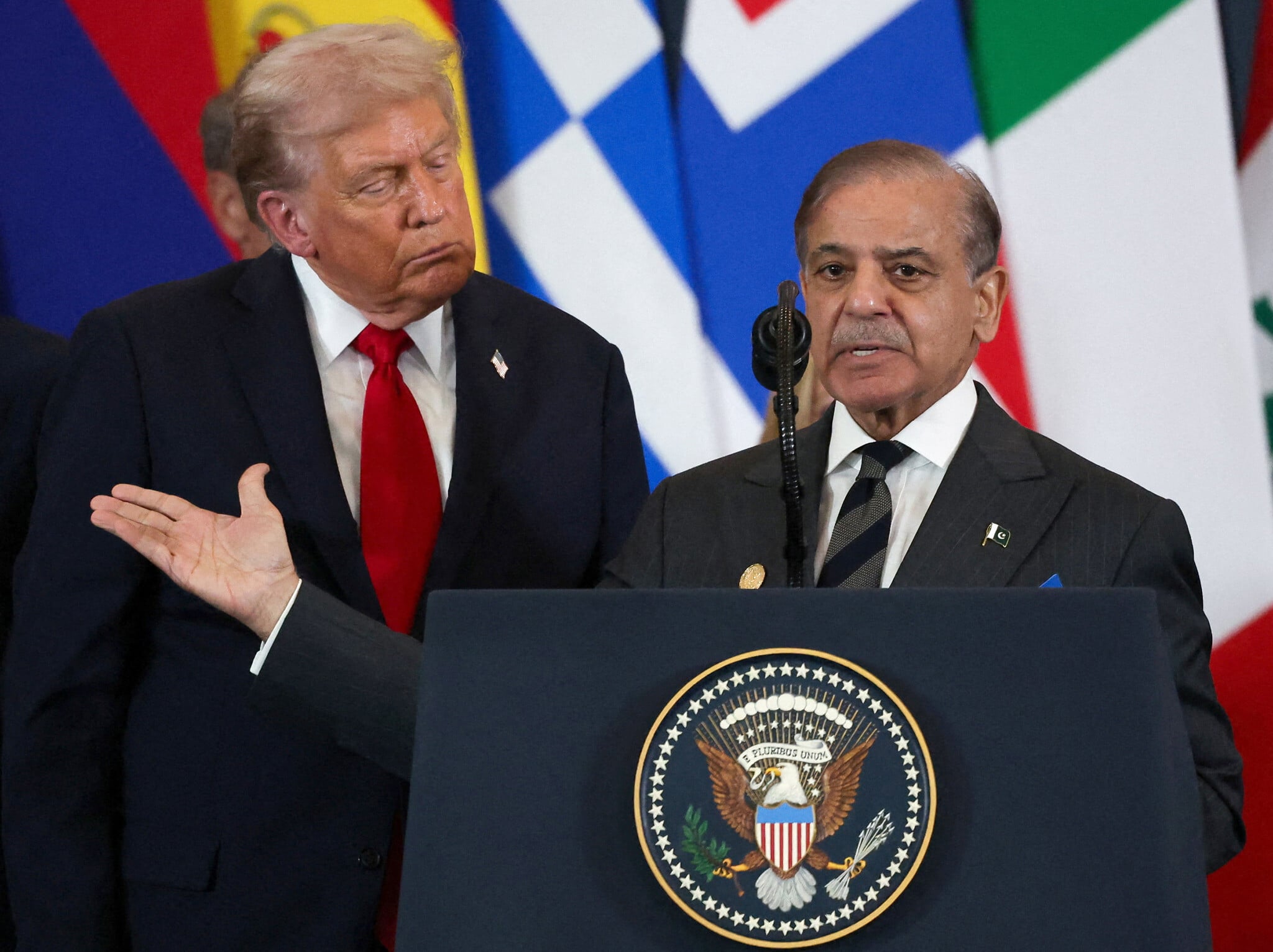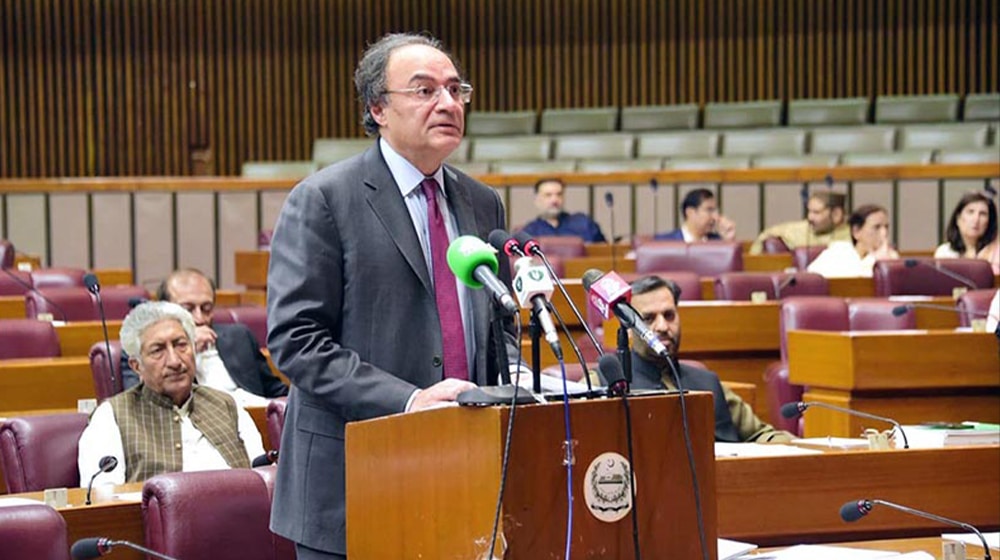
The strategic oversight of national stability is paramount during periods of global volatility. Specifically, Pakistan’s Finance Minister, Muhammad Aurangzeb, has confirmed that the nation remains insulated from the direct effects of the ongoing regional conflict. However, a rigorous monitoring protocol is in place to calibrate the nation’s economic trajectory, particularly concerning the vital energy sector. This proactive stance ensures that the potential Pakistan Gulf War Impact on domestic stability is meticulously managed.
The Translation: Calibrated Vigilance in a Volatile Landscape
Minister Aurangzeb communicated to the Senate Standing Committee on Finance that despite the absence of direct engagement, the government is continuously observing geopolitical shifts. Consequently, these rapidly evolving circumstances necessitate agile decision-making, especially regarding the procurement and pricing of energy resources. This disciplined approach underscores a commitment to preemptive risk management.
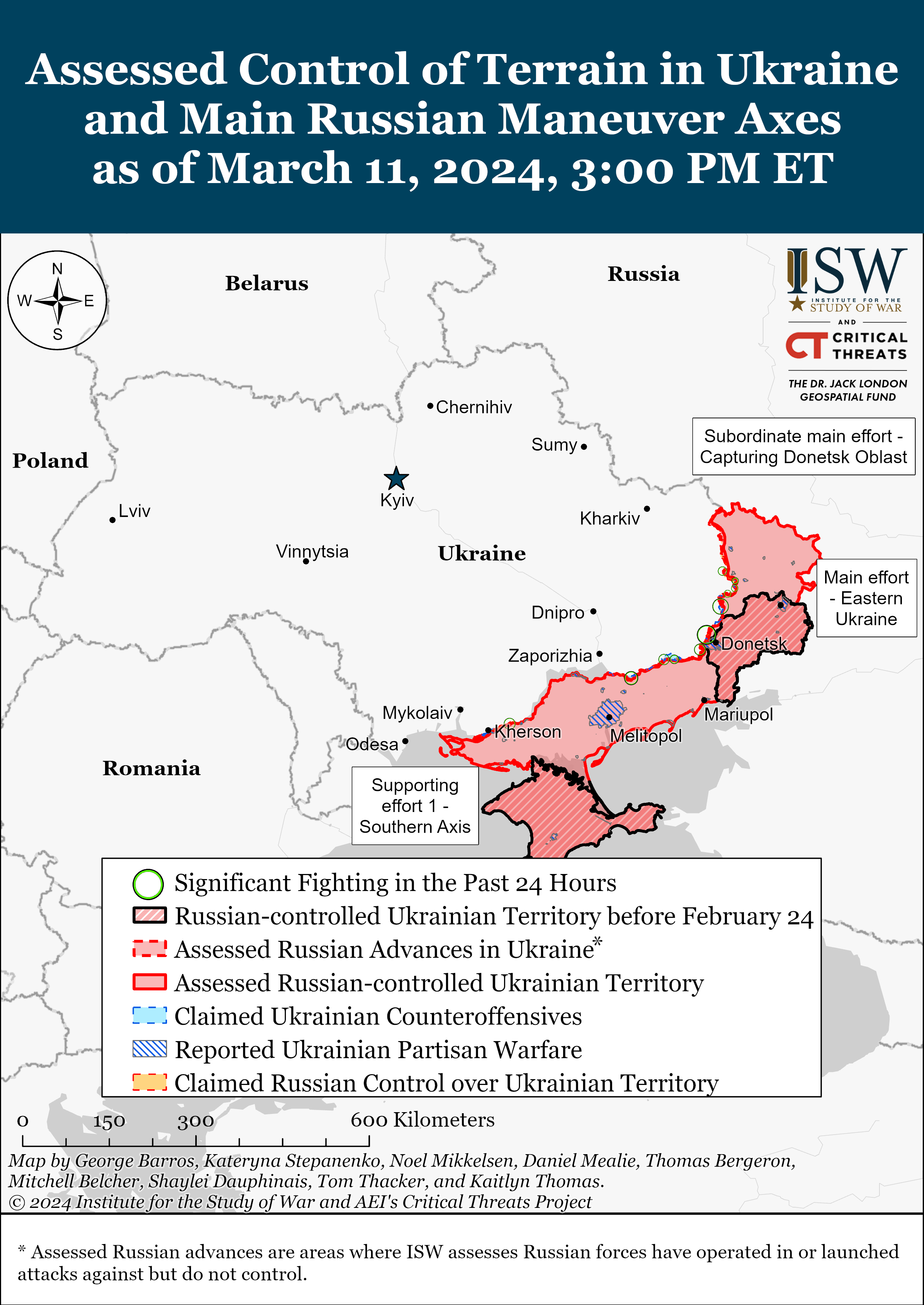
Ensuring Energy Supply Chain Resilience
Furthermore, to maintain system efficiency, a ministerial committee, instituted by the Prime Minister, convenes daily. This committee’s core mandate involves supervising petroleum product supplies and their associated pricing mechanisms. It systematically reviews global market dynamics, thereby safeguarding Pakistan’s critical energy supply chain against potential disruptions and ensuring sustained operational continuity.

The Socio-Economic Impact: Mitigating Pakistan Gulf War Impact on Citizens
This governmental vigilance translates directly into tangible benefits for the average Pakistani citizen. By stabilizing energy prices and ensuring consistent supply, households and businesses are shielded from the severe inflationary pressures and supply shortages that can accompany regional instability. Professionals can maintain their routines, students continue their studies without energy interruptions, and urban and rural communities alike experience a baseline of economic predictability. This calibrated management protects purchasing power and sustains daily life.

Economic Predictability for Households and Industry
Specifically, the consistent availability of fuel and electricity at managed prices minimizes operational costs for industries and reduces household expenditures. This structural stability prevents abrupt economic shocks, fostering an environment where small businesses can plan and grow, and families can manage their budgets with greater confidence. Ultimately, it secures the foundational economic welfare of the nation.
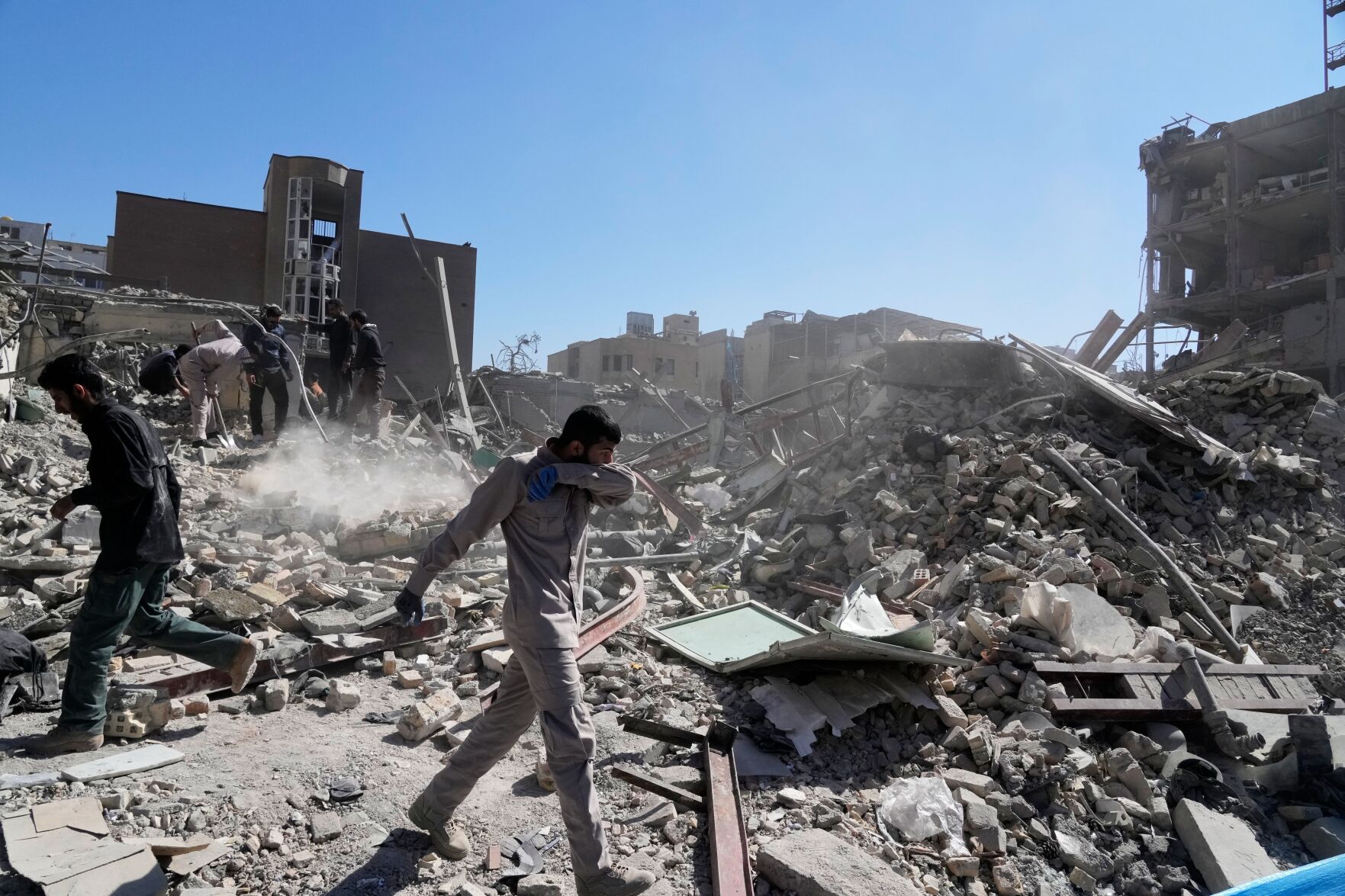
The “Forward Path”: A Strategic Stabilization Move
This development fundamentally represents a Stabilization Move. The government’s immediate and strategic response to regional geopolitical developments, focusing on critical energy security, prioritizes maintaining the current economic equilibrium. While it may not initiate a direct “Momentum Shift” towards accelerated growth, it meticulously fortifies Pakistan against external vulnerabilities. This calculated defensive posture ensures a resilient foundation for future advancement.

The emphasis on an uninterrupted energy supply chain, combined with proactive monitoring, safeguards national interests. This disciplined strategy is critical for long-term systemic health, demonstrating a commitment to fiscal prudence and citizen welfare amidst global uncertainties.