Pakistan’s cricket strategists have implemented significant Pakistan playing XI changes for the second T20 International against Australia, signaling a proactive recalibration of the squad. Despite securing an initial series lead, this structural adjustment sees the inclusion of Usman Tariq, Faheem Ashraf, and Naseem Shah, while Fakhar Zaman, Shaheen Shah Afridi, and Salman Mirza transition out. This move is a precise baseline for optimizing team dynamics ahead of the T20 World Cup 2026.
The Translation: Decoding Pakistan’s Tactical Roster Shift
The recent Pakistan playing XI changes are not merely routine substitutions; they represent a calibrated strategic initiative. Specifically, the integration of Usman Tariq, a highly touted mystery spinner, adds a crucial dimension to the bowling attack, enhancing control and unpredictability. Furthermore, Naseem Shah’s re-entry provides a potent boost in new-ball pace and swing, a structural advantage for early breakthroughs. Consequently, Faheem Ashraf’s inclusion offers a dual benefit: an additional seam-bowling option and vital lower-order batting depth, thereby optimizing the team’s balance. These adjustments systematically refine the team’s capabilities, focusing on targeted strengths rather than just immediate match results.
Socio-Economic Impact: What These Pakistan Playing XI Changes Mean for Pakistani Aspirations
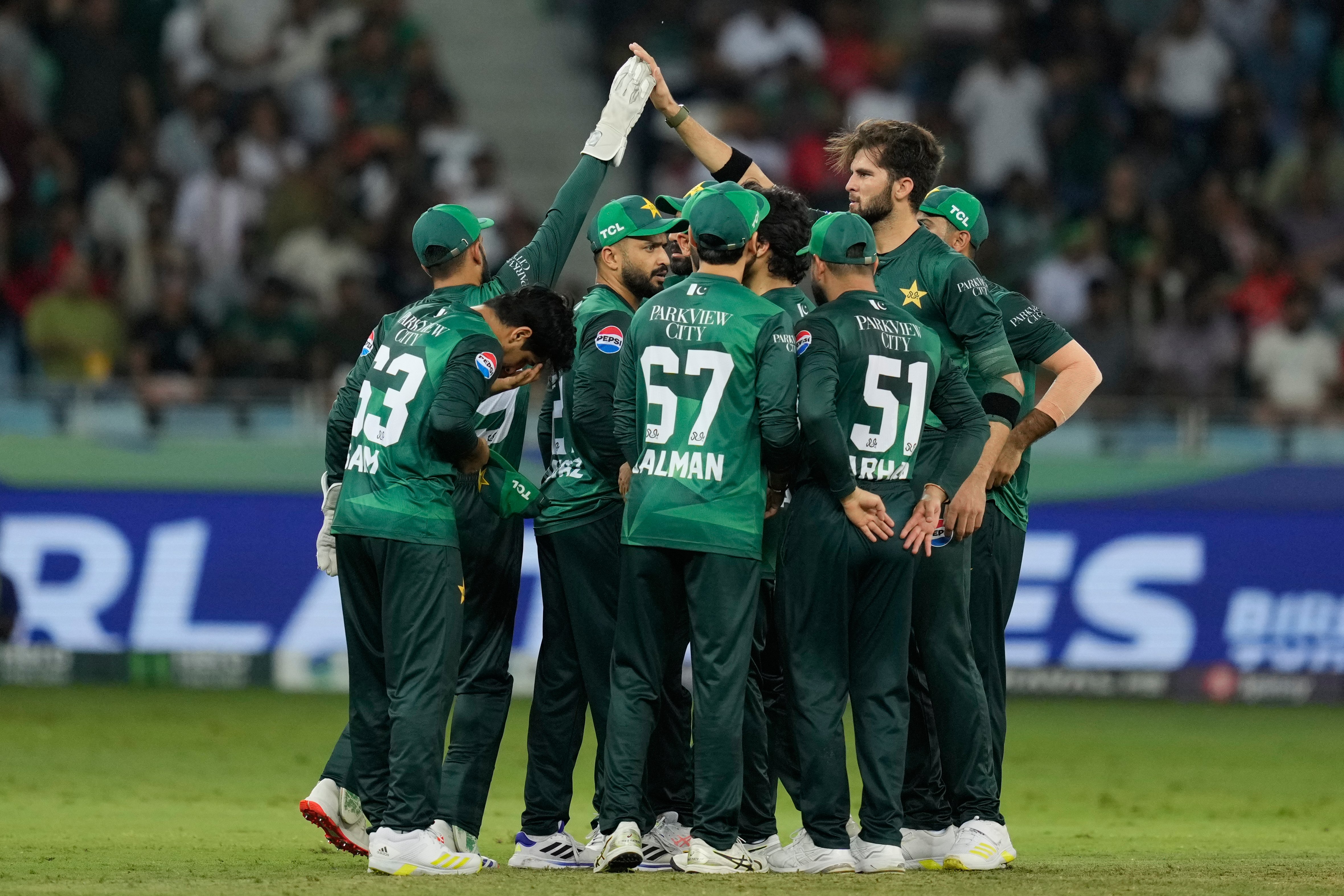
For Pakistani citizens, particularly aspiring young athletes and cricket enthusiasts, these strategic shifts underscore a commitment to national advancement in sports. The emphasis on nurturing talent like Usman Tariq and leveraging the proven capabilities of Naseem Shah and Faheem Ashraf translates into a more robust and competitive national team. Ultimately, a stronger team elevates national pride and potentially inspires greater participation in sports at the grassroots level. This sustained pursuit of excellence directly contributes to a positive national image and provides a tangible pathway for future generations to excel on the global stage, fostering a sense of collective achievement.
The Forward Path: A Momentum Shift Towards Global Competitiveness
This development undeniably represents a Momentum Shift for Pakistan cricket. The decision to experiment with the playing XI, even while holding a series lead, indicates a forward-thinking approach aimed at long-term systemic optimization. The selection committee’s courage to make bold calls, specifically integrating specialized talents, is a catalyst for enhanced performance in high-stakes tournaments. This strategic foresight is critical; it positions Pakistan not just for immediate victories but for sustained excellence in the challenging landscape of international T20 cricket, projecting a disciplined, future-focused trajectory for the national squad. These proactive Pakistan playing XI changes highlight a commitment to securing future triumphs.
Strategic Pakistan Playing XI for 2nd T20I vs Australia: A Calibrated Lineup
The meticulously selected lineup for the second T20 International against Australia reflects a balanced approach, designed to maximize both immediate performance and future potential. The inclusion of key players like Usman Tariq and Naseem Shah signifies a deliberate strengthening of the bowling unit, while versatile all-rounders provide crucial depth. This structural composition is geared towards establishing dominance in various match scenarios, ensuring tactical flexibility. Below is the precise roster following these Pakistan playing XI changes:
- Saim Ayub
- Sahibzada Farhan
- Salman Ali Agha (c)
- Babar Azam
- Usman Khan (wk)
- Shadab Khan
- Mohammad Nawaz
- Faheem Ashraf
- Usman Tariq
- Abrar Ahmed
- Naseem Shah
Australia, in parallel, also executed four roster adjustments. Mitch Marsh resumed captaincy, replacing Travis Head, and Josh Inglis took the wicketkeeper role. Notably, Marcus Stoinis was rested. Consequently, both nations are meticulously calibrating their teams for optimal performance.