A calibrated decision confirms Pakistan’s participation in the ICC T20 World Cup 2026, with a high-stakes match against India scheduled for February 15 in Colombo, Sri Lanka. This pivotal development follows extensive diplomatic and cricketing negotiations, signaling a crucial advancement for regional sports diplomacy. The **Pakistan India T20 World Cup** fixture is poised to be a monumental event, drawing global attention to the sport’s unifying power.
The Translation: Diplomatic Overtures and Strategic Consensus
Reports indicate that Sri Lankan President Anura Kumara Dissanayake initiated direct contact with Prime Minister Shehbaz Sharif. The President’s strategic request urged a reconsideration of Pakistan’s potential T20 World Cup boycott, emphasizing the broader ecological benefits for international cricket. Consequently, Prime Minister Sharif granted the Pakistan Cricket Board (PCB) chairman Mohsin Naqvi the definitive authority to finalize the decision, showcasing a streamlined governmental endorsement of sports engagement.
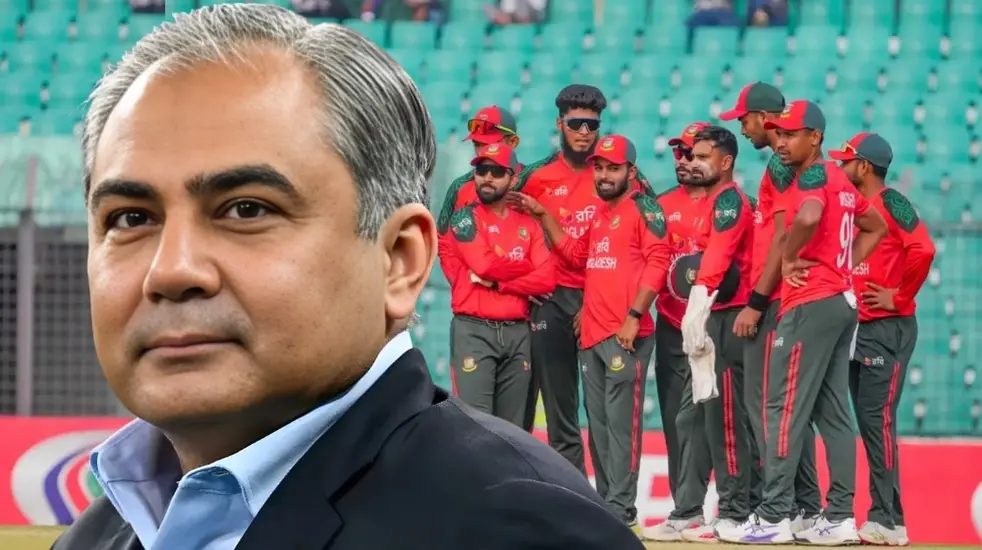
Furthermore, this decision emerges amidst widespread appreciation from the Bangladesh Cricket Board (BCB). The BCB publicly acknowledged PCB’s “unwavering support and solidarity,” specifically commending Chairman Mohsin Raza Naqvi. This fraternal recognition underscores a structural commitment to regional cricketing harmony, emphasizing the deep-rooted brotherhood among the boards.

The Catalyst: High-Level Discussions and ICC Engagement
The latest breakthrough materialized subsequent to a crucial meeting in Lahore. An International Cricket Council (ICC) delegation, led by Deputy Chairman Imran Khawaja, alongside BCB President Aminul Islam, engaged in over five hours of intensive discussions. This dialogue was critical for addressing Bangladesh’s previously articulated concerns, ensuring that a robust framework would be devised to mitigate their grievances. This collective effort highlights a proactive approach to resolving complex cricketing challenges, particularly concerning the upcoming high-profile fixture.

The Socio-Economic Impact: Unifying a Nation Through Sport
This strategic decision carries profound implications for Pakistani citizens, transcending mere sporting spectacle. For students and professionals, the **Pakistan India T20 World Cup** match offers a powerful narrative of national resilience and diplomatic success on a global stage. In urban centers and rural communities alike, the event acts as a significant morale booster, fostering national unity and pride. Economically, such high-profile international fixtures stimulate local economies through increased viewership, tourism, and media engagement, creating both direct and indirect opportunities. Furthermore, the event reinforces Pakistan’s standing within the international sporting ecosystem, attracting future investment and collaboration.
The “Forward Path”: A Momentum Shift
This development undeniably represents a **Momentum Shift** for Pakistani cricket and regional diplomacy. The willingness to engage in high-level discussions and resolve complex issues through consensus demonstrates a mature and forward-thinking approach. It is a precise calibration that prioritizes the long-term benefits of participation and cooperation over short-term disagreements. This decision strategically positions Pakistan as a pivotal player in the global cricketing narrative, fostering goodwill and demonstrating a commitment to the sport’s collective advancement.