Optimizing Fuel Access: Pakistan’s Strategic Low-Grade Diesel Import Decision
Pakistan has strategically approved the low-grade diesel import temporarily, reversing a decade-long prohibition. This calibrated decision, implemented ahead of the crucial harvest season, aims to secure essential fuel supplies. Authorities recognized tight availability and escalating international prices for higher-grade Euro 5 diesel. Consequently, this move ensures resource stability for Pakistan’s agricultural sector.
Specifically, the exemption permits the low-grade diesel import of 500ppm sulphur diesel, often classified as Euro II and Euro III standard. This structural adjustment directly addresses market realities where 10ppm Euro 5 diesel is both scarce and expensive. The Special Cabinet Committee on Petroleum Prices, led by Muhammad Aurangzeb, informed this critical policy shift. Furthermore, they projected a significant increase in diesel demand during April and May, necessitating timely stock buildup.
The Translation: Securing Energy for National Productivity
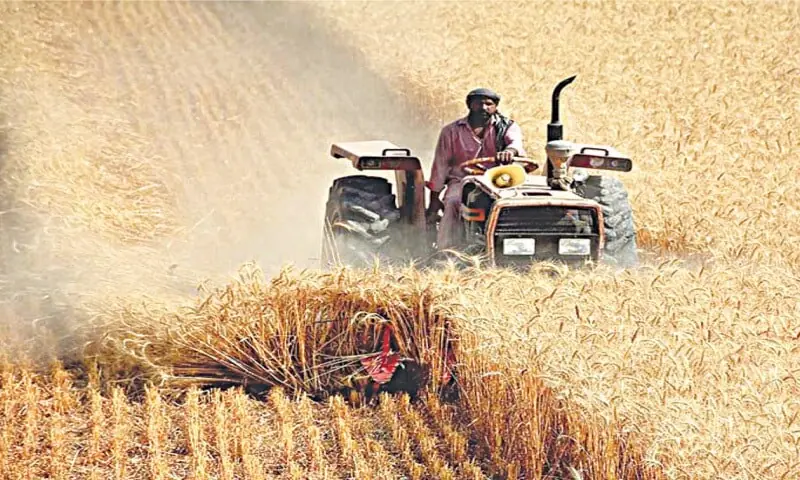
This policy change simplifies complex market dynamics. Essentially, Pakistan is prioritizing agricultural output by opting for a more accessible and cost-effective fuel standard. The low-grade diesel import decision means that instead of battling high international prices for premium fuel, the nation secures adequate supplies through a pragmatic approach. This ensures farmers have the necessary resources to power machinery, preventing potential disruptions to the harvest.
The Special Cabinet Committee on Petroleum Prices determined this course of action. They identified a projected sharp rise in diesel demand during the April-May harvest period. Therefore, timely stock buildup became paramount to avert shortages and speculative hoarding.
Socio-Economic Impact: Direct Benefits for Pakistani Citizens
How does this strategic adjustment influence daily life for a Pakistani citizen? Primarily, this ensures Pakistan fuel supply stability for the agricultural backbone. For students in rural areas, this means their families’ livelihoods remain secure as crops are harvested efficiently. Professionals in the logistics sector will experience fewer delays due to fuel shortages, maintaining supply chain integrity.
Households, both urban and rural, benefit from stabilized food prices, preventing inflation spikes that often follow agricultural disruptions. Furthermore, Pakistan State Oil (PSO) has already initiated arrangements for significant cargo of this lower sulphur standard diesel. The import premium for this fuel is substantially lower—around USD 6 to 7 per barrel compared to USD 26 to 27 for Euro 5 product. This translates to potential cost savings, which can indirectly benefit consumers.
Optimizing Global Logistics: The Strait of Hormuz Imperative
Beyond domestic policy, Pakistan is also calibrating its international logistics. Authorities received directives to secure Iranian clearance for ships traversing the Strait of Hormuz. This critical maritime corridor facilitates lifting fuel cargoes from Kuwait. Consequently, this measure is projected to significantly reduce insurance costs for imports. Such efficiency supports uninterrupted agricultural harvest fuel supplies into the nation, bolstering overall energy security.

The Forward Path: A Stabilization Move for Critical Sector Support
This development represents a Stabilization Move. While not a complete momentum shift towards new energy sources, it is a highly structural and precise action to support a critical sector during a vulnerable period. The decision reflects pragmatic resource management in the face of global oil market volatility. Current diesel stocks provide approximately 23 to 24 days of cover. However, authorities have intensified monitoring efforts to discourage speculative stockholding and ensure equitable nationwide distribution. This proactive management mitigates risks and builds resilience within the energy infrastructure.