Optimizing Regional Stability through Strategic Diplomacy
Pakistan is strategically convening a two-day quadrilateral meeting today, hosting foreign ministers from Saudi Arabia, Turkiye, and Egypt. This high-level assembly, led by Deputy Prime Minister and Foreign Minister Ishaq Dar, aims to consult on the evolving regional situation and foster systemic stability. Furthermore, this diplomatic initiative follows a significant breakthrough: Iran has granted clearance for 20 Pakistan-flagged ships to transit the Strait of Hormuz, a critical maritime route. This calibrated effort underscores Pakistan’s commitment to pragmatic solutions in challenging geopolitical landscapes, significantly enhancing regional diplomacy Pakistan.
The Translation: De-risking Maritime Trade Routes
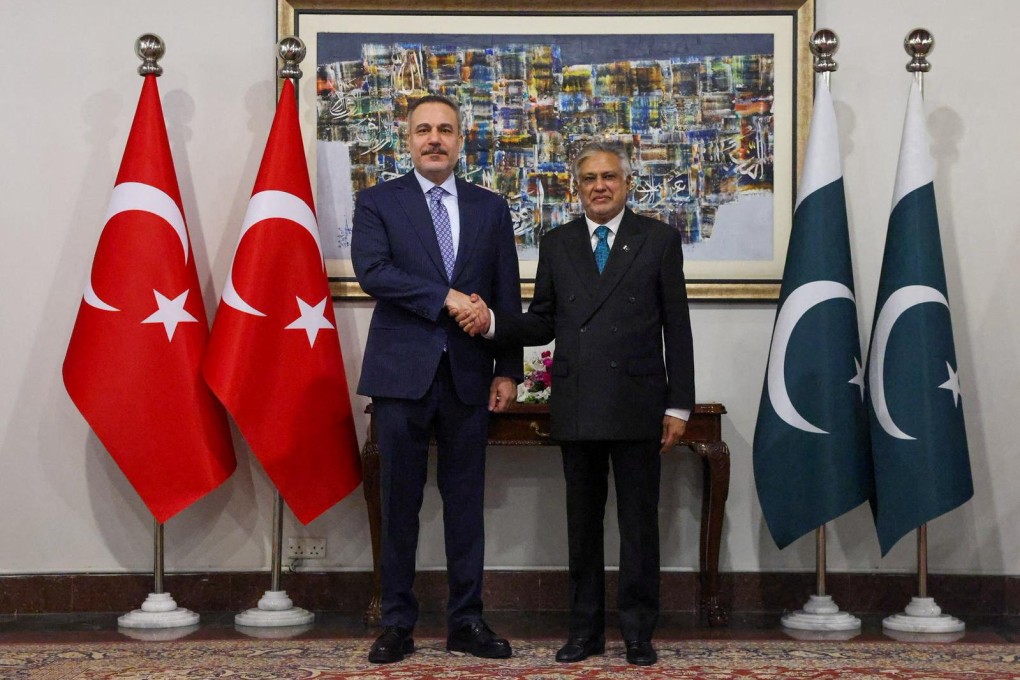
Understanding the core components of this diplomatic initiative reveals a structural approach to de-escalation. The quadrilateral meeting, involving key regional players, is not merely a discussion but a strategic consultation to harmonize perspectives on the Gulf crisis. Consequently, this collaborative framework seeks to build consensus and reduce latent tensions. The specific arrangement allowing two Pakistani ships daily through the Strait of Hormuz is a tangible outcome. This action, following a period of severe disruptions, directly addresses critical supply chain vulnerabilities.
Foreign Minister Dar explicitly stated that this gesture by Iran is “welcome and constructive,” serving as a “harbinger of peace.” This precision in diplomatic language highlights the intent to foster stability and predictable trade routes, crucial for regional economic health. Previously, Iran’s assertive posture against commercial ships had severely impacted maritime freedom, thereby elevating the need for such strategic clearances.
The Socio-Economic Impact: Calibrated Progress for Pakistan’s Economy

This development offers a direct, positive impact on the daily lives of Pakistani citizens, particularly those reliant on trade and energy. The assured passage of Pakistani ships through the Strait of Hormuz means greater predictability for imports and exports. This reduces shipping costs and insurance premiums, which ultimately translates into more stable prices for essential goods. For students and professionals, this stability underpins economic growth, fostering a more robust job market and greater investment confidence.
Moreover, the success of regional diplomacy in facilitating this shipping clearance demonstrates Pakistan’s growing influence as a regional mediator. This enhanced diplomatic standing can attract further foreign investment and strengthen bilateral trade relationships. Therefore, from urban manufacturing hubs to rural agricultural communities, the economic benefits of secure maritime routes and a stable regional environment are profound and far-reaching.
The Forward Path: A Momentum Shift in Regional Engagement
This strategic engagement represents a definitive Momentum Shift. Pakistan’s proactive role in convening these talks and securing vital shipping clearances moves beyond mere maintenance of existing ties; it establishes a new baseline for regional problem-solving. The nation is demonstrating a calibrated capability to mediate complex geopolitical challenges. This structural approach to dialogue, rather than reactive policy, signals a sophisticated evolution in Pakistan’s foreign policy objectives. It is a catalyst for enhanced regional cooperation and stability, positioning Pakistan as a key architect of future peace.