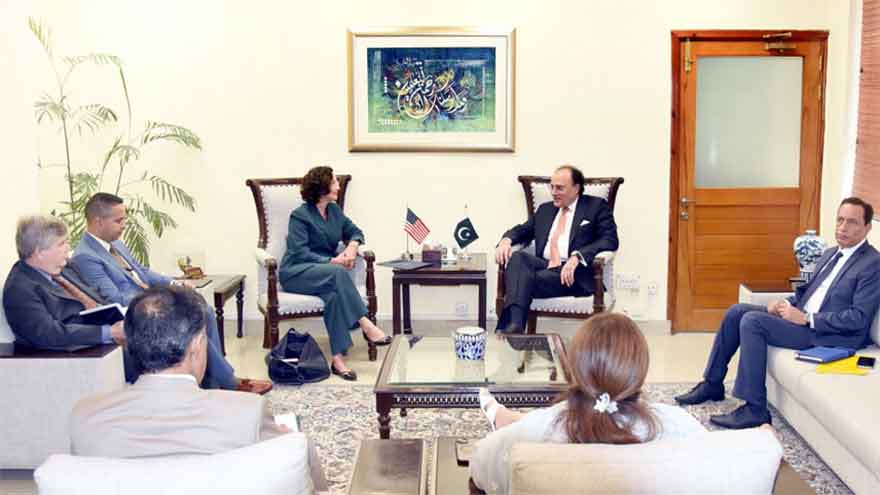
Pakistan has commenced crucial Pakistan IMF review talks, a strategic move to assess and recalibrate the nation’s economic trajectory. Finance Minister Muhammad Aurangzeb initiated these discussions with the visiting International Monetary Fund mission. This foundational dialogue aims to rigorously evaluate current fiscal performance and reform initiatives, establishing a clear baseline for future economic stability and growth.
The Translation: Deconstructing the Fiscal Dialogue
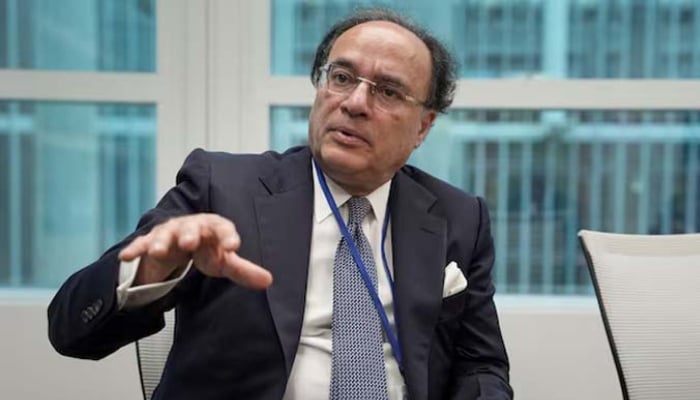
The recent engagement between Pakistan’s financial leadership and the IMF mission marks a structured evaluation of the nation’s economic health. Finance Minister Aurangzeb provided a comprehensive briefing on Pakistan’s recent economic indicators and the government’s ongoing reform efforts. Crucially, these high-level discussions included Finance Secretary Imdad Ullah Bosal, State Bank of Pakistan Governor Jameel Ahmad, the IMF mission chief, and the Fund’s resident representative in Pakistan, underscoring the collaborative nature of this critical review.
Operational Framework of the Review
Multiple sessions are precisely scheduled to cover an extensive review of Pakistan’s economic performance during the initial half of the current fiscal year. The IMF will meticulously assess fiscal outcomes spanning July to December, including detailed revenue collection data and expenditure patterns. Furthermore, the discussions will encompass the budget outlook for the remaining fiscal year and a calibrated evaluation of the economic impact attributed to recent natural calamities, specifically the floods. The government intends to present its expenditure prioritization plan and offer precise justifications for any variances in tax collection targets. Authorities will also deliver updates on sales and income tax performance, alongside a comprehensive overview of Pakistan’s external debt position and critical financing requirements.

The Socio-Economic Impact: Precision in Daily Life
These Pakistan IMF review talks directly influence the economic stability that underpins the daily lives of Pakistani citizens. For urban professionals, stable fiscal policies translate into predictable market conditions and potential for job growth. Students benefit from an economy that can sustainably fund educational infrastructure and opportunities. In rural Pakistan, robust revenue collection and strategic expenditure prioritization mean better-allocated resources for agriculture, infrastructure development, and essential services, directly improving household resilience. Consequently, these discussions are not merely financial; they are structural determinants of national progress.

The “Forward Path”: A Stabilization Move
This development represents a Stabilization Move for Pakistan’s economy. The methodical nature of these review talks signifies an architectural approach to financial governance rather than an immediate momentum shift. It demonstrates a disciplined commitment to fiscal responsibility and structural integrity. Through transparent reporting on economic indicators and reform efforts, Pakistan is strategically reinforcing its foundational economic systems, which is essential for sustainable growth. This is a deliberate, necessary calibration to ensure long-term national advancement.