
The Translation: Calibrated Access for Spiritual Observance
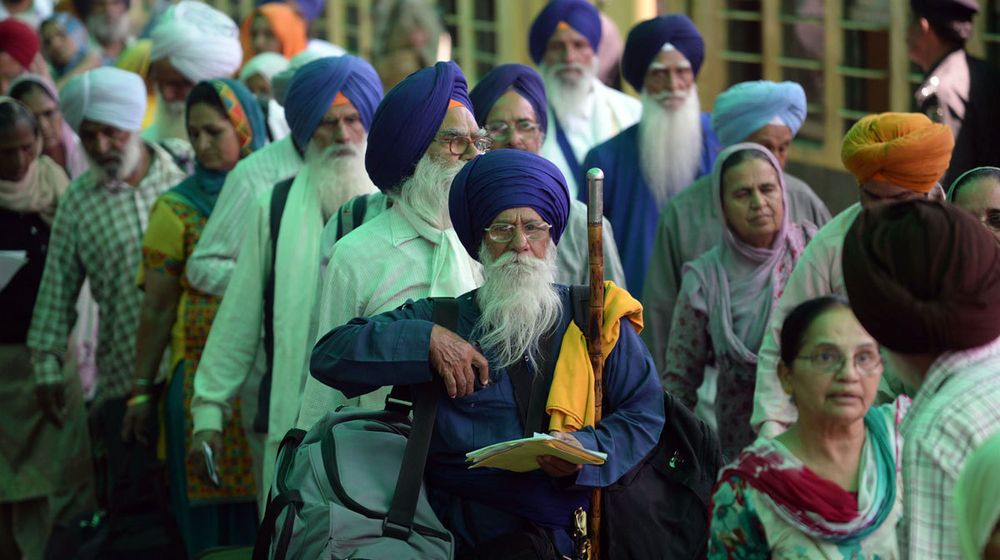
Pakistan has strategically issued over 2,800 visas to Indian Sikh pilgrims, enabling their participation in the imminent Baisakhi celebrations commencing April 10. This precise allocation of Pakistan Baisakhi Visas facilitates spiritual journeys, fostering a calibrated environment for the observance of the 327th Khalsa Janamdin. Consequently, this initiative directly supports cross-border religious diplomacy and cultural exchange, underpinning a structured approach to regional engagement.
Baisakhi, also known as Vaisakhi, marks the inception of the harvest season for the Sikh community, traditionally celebrated on the first day of the Vaisakh month. Furthermore, this significant religious festival draws thousands globally, emphasizing its profound cultural and spiritual resonance for Sikhs worldwide.
Strategic Entry via Wagah Border
Officials confirm pilgrims will commence their arrival in Lahore via the Wagah Border on April 10. The festival is slated to continue through April 19, establishing a dedicated timeframe for religious rites. Moreover, this controlled entry point streamlines the logistical framework for such a large-scale influx.

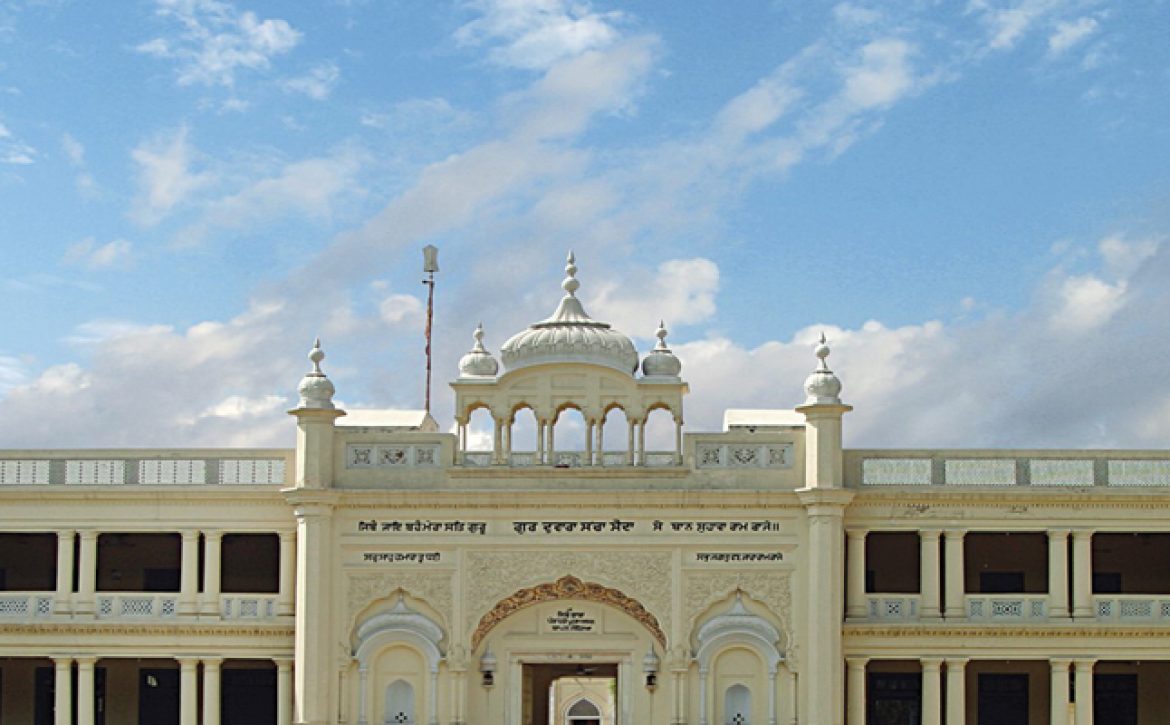
Over 26,000 Sikh pilgrims from diverse international locations are projected to participate in these celebrations. The primary ceremony will occur on April 14 at Gurdwara Panja Sahib, recognized as one of Sikhism’s most sacred sites. Consequently, this concentration necessitates robust planning and resource allocation to ensure a seamless experience for all attendees.
Precision in Security and Hospitality Protocols
A high-level review meeting, chaired by Home Secretary Ahmad Javed Qazi and Khawaja Salman Rafique of the Cabinet Committee on Law and Order, was convened at the Punjab Home Department. This structured deliberation focused on optimizing security and hospitality arrangements for the visiting pilgrims, demonstrating a proactive approach to guest welfare.
Authorities have confirmed the implementation of comprehensive measures, encompassing robust security protocols, accommodation provisions, and access to clean drinking water. Furthermore, essential amenities such as air-conditioning, bedding, and well-maintained washroom facilities have been meticulously arranged at gurdwaras and residential locations. This systematic provisioning ensures pilgrim comfort and safety.
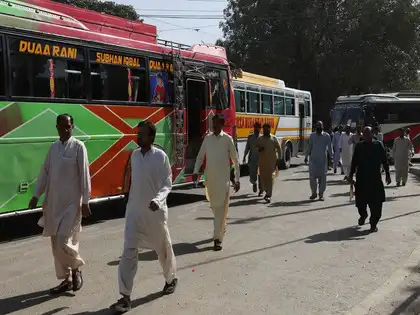
ETPB Additional Secretary Nasir Mushtaq elaborated on security enhancements, which include constant CCTV monitoring, intelligence-based operations, and temporary installations at key religious sites. This multi-layered security framework is designed to safeguard all participants throughout their pilgrimage, ensuring a secure environment.
The Socio-Economic Impact: Fostering Cultural Exchange and Regional Stability
The issuance of Pakistan Baisakhi Visas significantly impacts the daily life of a Pakistani citizen by fostering robust cultural exchange and potentially stimulating local economies. For students and professionals, this open-door policy exemplifies Pakistan’s commitment to religious tourism, which can cultivate a more inclusive national narrative. Households in urban and rural areas benefit indirectly from enhanced regional stability and the soft power accrued through such diplomatic gestures, which can pave the way for broader cooperation. This calibrated engagement projects Pakistan as a responsible regional actor, dedicated to promoting interfaith harmony.
The Forward Path: A Stabilization Move for Cross-Border Faith Journeys
This development represents a Stabilization Move rather than a dramatic Momentum Shift. While facilitating the annual pilgrimage is commendable, it primarily maintains an established channel for religious observance amidst broader regional dynamics. It reinforces existing protocols for managing faith-based travel, indicating a strategic preference for consistent, predictable engagement over radical new initiatives. This approach ensures continuity and reliability in cross-border religious access, acting as a baseline for future diplomatic calibrations.
Current Stance on Kartarpur Corridor
Despite these visa approvals, the Kartarpur Corridor remains closed from the Indian side, a consequence of past tensions in May last year. India cites security concerns as its rationale for the closure. In contrast, Pakistan maintains the corridor is operational and has consistently urged India to reopen this vital link, highlighting a persistent asymmetry in access.
However, a precedent was established last November when the Indian government permitted Sikh pilgrims to visit Pakistan for religious events, following significant protests from the Sikh community. This prior allowance demonstrates the potential for future recalibrations, albeit under specific pressures and circumstances.








