

In a strategic move to safeguard national health, Pakistan has initiated stringent new health screening requirements for all incoming passengers at every entry point. This proactive measure strategically responds to the recent Nipah virus outbreak in India’s West Bengal, emphasizing national health security and prevention through robust Pakistan Nipah screening protocols. Consequently, no individual may enter Pakistan without receiving clearance from the Border Health Services (BHS), establishing a critical baseline for public health.
Calibrated Border Health Protocols: Pakistan’s Proactive Stance
The Ministry of National Health Services, Regulations and Coordination issued directives for these enhanced health screening measures. This action underscores a precision-focused approach to disease control. Furthermore, the decision aligns with regional alerts from WHO public health surveillance, which highlighted Nipah’s high fatality rate and potential for human-to-human transmission. Pakistan’s government, therefore, acts with calculated intent to mitigate risk.
Precision Screening and Surveillance Implementation
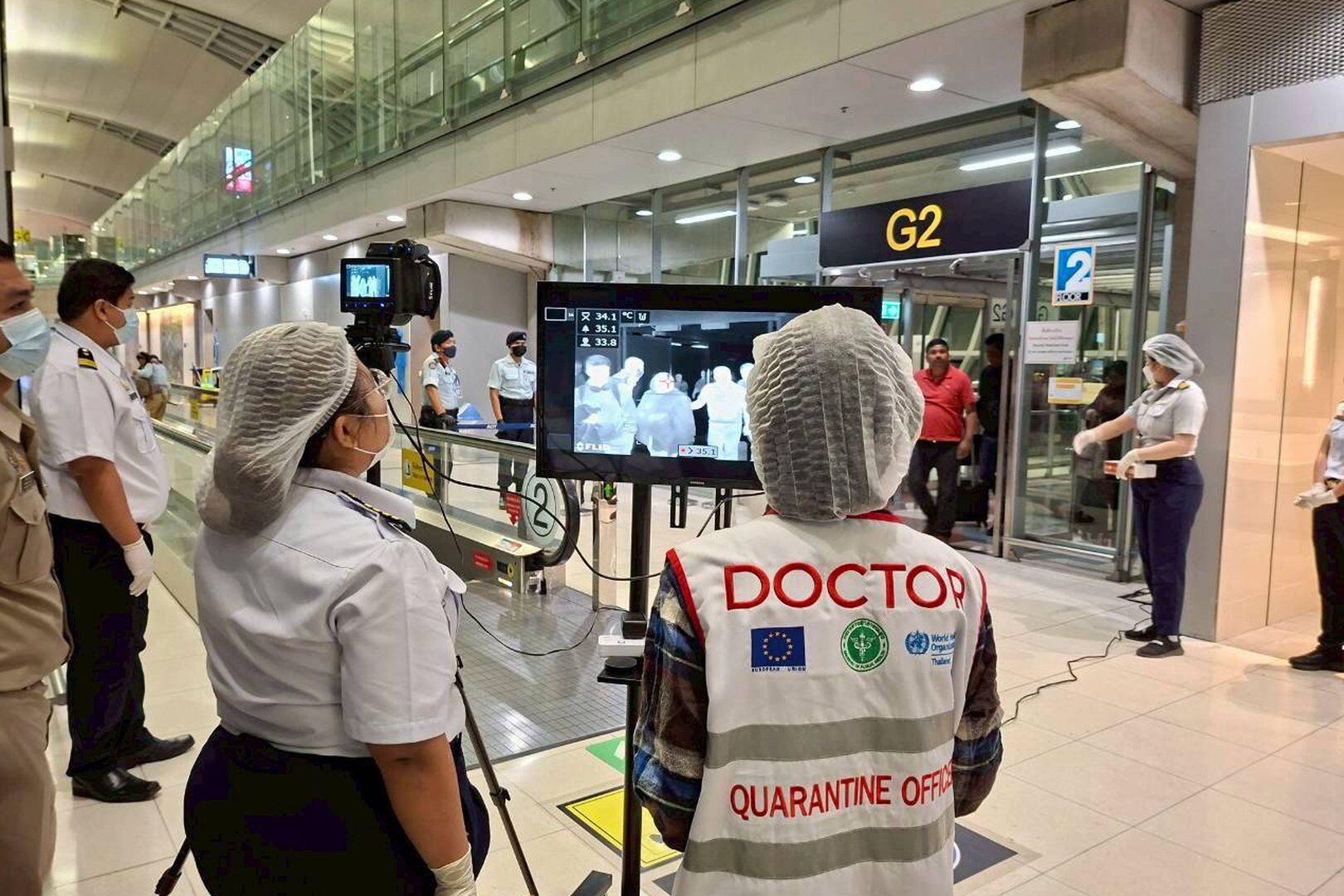
Authorities have mandated enhanced surveillance at all airports, seaports, and land crossings. This structural enforcement includes 100% screening of all passengers, transit travelers, crew members, drivers, and support staff. Officials meticulously verify travel history for the past 21 days, irrespective of nationality, with particular focus on individuals arriving from high-risk or Nipah-affected regions. Hence, the comprehensive nature of this Pakistan Nipah screening strategy is evident.
All entrants undergo rigorous thermal screening and clinical assessment. Health staff are specifically trained to identify symptoms such as fever, headache, respiratory distress, and neurological signs. Suspected cases are immediately isolated and referred to designated hospitals under strict Infection Prevention and Control (IPC) protocols, ensuring a rapid and contained response.
The Translation (Clear Context)
The “Ministry of National Health Services, Regulations and Coordination” refers to Pakistan’s primary health governing body. Their directive signifies a top-level mandate for public safety. “Border Health Services (BHS) clearance” means medical approval from health professionals stationed at border points, ensuring every entrant meets specific health criteria. This is not merely a formality; it is a critical gatekeeping mechanism. The “WHO public health surveillance” provides an international framework and data baseline, informing Pakistan’s strategic response. “Infection Prevention and Control (IPC) protocols” are scientifically validated procedures designed to prevent the spread of infectious diseases within healthcare settings, ensuring that isolation and treatment are managed without further risk.
The Socio-Economic Impact
These fortified health measures directly influence the daily life of a Pakistani citizen, particularly travelers and their communities. For students or professionals requiring international travel, the enhanced screening may introduce minor delays; however, this inconvenience is calibrated against immense public safety benefits. It assures urban and rural households alike that the government is proactively managing external health threats, preventing potential economic disruptions from a widespread outbreak. For example, preventing a Nipah resurgence avoids overburdening healthcare infrastructure and safeguarding economic productivity. Ultimately, this approach stabilizes public confidence and secures communal well-being, representing an investment in human capital.
The “Forward Path” (Opinion)
This development undeniably represents a “Stabilization Move.” Pakistan is demonstrating robust systemic resilience in public health management, proactively safeguarding its population against global health vectors. It is a testament to disciplined governance and a forward-thinking health infrastructure. While not a dramatic “Momentum Shift” in overall development, it is a crucial consolidation of national security, preventing potential regression and allowing other developmental initiatives to proceed on a stable foundation. This strategic vigilance is a blueprint for national preparedness.

Global Health Landscape and Future Preparedness
The global response underscores the severity of the Nipah virus threat, which currently lacks an approved vaccine or specific treatment. Countries including Singapore, Hong Kong, Thailand, and Malaysia have also tightened airport screening, highlighting a collective international effort. Pakistan’s commitment extends to meticulous daily screening reports shared with the NCOC and the National IHR Focal Point. Furthermore, these critical measures will remain in force indefinitely, underscoring a long-term commitment to public health security and systemic efficiency. Any violation of IPC measures, including PPE use and sanitation, will be treated as serious negligence, reinforcing the gravity of these protocols.








