A significant Pakistan LNG crisis looms as Iran’s recent air strikes have severely impacted Qatar’s Ras Laffan Industrial City. This critical hub serves as the world’s largest liquefied natural gas (LNG) export facility and Islamabad’s primary gas source. Consequently, Pakistan faces potential prolonged interruptions in its energy imports, necessitating immediate strategic adjustments to national energy policy. This incident underscores the urgent need for diversified supply chains to bolster Pakistan’s energy security.
The Translation: Deciphering the Energy Disruptions
Pakistan specifically relies on Qatar for nearly 99 percent of its LNG supply, a structural dependency. Iran executed these strikes in direct retaliation for recent actions by Israel and the United States against its South Pars gas field. Notably, South Pars powers approximately 80 percent of Iran’s electricity. This retaliatory strike subsequently caused extensive damage to Ras Laffan, a key global energy asset.
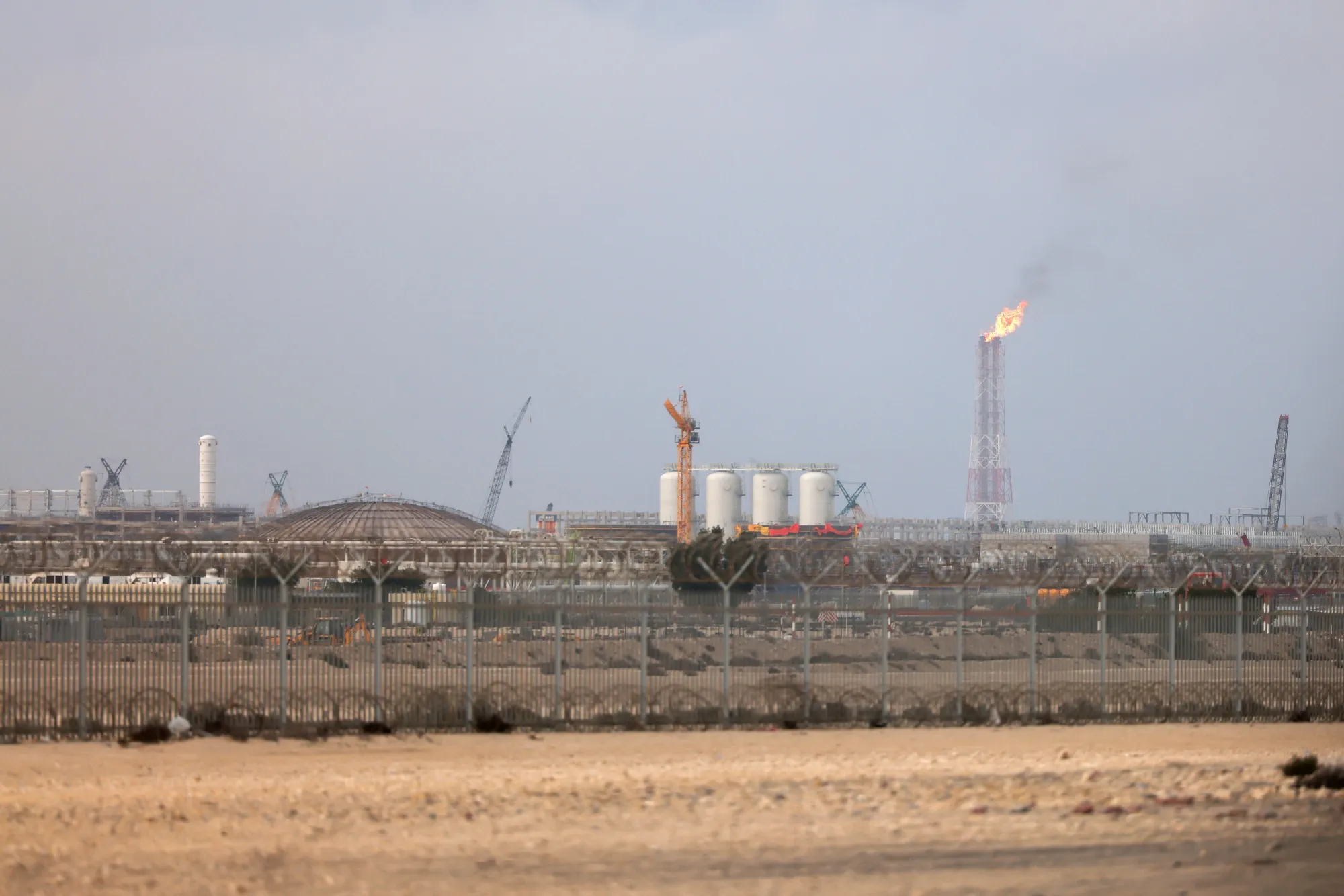
QatarEnergy, the state-owned energy giant, has already suspended its LNG production following the incident. Experts project that even after operations recommence, restoring normal export levels could require an additional 2-3 weeks. Furthermore, these regional tensions have already begun affecting vital energy shipping routes, including the strategically important Strait of Hormuz, through which a substantial share of global oil and gas trade flows. Therefore, the ripple effect extends beyond immediate supply concerns.
The Socio-Economic Impact: Daily Life and National Productivity
Should these supply disruptions persist, Pakistan faces calibrated risks. Citizens could experience increased electricity load-shedding and potential gas shortages. Industrially, reduced activity is a direct consequence of energy scarcity, impacting manufacturing and overall economic output. Pakistan’s profound reliance on a singular major LNG supplier severely limits its capacity to offset any shortfall through alternative international sellers.

This situation directly impacts the daily lives of Pakistani citizens. Students might face study interruptions due to power outages, while professionals could experience reduced productivity. Households in both urban and rural Pakistan will contend with energy rationing, potentially affecting essential services and domestic routines. Ultimately, the Pakistan LNG crisis translates into a tangible challenge for national stability and individual well-being.
The Forward Path: Strategic Response and Future Resilience
The federal government is diligently monitoring this evolving situation. The Petroleum Division, in collaboration with key officials from the Finance Ministry, is conducting daily meetings. Their objective is to consider emergency imports, implement strategic rationing, and adjust national energy usage patterns to meticulously manage demand. These proactive measures are essential to mitigate immediate impacts.
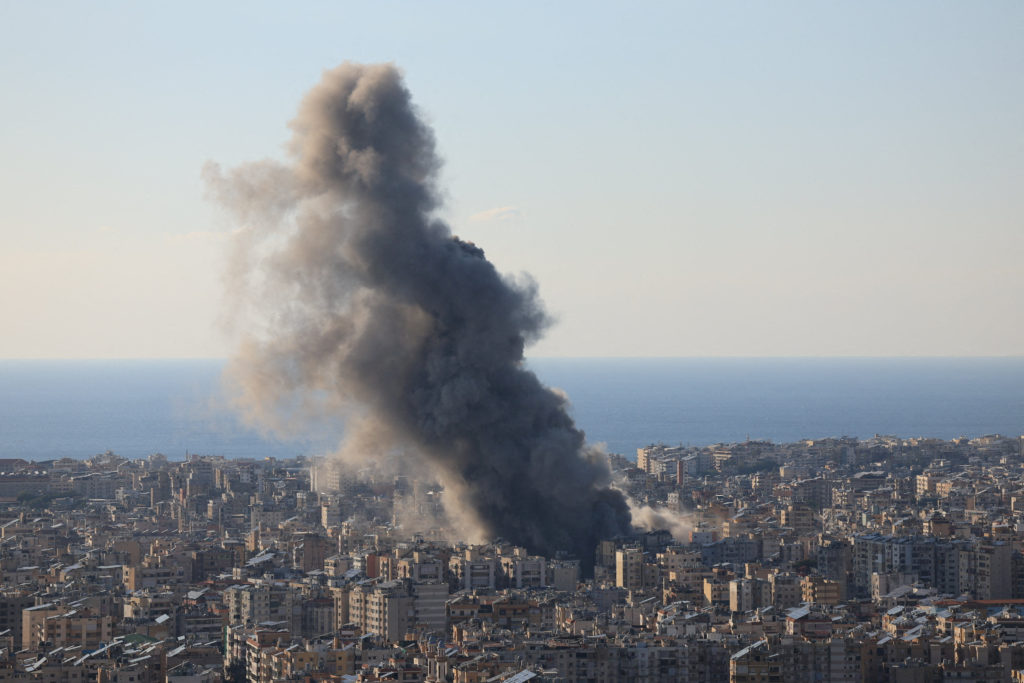
This development represents a Stabilization Move. While the immediate focus is on managing the current Pakistan LNG crisis, it inherently compels a reassessment of long-term energy strategy. The nation must pivot towards diversified energy portfolios and enhanced storage capacities to achieve greater systemic resilience. This incident serves as a catalyst for future-proofing Pakistan’s energy infrastructure against geopolitical shocks.
Broader Regional Repercussions
Other LNG-dependent nations, such as Bangladesh, are also anticipated to experience adverse effects. However, Pakistan emerges as one of the most vulnerable due to its constrained storage capacity and high dependence on imported gas. This regional vulnerability necessitates a collaborative approach to energy security among South Asian states. In contrast, robust regional frameworks could offer a collective buffer against such supply chain disruptions.