Calibrating Pakistan’s Fiscal Trajectory
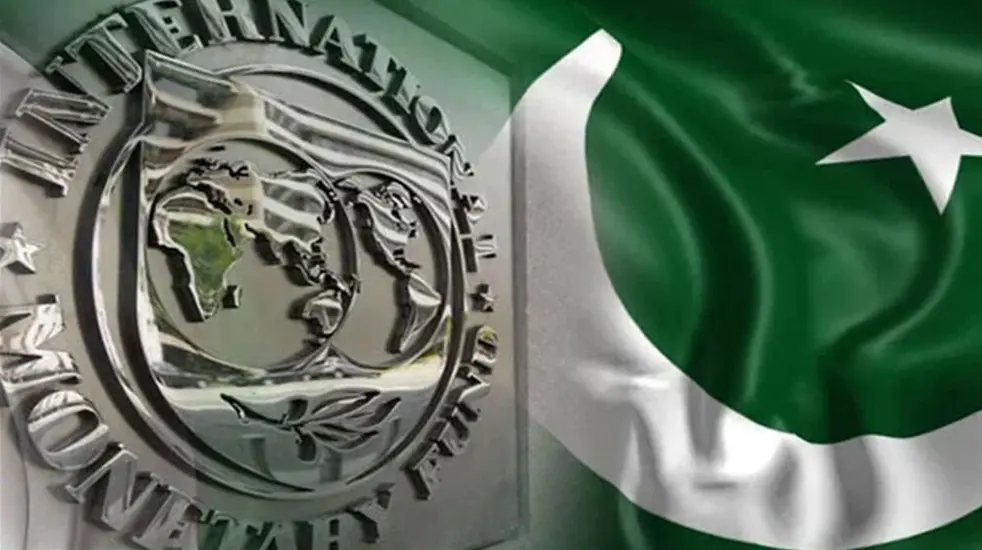
Pakistan’s economic team is strategically engaging with the International Monetary Fund (IMF) today in crucial virtual discussions. The core agenda focuses on structural reforms, fiscal management, and the ambitious Pakistan IMF talks PIA privatization plan. These deliberations are pivotal for bridging the fiscal gap, ensuring macroeconomic stability, and calibrating the nation’s financial trajectory. This focused dialogue directly impacts Pakistan’s future economic resilience.
The Translation: Decoding Key Economic Dialogues
These high-level virtual discussions represent a critical juncture in Pakistan’s economic reform journey. The economic team is engaging with the IMF delegation to meticulously review key policy areas. This includes precision planning for fiscal management and the structural overhaul of state-owned enterprises (SOEs). Furthermore, the talks will address the implementation framework of the SOEs Act and the strategic utility of Sovereign Wealth Funds. Consequently, these detailed deliberations aim to establish robust financial baselines and operational efficiencies.
- Fiscal Management: Developing precise strategies for revenue generation and expenditure control.
- Privatization Program: Assessing the current status of the government’s ambitious privatization plan for public sector institutions, including Pakistan International Airlines (PIA).
- SOE Act Implementation: Ensuring a standardized and efficient framework for state-owned enterprises.
- Sovereign Wealth Funds: Exploring mechanisms for strategic investment and national asset management.
Socio-Economic Impact: Precision Planning for Public Benefit
Bridging the Fiscal Gap: Direct Impact on Citizens
The proposed strategies to bridge the fiscal gap are directly consequential for every Pakistani citizen. A stable macroeconomic environment, underpinned by prudent revenue and expenditure measures, translates into predictable economic conditions. Consequently, this influences inflation rates, job creation, and the availability of essential services. For instance, a stronger fiscal position can stabilize commodity prices, directly benefiting households and professionals in both urban and rural Pakistan. The structural reforms discussed, particularly concerning SOEs like PIA, aim to reallocate resources more efficiently. This could potentially free up funds for critical public services and infrastructure development.

The Forward Path: Momentum Shift or Stabilization Move?
This current round of IMF talks signifies a pivotal “Stabilization Move.” The consistent engagement with the IMF underscores a national commitment to fiscal discipline and structural reform. While immediate transformative shifts are not the primary objective, these discussions lay the foundational architecture for long-term economic resilience. Precision in fiscal planning and the strategic divestment of inefficient assets are critical catalysts for future growth. The measured progress in these Pakistan IMF talks indicates a calibrated effort to fortify Pakistan’s economic baseline, thereby preparing for a future “Momentum Shift” towards sustainable prosperity.