The Indus AI Summit 2026 has strategically propelled Pakistan towards establishing its own formidable Pakistan AI ecosystem. This pivotal event transitioned national AI aspirations into concrete actions, setting precise policy direction, securing crucial international partnerships, and cementing robust government commitments. Furthermore, a substantial $1 billion investment and comprehensive education reforms signal a calibrated national priority for Artificial Intelligence, moving beyond conceptual discussions to structural implementation within the nation’s digital framework.
Strategic Blueprint: The Translation of AI Vision into Action
The recent Indus AI Summit 2026, orchestrated by the Ministry of Information Technology and Telecommunication in Islamabad, marked a significant pivot. Previously, Pakistan’s AI approach was characterized by long-term ambition. Consequently, this summit refocused efforts, embedding AI at the core of Pakistan’s economic, governance, and workforce strategies. The announcement of new funding, coupled with targeted education reforms and national AI governance principles, signifies AI’s elevation to a core national priority.
A key outcome emerged with the unveiling of the Islamabad Declaration. This national framework offers calibrated guidance for how Pakistan will develop, govern, and deploy artificial intelligence. Specifically, the declaration prioritizes sovereign control of data, advocates for accountable and ethical AI use, and outlines practical implementation across both government and industry. This provides Pakistan with a clear, structural roadmap for pervasive AI adoption.

Calibrated Growth: Socio-Economic Impact on Pakistani Citizens
This initiative directly addresses the daily lives of Pakistani citizens across various sectors. Prime Minister Muhammad Shehbaz Sharif announced a landmark $1 billion investment in AI by 2030, which will support sovereign compute infrastructure and advanced research. This financial commitment acts as a critical catalyst for technological self-reliance, enhancing national capabilities.
Moreover, the government will introduce AI education into federal schools, ensuring foundational digital literacy for the next generation. Access will extend to previously underserved regions, including AJK, Gilgit-Baltistan, and Balochistan, fostering inclusive technological advancement. Furthermore, the commitment to fund 1,000 PhD scholarships in AI and train one million non-IT professionals in AI skills will dramatically improve productivity across diverse sectors, creating a highly skilled workforce ready for the digital economy.
Minister for IT and Telecommunication Shaza Fatima Khawaja emphasized that tangible implementation is already underway. Initiatives such as full e-office adoption across federal divisions streamline government operations, boosting efficiency. The development of high-performance computing infrastructure provides the baseline for advanced AI applications. Additionally, international partnerships play a crucial role, accelerating Pakistan’s AI capacity and global credibility.


The Forward Path: A Momentum Shift for National Advancement
This development undeniably represents a Momentum Shift for Pakistan. The strategic integration of Artificial Intelligence at a national level, backed by significant investment and a clear policy framework, moves beyond mere maintenance. It establishes a robust trajectory for sustained innovation and economic diversification.
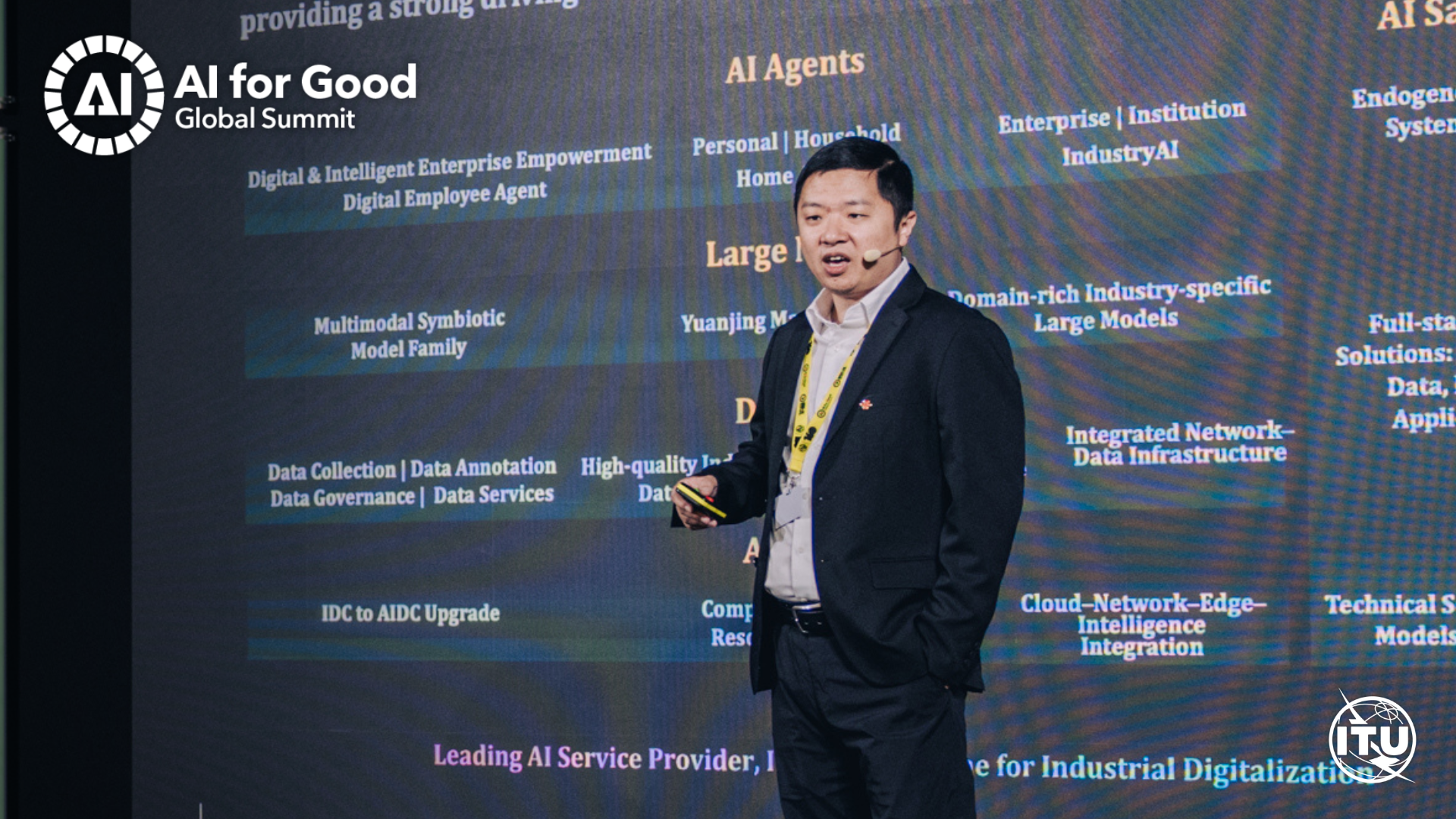
The summit featured a diverse array of senior international and local speakers, including technology policymakers, academic experts, and private-sector leaders from Pakistan, the Middle East, Europe, and East Asia. Their discussions focused on critical areas such as AI governance, sovereign data systems, financing national AI infrastructure, and building competitive AI ecosystems. These dialogues provide crucial intellectual capital for the nation’s progress.
The event concluded with a clear roadmap discussion for next steps, followed by the launch of Indus AI Week, extending through February 15. This week includes public exhibitions, focused student engagement, and startup-focused activities at the Islamabad Sports Complex. Ultimately, these efforts aim to broaden awareness and provide hands-on exposure to cutting-edge AI technologies, solidifying Pakistan’s foundational steps into an AI-powered future.