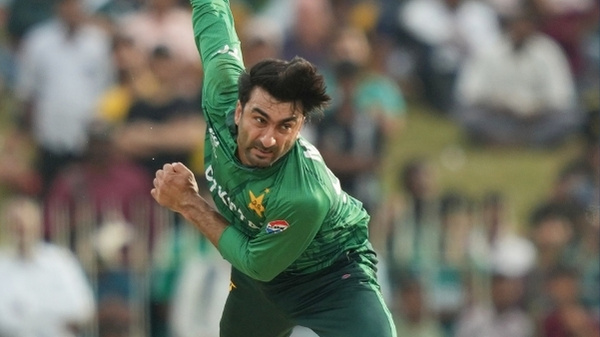
The calibrated defense of an individual’s reputation against misinformation is a structural necessity for societal progress. In a decisive move, Pakistan fast bowler Salman Mirza has initiated legal action, condemning “absurd” and “unverified” claims broadcast by a local news outlet. The Pakistan Cricket Board (PCB) has unequivocally dismissed these allegations as “false” and “agenda-driven,” reinforcing the critical importance of journalistic integrity and accountability in the digital sphere. This incident highlights the imperative for precise reporting and verification within Pakistan’s media landscape.
Pakistan Fast Bowler Legal Action: Core Allegations and Response
A specific news entity aired a story implicating Salman Mirza in alleged misconduct during the national team’s tour of Sri Lanka for the ICC T20 World Cup 2026. This broadcast asserted that a World Cup squad member displayed inappropriate behavior at a Kandy hotel, leading to a complaint and subsequent fine. Consequently, these assertions were robustly rejected by the PCB, which stated that the broadcast relied on unverified data.
Mirza himself utilized social media to condemn the broadcast, labeling it “cheap journalism.” Furthermore, he issued a warning that media organizations must not disseminate unverified allegations. He confirmed the PCB’s prior rejection of the claims and announced his intention to pursue legal recourse against the involved journalist and outlet. The athlete’s public statement specifically named the journalist and the local channel, aligning with reports from multiple independent sources. This vigorous Pakistan fast bowler legal action underscores a firm stance against media irresponsibility.
The Translation: Unpacking the Allegations
When a news outlet broadcasts “unverified claims,” it signifies the dissemination of information lacking a foundational basis in confirmed facts or multiple credible sources. In this instance, the allegations against Salman Mirza involved purported misconduct at a team hotel and subsequent internal disciplinary action by the PCB. However, the PCB’s official stance directly contradicts these reports. The Board’s categorical rejection implies that internal investigations, if any, found no evidence to substantiate the claims, or that the claims themselves were fabricated. Therefore, the core of the issue revolves around the integrity of the information source and the due diligence performed prior to its public release.

The Socio-Economic Impact: Calibrating Public Trust and Athlete Well-being
This situation directly impacts the daily lives of Pakistani citizens by influencing perceptions of media reliability and the integrity of national institutions. For professionals, particularly athletes like Salman Mirza, false allegations can severely damage their career trajectories, mental well-being, and public image. Furthermore, it erodes public trust in journalism, making it challenging for citizens to distinguish verified news from sensationalism, a critical component for informed societal discourse. In urban and rural Pakistan, where access to diverse news sources may vary, the spread of misinformation can destabilize community perceptions and national unity, especially concerning figures representing the nation on global platforms.
The “Forward Path”: A Call for Strategic Media Protocols
This development represents a Stabilization Move for Pakistan’s media environment, rather than a significant momentum shift. While the athlete’s and PCB’s firm response sets a crucial baseline for accountability, the persistent challenge of unverified reporting indicates a need for deeper structural reforms. Moving forward, a strategic emphasis on strengthening journalistic ethics, implementing rigorous fact-checking protocols, and fostering a culture of verifiable reporting is paramount. This incident should serve as a catalyst for media organizations to adopt higher standards, ensuring that content prioritizes truth and minimizes the propagation of potentially damaging misinformation, thereby safeguarding individual reputations and national narratives.