
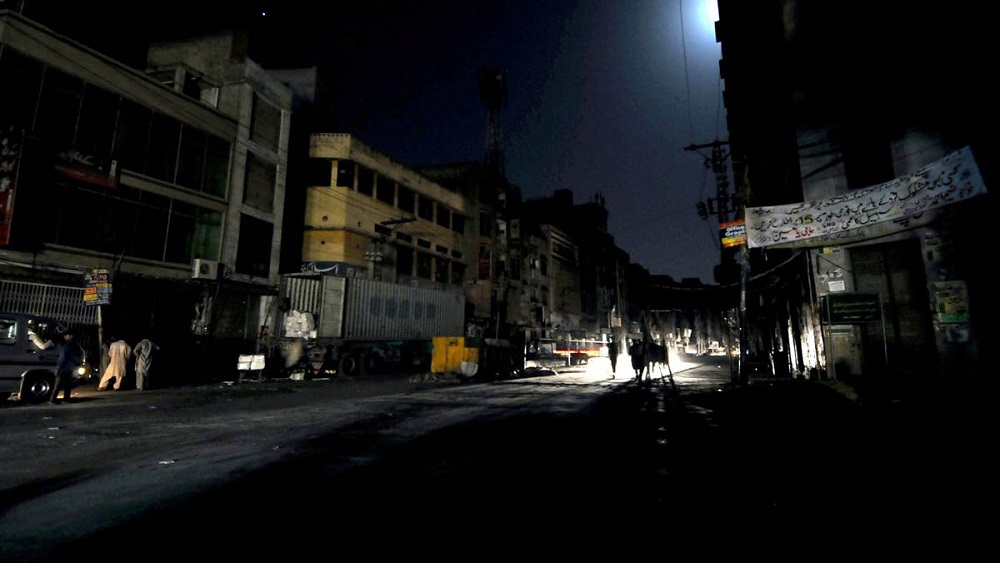
Pakistan is confronting an imminent Pakistan power shortfall this summer, mandating strategic interventions to stabilize the national energy grid. Due to critical Liquefied Natural Gas (LNG) supply disruptions, intensified by Middle Eastern geopolitical tensions, and constrained domestic and imported coal availability, the government is poised to implement a combination of rolling blackouts, mandatory conservation protocols, and calibrated electricity tariff adjustments. This proactive, albeit challenging, response aims to manage an anticipated peak demand of 27,000 to 28,000 megawatts, heavily relying on expensive furnace oil as an interim fallback fuel.
The Translation: Deconstructing Pakistan’s Energy Imperative Amidst Shortfall
Pakistan’s energy matrix faces a critical vulnerability. LNG, historically contributing over one-fifth of the nation’s electricity generation, is projected to fall to near-zero imports by next month. Furthermore, both imported and domestic coal, collectively supplying nearly 30% of the power mix, also confront significant supply limitations. This precipitous decline in primary fuel sources mandates the government to deploy more expensive alternatives, recalibrating the national energy strategy.
Consequently, furnace oil, priced at approximately Rs. 35 per unit in February (compared to Rs. 20 for LNG and Rs. 13.5 for coal), becomes a primary, albeit economically burdensome, stopgap. Officials note further price surges for furnace oil, directly linked to disruptions within the Strait of Hormuz and recent attacks on Middle Eastern refineries. This structural shift in fuel reliance elevates operational costs significantly.
Approximately 5,000 megawatts of capacity from four of the country’s most efficient LNG-based power plants may remain underutilized. This systemic inefficiency elevates projected fuel cost adjustments by an estimated Rs. 10 to Rs. 12 per unit. Consequently, such increases present a formidable challenge to fully transfer onto consumers, particularly impacting export-oriented industries that are crucial for economic stability.
Calibrating Fuel Alternatives and Grid Stability
High-speed diesel (HSD) is deemed economically unfeasible for electricity generation, now estimated to exceed Rs. 80 per unit. Its prohibitive cost, coupled with robust demand from the transport and agriculture sectors during the harvest season, precludes its strategic use for power. The National Electric Power Regulatory Authority (NEPRA) anticipates average daily load-shedding of two to three hours, contingent on fluctuating fuel availability. This systemic adjustment is coupled with stricter conservation protocols and amplified charges via the fuel cost adjustment mechanism.
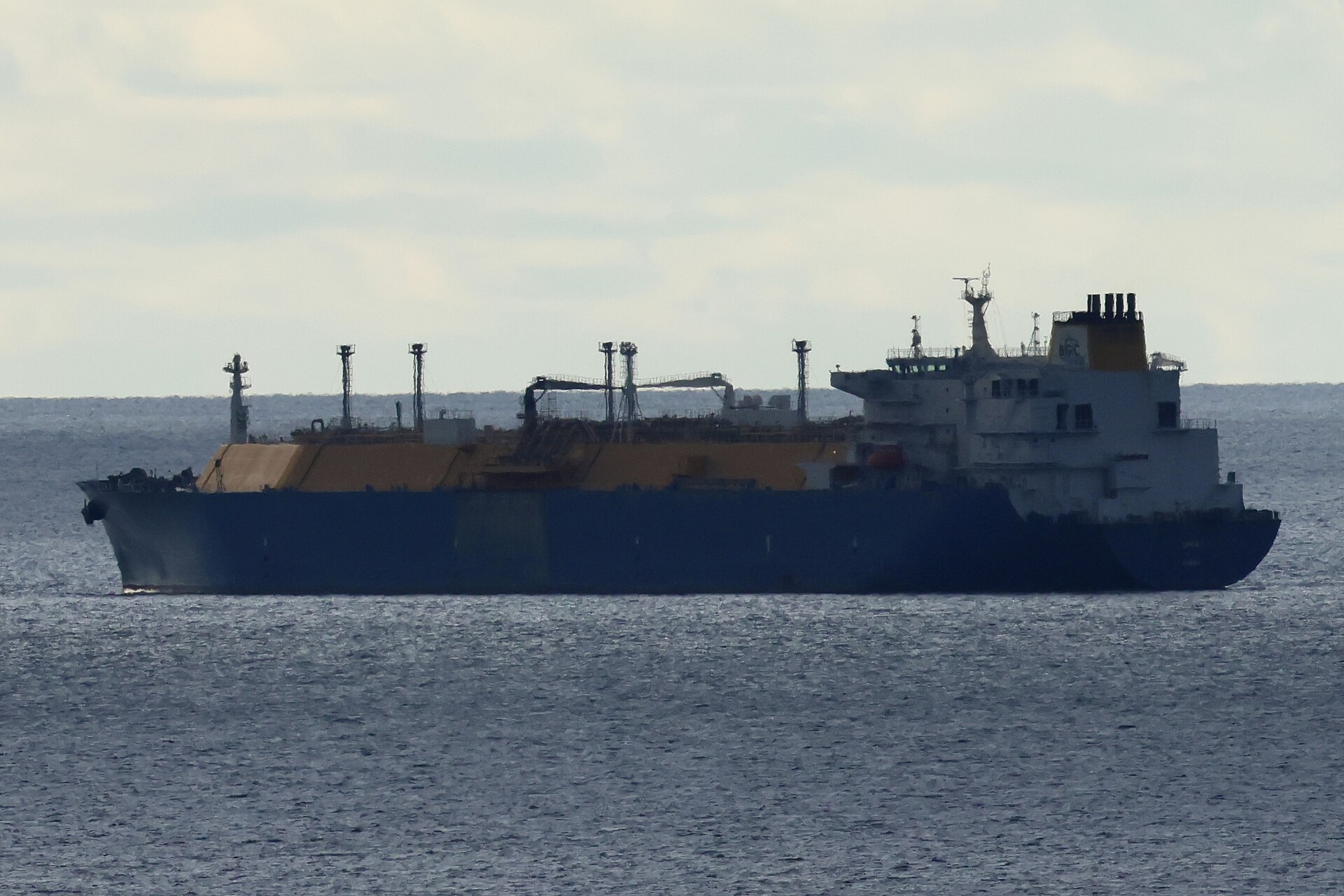
Moreover, gas availability for power generation is tightening structurally. Supplies are expected to drop to approximately 80 million cubic feet per day from April, a significant reduction from roughly 150 mmcfd in March. Authorities are strategically considering suspending gas supply to compressed natural gas stations and diverting a portion of the fertilizer sector’s allocation to prioritize power generation, a critical re-evaluation of national resource distribution.
Furthermore, critical disputes between Pakistan Railways and two major coal-fired plants, Sahiwal and Jamshoro, threaten an additional 1,500 to 1,800 megawatts of generation capacity. These facilities, currently producing 1,500 to 2,000 megawatts, are pivotal for grid stability, especially Sahiwal due to its proximity to major demand centers. Limited fuel inventories (sufficient for only three to seven days) at these plants risk triggering another 2.5 to 3 hours of load-shedding, indicating a structural vulnerability in logistics.
The rail transport disruptions have explicitly prevented coal loading for the Sahiwal plant and limited wagon availability for Jamshoro. While Jamshoro has secured regulatory approval to shift coal transport to trucking, Sahiwal is still in the tendering phase. This operational pivot is expected to raise generation costs and, consequently, consumer tariffs, underscoring the systemic inefficiencies in infrastructure coordination.
The Socio-Economic Impact: Repercussions on Daily Life and Pakistan Power Shortfall
This evolving energy landscape directly impacts every Pakistani citizen. Households will experience **increased electricity tariffs** due to reliance on costlier furnace oil and higher fuel cost adjustments, a direct consequence of the Pakistan power shortfall. Students and professionals will contend with scheduled **load-shedding**, disrupting academic pursuits and business operations, particularly in urban centers where electricity demand is highest. This necessitates calibrated planning for daily routines.
Rural Pakistan, already facing energy vulnerabilities, might experience extended outages affecting agricultural activities reliant on tube wells and processing units. Small and medium enterprises (SMEs) will face substantial operational hurdles, potentially stifling economic growth and employment. The increased cost of doing business could consequently lead to inflationary pressures across various sectors. Conversely, increased rooftop solar adoption presents a decentralized solution, mitigating daytime grid demand. However, the evening peak remains a critical challenge, underscoring the urgent need for robust, long-term energy planning to safeguard household budgets and economic stability.

The “Forward Path”: Momentum Shift or Stabilization Move for Pakistan’s Power Sector?
This current response represents a **Stabilization Move** rather than a Momentum Shift. While immediate measures like load-shedding and tariff adjustments are necessary to manage the acute Pakistan power shortfall, they are inherently reactive rather than transformative. The persistent reliance on expensive furnace oil, coupled with unresolved logistical bottlenecks in coal supply, highlights systemic inefficiencies and a critical lack of diversified, resilient energy infrastructure. This reactive stance prevents the establishment of a truly robust baseline.
A true Momentum Shift would involve strategic, calibrated investments in indigenous renewable energy sources, accelerated grid modernization initiatives, and the establishment of robust, predictable fuel supply chains insulated from geopolitical volatilities. Policymakers must transcend stopgap solutions to implement a precision-engineered, long-term energy strategy that ensures both affordability and uninterrupted supply, thereby catalyzing national advancement and economic resilience.









