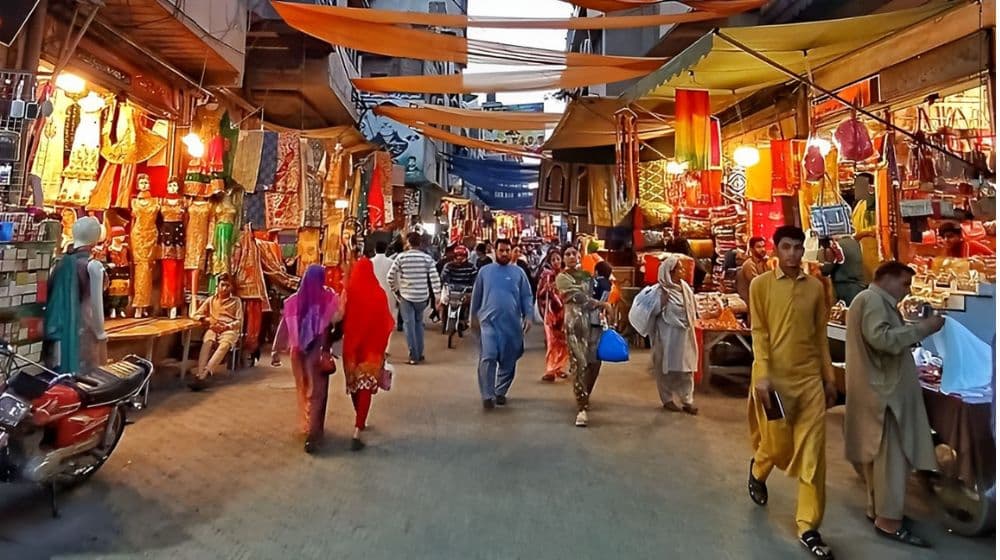
To calibrate national energy expenditure, the Pakistani government is strategically implementing new fuel conservation policies, including a critical directive for early market closures at 8:00 p.m. starting April 6. This structural adjustment, designed to shift commercial activity to daytime hours, directly addresses the escalating global fuel prices driven by geopolitical tensions. Furthermore, the government has announced a significant increase in petrol and diesel costs, a necessary yet challenging measure to stabilize national fuel supply amidst unprecedented market dynamics.
Understanding the Strategic Imperative: The Translation
The government’s decision to mandate early market closures and increase fuel prices is a calibrated response to a complex global energy landscape. Geopolitical conflicts involving Iran, the United States, and Israel have catalytically disrupted international fuel supplies, consequently driving prices to historic highs. This policy aims to mitigate the nation’s vulnerability by systematically reducing electricity consumption through adjusted business hours, thereby conserving vital energy resources. The shift is not merely about closing shops; it is about re-engineering the daily energy consumption curve.
Socio-Economic Impact: Calibrating Daily Life in Pakistan
This dual-pronged policy—comprising market operational adjustments and increased fuel costs—will undeniably impact the daily operational rhythm of Pakistani citizens and businesses.
- For Businesses: Small and medium enterprises, particularly in retail and services, must adapt their peak hours to the earlier timeframe. This demands strategic operational adjustments to maintain revenue streams within condensed active hours.
- For Households: The sharp increase in petrol (Rs. 458.40/liter) and diesel (Rs. 520.35/liter) costs directly elevates transportation expenses for commuters and raises the operational costs for supply chains. Consequently, a new wave of inflation is anticipated, impacting the baseline cost of essential goods and services across both urban and rural Pakistan.
- For Energy Consumption: The policy aims to reduce peak electricity demand, which could lead to more stable power supply nationwide, a tangible benefit for all citizens.
Furthermore, prior austerity measures, such as closing schools on Saturdays and restricting government vehicle use, underscore a systemic effort to reduce the national energy footprint.

The Forward Path: A Stabilization Move for National Resilience
From an analytical perspective, these measures collectively represent a Stabilization Move rather than a fundamental Momentum Shift. While necessary for immediate energy conservation and fiscal prudence, they primarily address the symptoms of external market volatility rather than fostering long-term energy independence or systemic efficiency through indigenous resource development. The federal government’s consultative approach with provincial administrations, culminating in consensus from key leadership, establishes a critical baseline for unified national action. However, the path forward necessitates not just reactive austerity but proactive investment in diversified energy portfolios and robust infrastructure to build true national energy resilience against future global disruptions.