
Pakistan has strategically initiated a dedicated feeder shipping service, meticulously connecting Karachi Port with key trans-shipment hubs in Fujairah and Khorfakkan, UAE. This calibrated expansion, referred to as the Karachi UAE Shipping Link, fundamentally enhances global market access for Pakistani traders and significantly fortifies the nation’s maritime trade infrastructure. The new route acts as a pivotal catalyst for increased trade efficiency and supply chain resilience.
The Translation: Unpacking the New Maritime Corridor
The newly established feeder service, operated by Karachi Gateway Terminal (Private) Limited (KGTL) in partnership with Karachi Port Trust (KPT), directly links Pakistan’s primary port to critical regional logistical centers. Consequently, this creates a seamless conduit for international trade. Maritime Affairs Minister Junaid Anwar Chaudhry confirmed the commencement of regular operations, highlighting the strategic importance of this development for direct trans-shipment.
Specifically, the first feeder ship arrived at Karachi Gateway Terminal on March 11, marking an operational baseline. This service integrates Karachi with two major UAE trans-shipment points. Therefore, Pakistani importers and exporters now possess dependable access to expansive global container shipping networks.
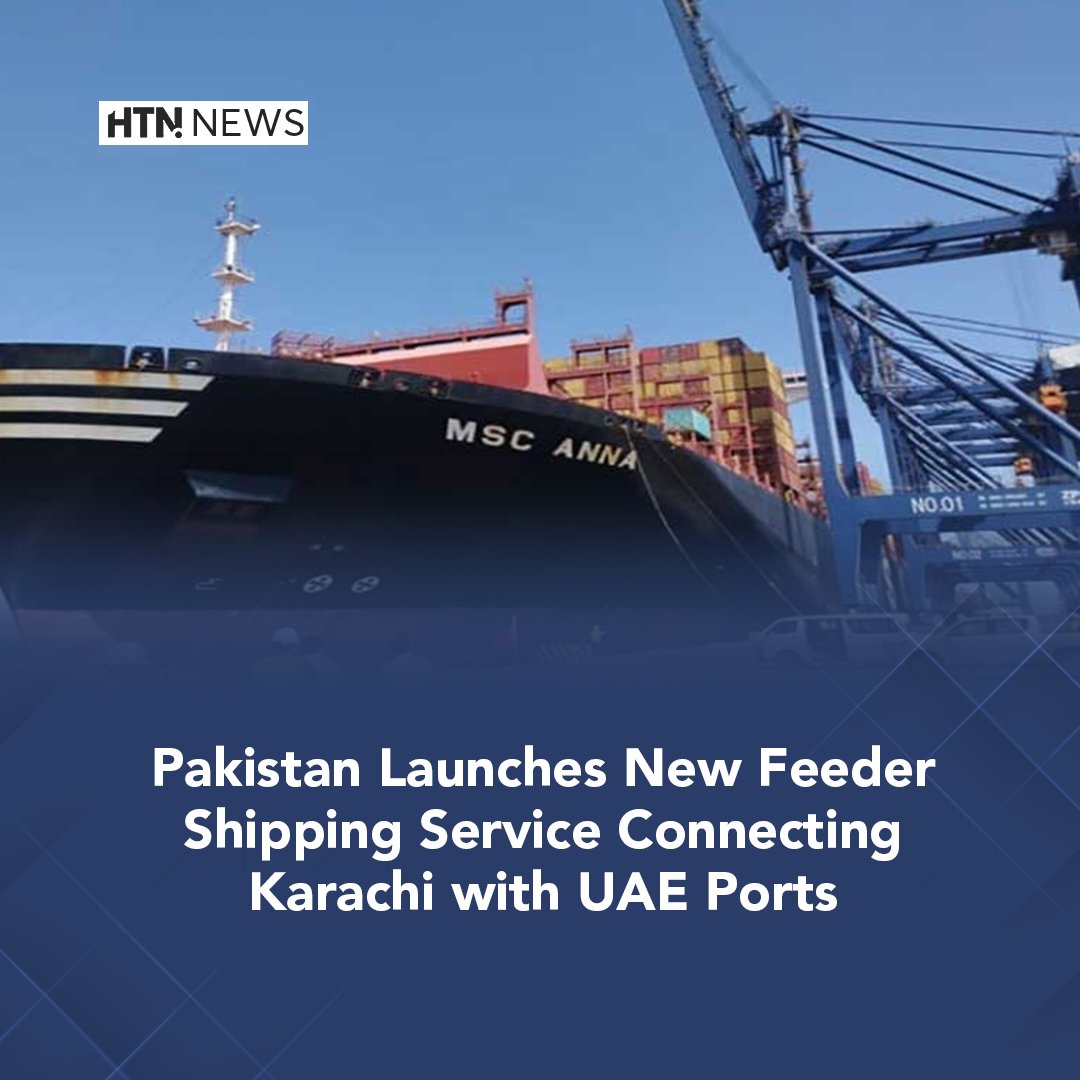
The service consistently calls at KGTL, which operates under Noatum Ports, AD Ports Group’s international arm. This structural integration supports rigorous supply chain continuity, ensuring Pakistan’s trade maintains robust access to international markets without undue friction. Furthermore, cargo routed through Fujairah and Khorfakkan benefits from advanced UAE logistics infrastructure, including integrated road and rail corridors for efficient container transfer.
The Socio-Economic Impact: Calibrating Daily Life for Pakistanis
This enhanced maritime connectivity directly impacts the daily lives of Pakistani citizens through several critical channels. For students and professionals, a more efficient import-export ecosystem means greater availability of goods, potentially at more stable prices, and expanded opportunities in logistics, trade, and related industries. Consider, for example, the streamlined access to essential raw materials for manufacturing, which can stabilize local production and employment.
For households in both urban and rural Pakistan, this robust shipping link translates into improved accessibility of international products and reduced lead times for imported goods. This efficiency minimizes the risk of supply chain disruptions, which historically have impacted commodity prices and availability. Khurram Aziz, CEO of KGTL, emphasized that connecting Karachi directly with major UAE trans-shipment hubs provides reliable access to global shipping networks, benefiting the entire trading community and, by extension, consumers nationwide.

Shahid Ahmed, Chairman of Karachi Port Trust, affirmed that the new service significantly enhances Karachi Port’s connectivity with regional hubs. This structural improvement directly supports Pakistan’s burgeoning trade needs, creating a more dynamic and responsive economic environment. Consequently, the nation’s reliance on maritime trade gains additional resilience for exporters, importers, and the broader supply chain.
The Forward Path: A Momentum Shift for National Advancement
This new Karachi UAE Shipping Link definitively represents a Momentum Shift for Pakistan’s economic advancement. It is not merely a stabilization move; rather, it is a strategic calibration designed to elevate the nation’s position within global trade networks. By securing direct access to vital trans-shipment hubs, Pakistan is proactively strengthening its supply chain, fostering greater economic predictability, and unlocking new capacities for growth.
The disciplined execution of this initiative underscores a commitment to precision in national infrastructure development. This structural enhancement will serve as a foundational element for future trade expansions, reinforcing Pakistan’s role as a critical participant in regional and international commerce. We anticipate this strategic link will yield compounding benefits, propelling sustainable progress across various economic sectors.









