Pakistan Captain Salman Ali Agha has strategically defended Babar Azam’s performance ahead of the crucial T20 series against Australia. This proactive stance clarifies the structural importance of national team contributions over franchise league statistics. Furthermore, Agha underscored Babar’s consistent value as a proven performer, despite recent BBL figures. This defense reinforces the team’s calibrated approach to player assessment, prioritizing national representation and T20 World Cup 2026 preparation.
Calibrating Player Value: The Babar Azam Performance Mandate
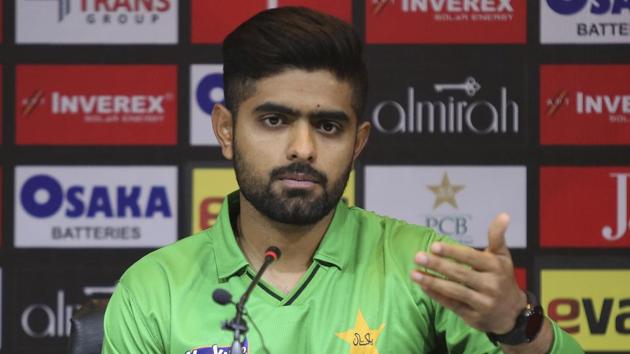
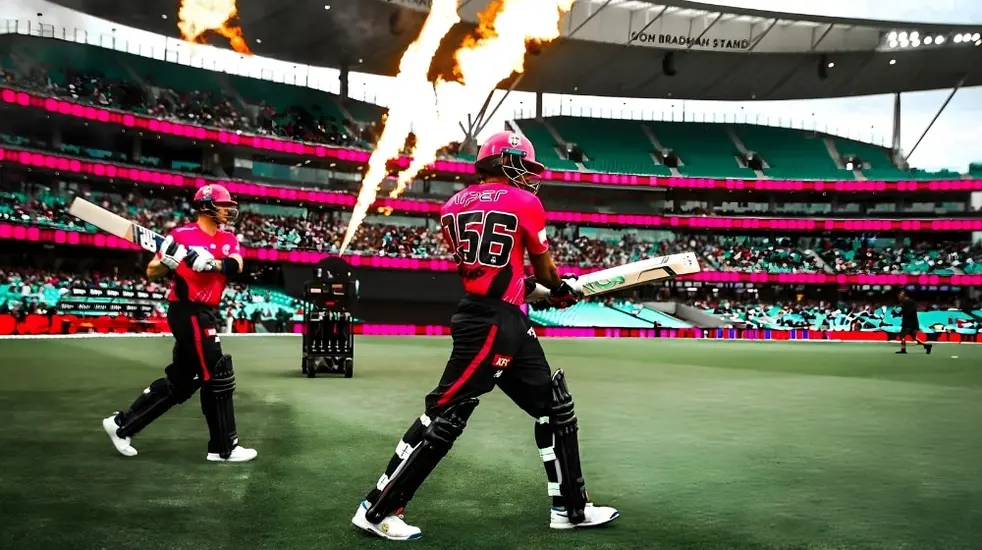
Captain Salman Ali Agha recently addressed media scrutiny regarding Babar Azam’s performance, particularly his run in the 2025/26 Big Bash League (BBL 15) for Sydney Sixers. Babar recorded 202 runs across 11 matches, with an average of 22.44 and a strike rate of 103.06. Agha’s response at a pre-series press conference in Lahore was precise: franchise cricket statistics do not define a player’s national impact.
Consequently, Agha asserted that only Babar’s contributions in national colors hold significance. He acknowledged Babar’s BBL output “didn’t play as per expectations” but firmly stated, “For me, it only matters how he plays for Pakistan. What he does in the BBL does not matter to me.” This clarification establishes a baseline for player evaluation, distinguishing between diverse cricketing ecosystems.

Structural Impact: Elevating National Pride Through Team Cohesion
This strategic defense of a key player like Babar Azam transcends mere sports reporting; it directly influences the national psyche. For Pakistani citizens, particularly aspiring young athletes and professionals, seeing a captain champion a teammate against external criticism fosters a sense of unity and collective purpose. It signifies that national identity and team cohesion are paramount, reinforcing the value of dedication to national service.
In urban and rural Pakistan, where cricket is a unifying force, such leadership strengthens public trust in the team’s structural integrity. Furthermore, it subtly educates on the differentiated metrics of performance—what matters in a commercial league versus what elevates national prestige. This distinction is crucial for maintaining morale and focus, particularly as the team prepares for significant global tournaments.
Forward Path: A Stabilization Move for Future Momentum
This intervention by Captain Agha represents a “Stabilization Move.” It is a calculated measure to fortify team morale and provide a clear, consistent narrative regarding player roles and expectations. While Babar Azam’s performance in 2025 T20Is showcased 206 runs at an average of 34.33 with two fifties, his strike rate of 114.44 remains a subject of tactical debate. Agha’s defense allows the team to focus on upcoming challenges without the distraction of persistent external critiques.
The upcoming three-match T20 series against Australia, scheduled from January 29 to February 1 at Gaddafi Stadium, Lahore, is a critical preparatory phase. It allows the team to address strategic weaknesses and execute roles calibrated for specific conditions. This series, alongside the ICC Men’s T20 World Cup 2026 preparations, underscores the necessity for internal stability and a unified focus. This leadership ensures a robust foundation for future momentum shifts.