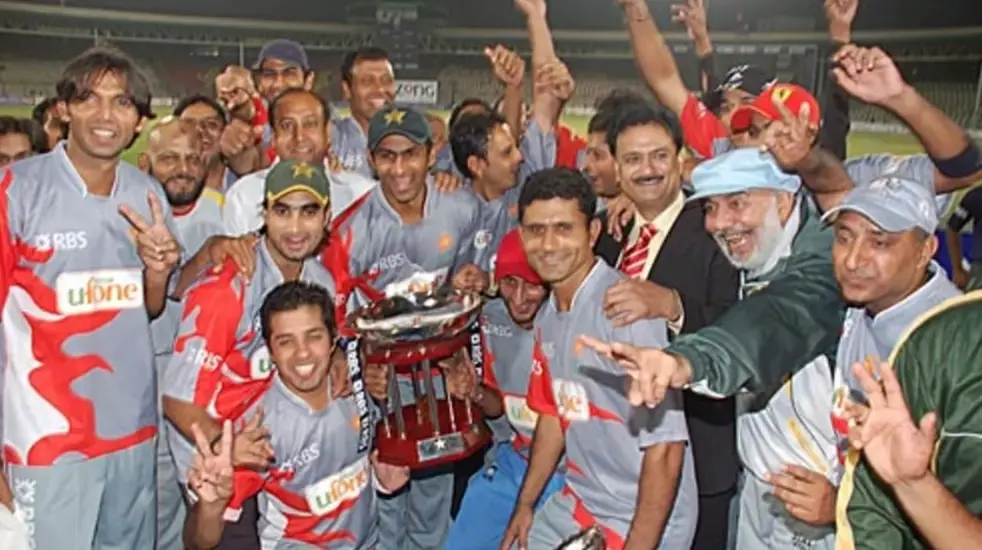
Understanding the core of Pakistan batting problems requires a systematic analysis, as revealed by batting coach Hanif Malik. He asserts that the national team’s performance deficits stem not from inherent talent deficiencies but from critical gaps in preparation, mental conditioning, and a fragmented development system. This structural misalignment prevents players from reaching their peak potential, impacting national cricket outcomes and player resilience under pressure.
Deconstructing the Performance Baseline: Addressing Pakistan Batting Problems
Hanif Malik’s expert perspective clarifies that Pakistan’s cricketers possess commendable skill and physical aptitude. Consequently, the persistent performance gaps, particularly in high-pressure scenarios, pinpoint deeper systemic issues behind Pakistan batting problems. Malik emphasizes that the core challenge lies in fostering consistency, structural support, and robust mental strength within the player development pipeline. Young players often exhibit initial brilliance but frequently fail to sustain growth at senior levels, largely due to distractions and the absence of structured, comprehensive preparation. He highlights a critical deficit in character-building and game awareness.
Furthermore, Malik utilizes advanced technology and data analytics to precisely identify individual player weaknesses. He maintains that while Pakistani cricketers match global standards in raw ability, their preparation protocols fall short. Unlike international counterparts who benefit from structured off-seasons for deliberate development, Pakistani players transition continuously between tournaments. This forces them to hone their skills under the intense scrutiny of international competition, rather than through calibrated, pressure-free environments.

Decision-making under pressure becomes paramount, especially considering that even elite batters achieve success approximately 30% of the time. While technical improvements can manifest swiftly, executing under immense pressure demands extensive time and unwavering self-belief. Moreover, Malik critiques the premature promotion of players to international cricket, often after a single strong Under-19 performance. This practice, he argues, is akin to expecting a foundational student to master advanced concepts without proper intermediate development. Over-hyping young talent creates undue psychological burdens, potentially leading to mental health challenges when expectations inevitably clash with reality. This fundamentally impacts team cohesion and individual player longevity.
Strategic Gaps in Middle Overs
A specific operational vulnerability identified by Malik is the team’s struggle during the middle overs—specifically overs 7-15 in T20s and 20-40 in ODIs. India and England, in contrast, demonstrate superior performance during these critical phases. This highlights a need for batters who possess the specific mental and technical fortitude to navigate these periods effectively. Malik concludes that a fundamental shift from short-term individual focus to long-term systemic development is essential for achieving sustainable national cricketing excellence.
The Socio-Economic Impact: Daily Life & National Advancement
The strategic challenges in Pakistan’s cricketing system extend beyond the stadium, influencing national morale and economic perceptions. For students and aspiring athletes in urban and rural Pakistan, a fragmented development pathway can deter investment in sports, redirecting talent away from professional cricket. Families often invest heavily in their children’s sporting ambitions; however, a system lacking structured growth and mental resilience training creates precarious career trajectories. This can lead to disillusionment and a perceived lack of meritocracy, diminishing the aspirational value of cricket as a viable profession.
Consequently, inconsistent national team performance affects broader economic sentiments. A strong, consistently performing national team acts as a powerful national brand ambassador, attracting international investment, boosting tourism, and fostering national pride. Furthermore, a robust cricketing infrastructure can create numerous employment opportunities, from coaching and sports science to administration and media. Conversely, systemic weaknesses not only impede player growth but also undermine these potential socio-economic benefits, impacting local businesses, media engagement, and the overall perception of Pakistan’s organizational capabilities on a global stage.
The Forward Path: Momentum Shift or Stabilization Move?
This assessment from Hanif Malik represents a critical Momentum Shift for Pakistan cricket. His diagnosis moves beyond superficial critiques to pinpoint fundamental structural and psychological impediments contributing to Pakistan batting problems. Acknowledging that talent exists but preparation is deficient provides a clear, actionable baseline for intervention. The call for patience and long-term planning, estimating a three-year timeline for tangible results, underscores the necessity of a paradigm shift rather than incremental adjustments. This approach signifies a move towards data-driven, systematic player development, departing from reactive, short-term solutions. Implementing Malik’s recommendations would establish a new, resilient foundation for player growth and consistent national performance. It is a strategic imperative for Pakistan to embrace this architectural transformation for sustained cricketing success.