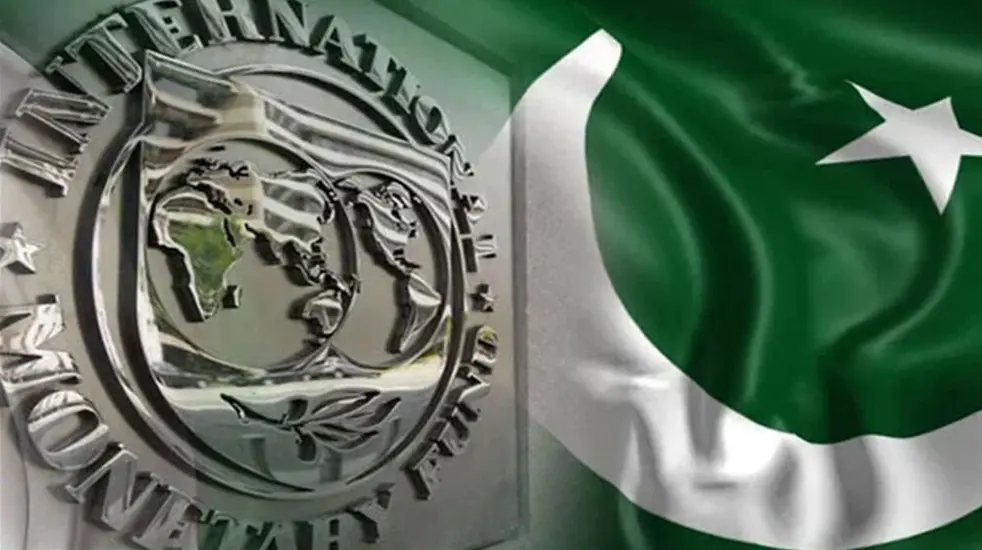
Pakistan has executed a calibrated financial strategy, attracting its most substantial net foreign inflows into sovereign bonds in 19 months. This critical development saw Pakistan bond inflows reach $176 million in January, a stark contrast to the $50 million net outflows experienced during the same period last year. Notably, 85 percent of this capital was strategically directed towards short-term bonds, indicating a focused approach to liquidity management and investor confidence. This influx aligns precisely with the Pakistani rupee’s sustained recovery, now demonstrating gains against the US dollar for an eighth consecutive month.
The Translation: Deconstructing Sovereign Debt Inflows
Understanding these significant bond inflows requires a precise deconstruction of financial jargon. Sovereign bonds represent government-issued debt instruments, essentially loans taken by the state from investors, both domestic and international. The recent surge, specifically into short-term bonds, signifies that global investors perceive Pakistan’s near-term economic stability as robust. Furthermore, it indicates a strong belief in the nation’s capacity to manage its fiscal obligations, making these short-duration investments particularly attractive. This inflow acts as a crucial injection of foreign currency into the national economy.

Socio-Economic Impact: Calibrating Daily Life for Pakistanis
How do these elevated Pakistan bond inflows translate into tangible benefits for the average Pakistani citizen? Firstly, strengthening foreign currency reserves contribute directly to the stability of the Pakistani rupee. Consequently, this mitigates imported inflation, making essential goods and services, such as fuel and medicines, more affordable. For students and professionals, a stable currency environment fosters greater predictability in economic planning, potentially leading to more favorable conditions for business investment and job creation. Moreover, increased foreign investment often signals a healthier economic outlook, encouraging both domestic and international entities to commit further capital to Pakistan’s development. Ultimately, this directly impacts household purchasing power and overall economic resilience.
Catalysts for Confidence: Currency Stability and Policy Continuity
Market analysts attribute this increased foreign participation to two primary factors: currency stability and improving macroeconomic indicators. BMI, a unit of Fitch Solutions, projects the rupee will remain around 280 per US dollar by 2026, anchoring long-term investor confidence. Government officials concurrently emphasize that policy continuity and strengthening external balances are pivotal. This structural consistency provides a predictable investment environment, which is paramount for attracting and retaining international capital. In contrast, economic volatility typically deters foreign interest, making the current trajectory a strategic advantage.

The Forward Path: A Momentum Shift for Fiscal Strength
This development undeniably represents a Momentum Shift for Pakistan’s fiscal health. The substantial influx of capital, particularly into short-term instruments, reflects a renewed and strategic trust in the nation’s economic management. It transcends mere maintenance; it is a clear indicator of progress. This shift is not accidental but the direct result of deliberate policy decisions focused on currency stabilization and structural economic reforms. Therefore, it establishes a stronger baseline for future growth, positioning Pakistan for enhanced financial resilience and expanded development opportunities on the global stage.