
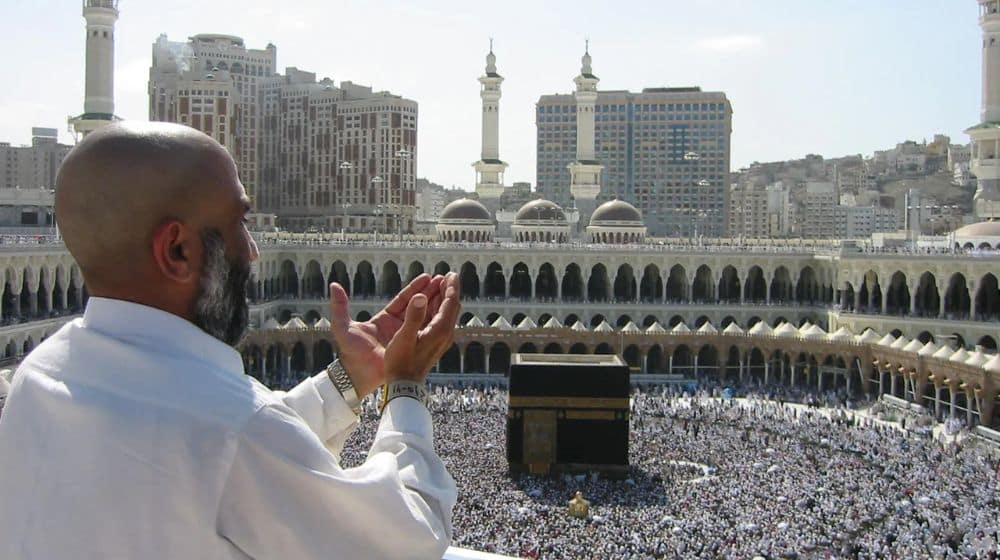
Pakistan Approves Hajj Policy 2026
Pakistan has officially approved its Hajj Policy 2026, meticulously aligning it with the latest guidelines from Saudi Arabia. Federal Minister for Religious Affairs and Interfaith Harmony, Sardar Muhammad Yousaf, recently confirmed this significant development. This comprehensive policy outlines crucial arrangements and ensures a streamlined process for Pakistani pilgrims embarking on their sacred journey. Understanding the various facets and implications of this policy is vital for all prospective travelers and their families, ensuring thorough preparation.

Key Details of the Hajj 2026 Quota Allocation
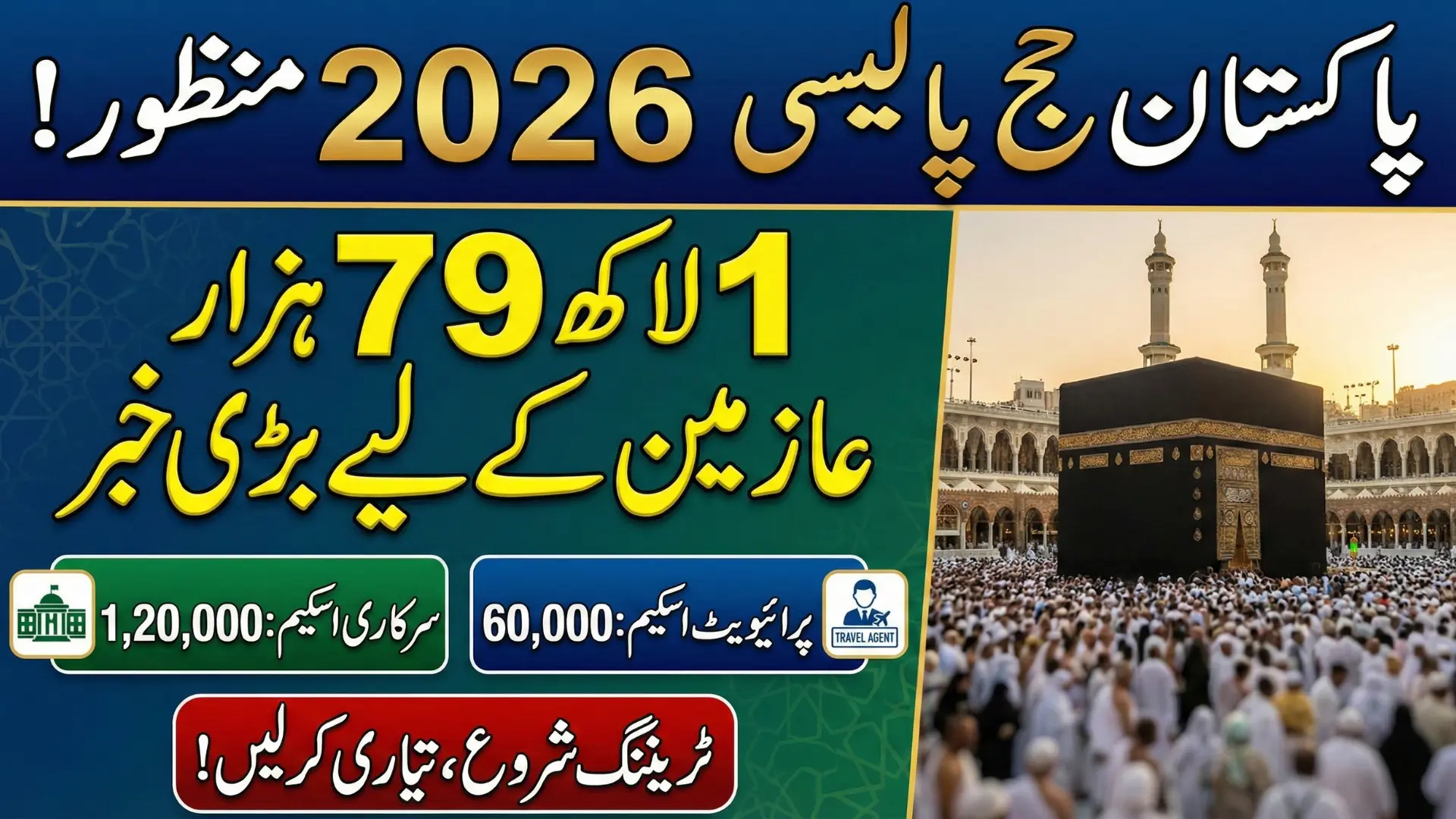
In a recent podcast interview with Radio Pakistan’s News and Current Affairs Channel, Minister Yousaf announced Pakistan’s confirmed total Hajj quota for 2026 stands at 179,210 pilgrims. This substantial allocation ensures broad access for prospective pilgrims from across the nation. Approximately 120,000 individuals will undertake the pilgrimage through the government scheme, reflecting a commitment to accessibility and organized travel. Conversely, around 60,000 pilgrims will utilize private Hajj operators, providing diverse choices and flexibility. Both avenues collectively ensure comprehensive options for citizens, facilitating their spiritual aspirations and easing their pilgrimage arrangements.

Mandatory Hajj Training and Road to Makkah Expansion
Preparation for Hajj 2026 is actively in full swing across Pakistan, ensuring pilgrims are exceptionally well-prepared for their journey. Mandatory training sessions are diligently being conducted in various districts, equipping pilgrims with essential knowledge, practical guidance, and spiritual insights for their sacred journey. Furthermore, the innovative Road to Makkah project is set to facilitate approximately 38,000 pilgrims traveling from Islamabad. This initiative allows participants to complete Saudi immigration procedures directly in Pakistan before their departure, significantly streamlining the travel process and reducing pre-departure stress for a smoother experience.
Currently, the “Road to Makkah” facility is operational in Islamabad and Karachi, successfully serving thousands of pilgrims annually. However, efforts are actively underway to extend this beneficial service to Lahore, aiming to serve an even wider demographic of pilgrims and enhance convenience across major cities. This planned expansion highlights the government’s unwavering commitment to enhancing the Hajj experience for all Pakistani citizens, making it more accessible, efficient, and spiritually enriching.
Ministry’s Broader Role: Interfaith Harmony and Minority Support
Beyond the arrangements for Hajj, Minister Yousaf underscored the ministry’s crucial role in fostering interfaith harmony across Pakistan. He affirmed that the Ministry of Religious Affairs actively provides a vital platform for all religious minorities to strengthen unity, enhance social cohesion, and promote mutual understanding and respect. In addition, the Constitution of Pakistan unequivocally guarantees equal rights for all minority communities, ensuring their protection, equitable treatment, and full integration into society, fostering a truly inclusive nation.
The government also extends significant support to minority communities through various impactful initiatives. For instance, scholarships are offered to children to promote education and empower the next generation. Funds are allocated for the rehabilitation of worship places, preserving cultural heritage, and financial assistance is provided to deserving individuals facing hardship, offering crucial relief. Moreover, minority communities benefit from specific job quotas and guaranteed representation in parliament. These comprehensive measures collectively aim to empower and uplift minority groups within Pakistan, promoting inclusivity, equality, and overall societal well-being across the nation.
Streamlining Zaireen Pilgrimages to International Holy Sites
In a related and important development, the Ministry of Religious Affairs has introduced a new, centralized system. This innovative platform is meticulously designed to streamline and organize pilgrimages by Zaireen to holy sites located in Iran and Iraq. Ultimately, this system aims to enhance the efficiency, safety, and overall experience of these important religious journeys, reflecting a profound commitment to pilgrim welfare, organized travel, and adherence to international protocols for religious tourism.








