A Strategic Calibrated Expansion: Pakistan Uzbekistan Trade Boost to $2 Billion
The strategic alignment between Pakistan and Uzbekistan is set to propel a significant Pakistan Uzbekistan Trade Boost, with both nations targeting an ambitious $2 billion trade volume. This critical initiative, underscored during the 10th session of the Pakistan-Uzbekistan Intergovernmental Commission, signifies a precise commitment to deepen economic cooperation and expand bilateral trade. Furthermore, this landmark agreement establishes a forward-looking roadmap spanning pivotal sectors including investment, transport, agriculture, energy, and technology. Ultimately, this collaboration aims to unlock new economic corridors and foster robust regional integration.
The Translation: Catalyzing Regional Economic Synergy for Pakistan Uzbekistan Trade Boost
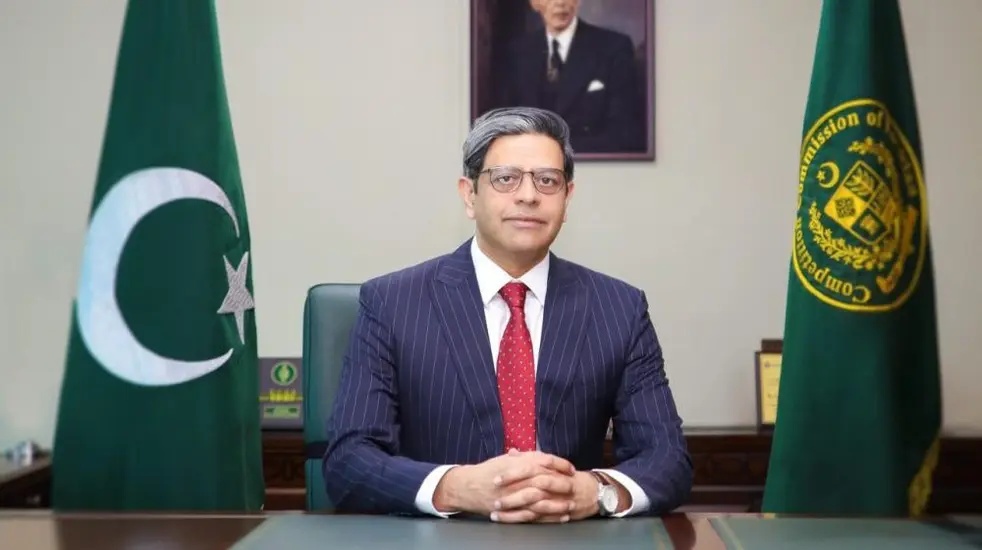
The recent Intergovernmental Commission session, co-chaired by Haroon Akhtar Khan and Laziz Kudratov, meticulously reviewed prior progress since 2025. Subsequently, a comprehensive strategy was formulated to accelerate trade efforts, catalyzing a broader Pakistan Uzbekistan Trade Boost across multiple sectors. Crucially, both nations emphasized the profound importance of the Preferential Trade Agreement, acknowledging significant advancements under its Phase II concessions. This agreement acts as a structural baseline for future commercial interactions.
Moreover, the commission committed to expediting institutional mechanisms, thereby enhancing trade volumes. This involves a multi-pronged approach: streamlining trade facilitation processes, fundamentally improving logistics infrastructure, and critically, advancing customs digitalization. Consequently, these precision-engineered measures are designed to bolster transit trade cooperation, establishing more efficient and reliable commercial pathways.
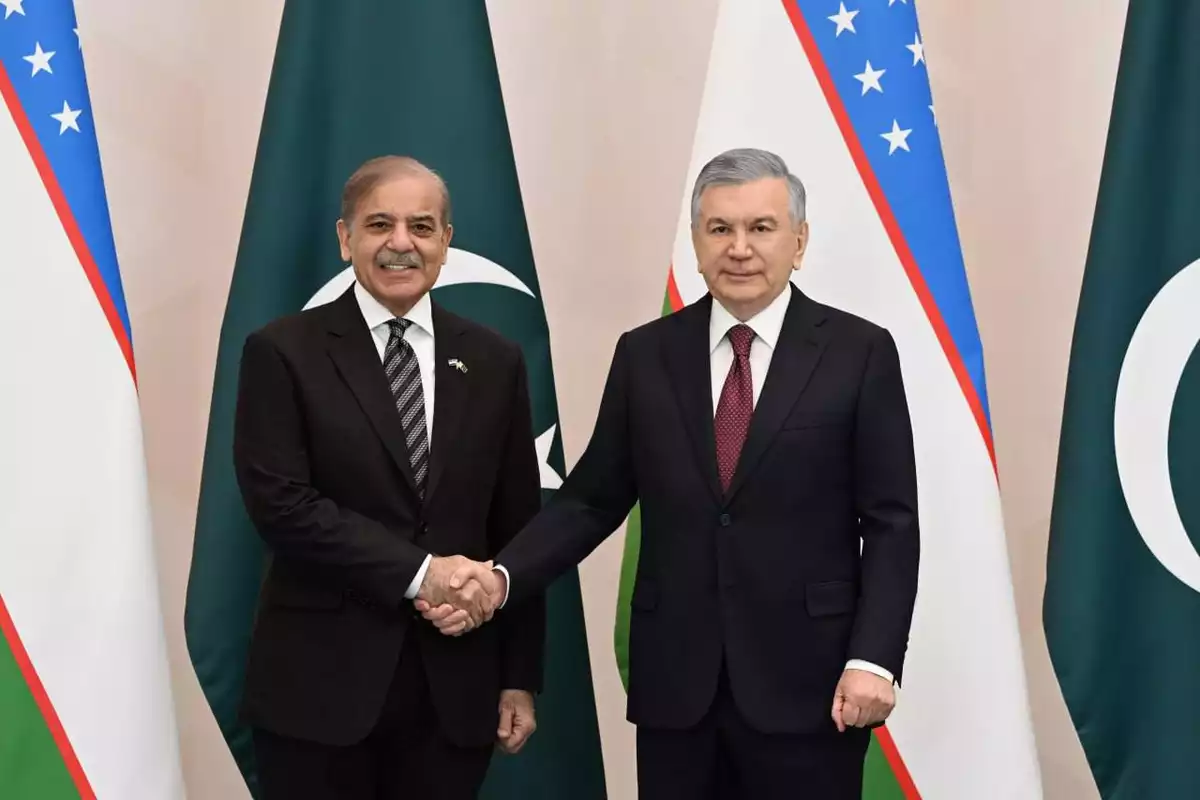
Regional connectivity stands as a cornerstone of this strategic partnership. Pakistan and Uzbekistan are actively exploring alternative transport corridors to enhance their logistical reach. Discussions specifically covered the imperative launch of direct air services, which will drastically reduce travel and transit times. Furthermore, tangible progress on regional railway projects, coupled with reinforced coordination on transit and logistics, will robustly support expanded regional trade flows.
In a significant structural development, a Joint Working Group on labor relations will be established. This group will precisely address vital areas such as labor mobility, specialized skills development, workplace safety protocols, and efficient employment visa processing. Hence, it creates a regulated framework for human capital exchange.

Agriculture and food security also featured prominently, highlighting a shared commitment to sustainable practices. Both parties celebrated advancements in phytosanitary protocols, which have successfully facilitated the export of fruits from Uzbekistan to Pakistan. To amplify this success, agreements were reached to expand cooperation via additional protocols, dedicated joint working groups, and technical collaboration in plant protection, livestock development, and advanced agricultural research.
Furthermore, the commission reviewed the baseline for cooperation in higher education, science, and technology. Officials agreed to systematically promote joint research initiatives, faculty and student exchanges, targeted vocational training, and innovation. This is strategically supported by recently executed agreements in various scientific and technical domains, fostering an ecosystem of knowledge transfer and technological advancement.
Environmental and climate cooperation emerged as a shared, high-priority objective. Both nations committed to collective action on climate resilience, the vital protection of glacial ecosystems, sustainable water management practices, robust environmental governance, and community-based adaptation initiatives. Therefore, this represents a holistic approach to ecological stewardship.

The pharmaceutical sector is poised for calibrated growth. The two countries agreed to strengthen regulatory cooperation, actively encourage joint ventures, facilitate crucial exchanges between manufacturers, and enhance capacity building. These measures collectively aim to ensure rigorous quality and safety standards across the industry, safeguarding public health.
Cooperation was also advanced across a diverse array of sectors, including energy, minerals, information technology, telecommunications, and small and medium enterprises. Additionally, industry, banking, and finance received focused attention. The emphasis throughout these areas remains on digitalization, innovation, institutional strengthening, and robust private sector participation, creating a comprehensive framework for diversified economic growth.
In their closing remarks, Haroon Akhtar Khan and Laziz Kudratov precisely articulated the imperative to translate political goodwill into measurable economic outcomes. They expressed profound confidence that the decisions rendered will deepen institutional linkages and fundamentally support sustainable growth trajectories in both Pakistan and Uzbekistan. The 11th session is scheduled for Tashkent, with precise dates to be determined through diplomatic channels.
The Socio-Economic Impact: Elevating Daily Life for Pakistanis
This bilateral commitment for a Pakistan Uzbekistan Trade Boost directly translates into tangible improvements for Pakistani citizens. For students and professionals, new avenues for educational exchange and skilled employment are now structurally in place, particularly with the Joint Working Group on labor relations. This could mean access to specialized training or new job markets, enhancing individual growth trajectories.
Furthermore, urban households can anticipate a broader, potentially more affordable, array of goods due to improved trade logistics and customs digitalization. Rural communities, conversely, will benefit from enhanced agricultural cooperation, including improved plant protection and livestock development, leading to greater food security and better market access for their produce. This strategic alignment directly elevates living standards and creates new economic opportunities across the nation.
The Forward Path: A Decisive Momentum Shift
This comprehensive framework for economic collaboration represents a decisive Momentum Shift for Pakistan. The strategic elevation of trade targets, coupled with deep-seated institutional reforms and sector-specific agreements, moves beyond mere maintenance. It signifies a proactive, calibrated strategy to integrate Pakistan more fully into Central Asian economies. This structural approach, underpinned by the Pakistan Uzbekistan Trade Boost initiative, positions Pakistan for sustained growth and regional influence, acting as a crucial catalyst for future prosperity.