

Accelerating National Advancement through Competence-Based Education
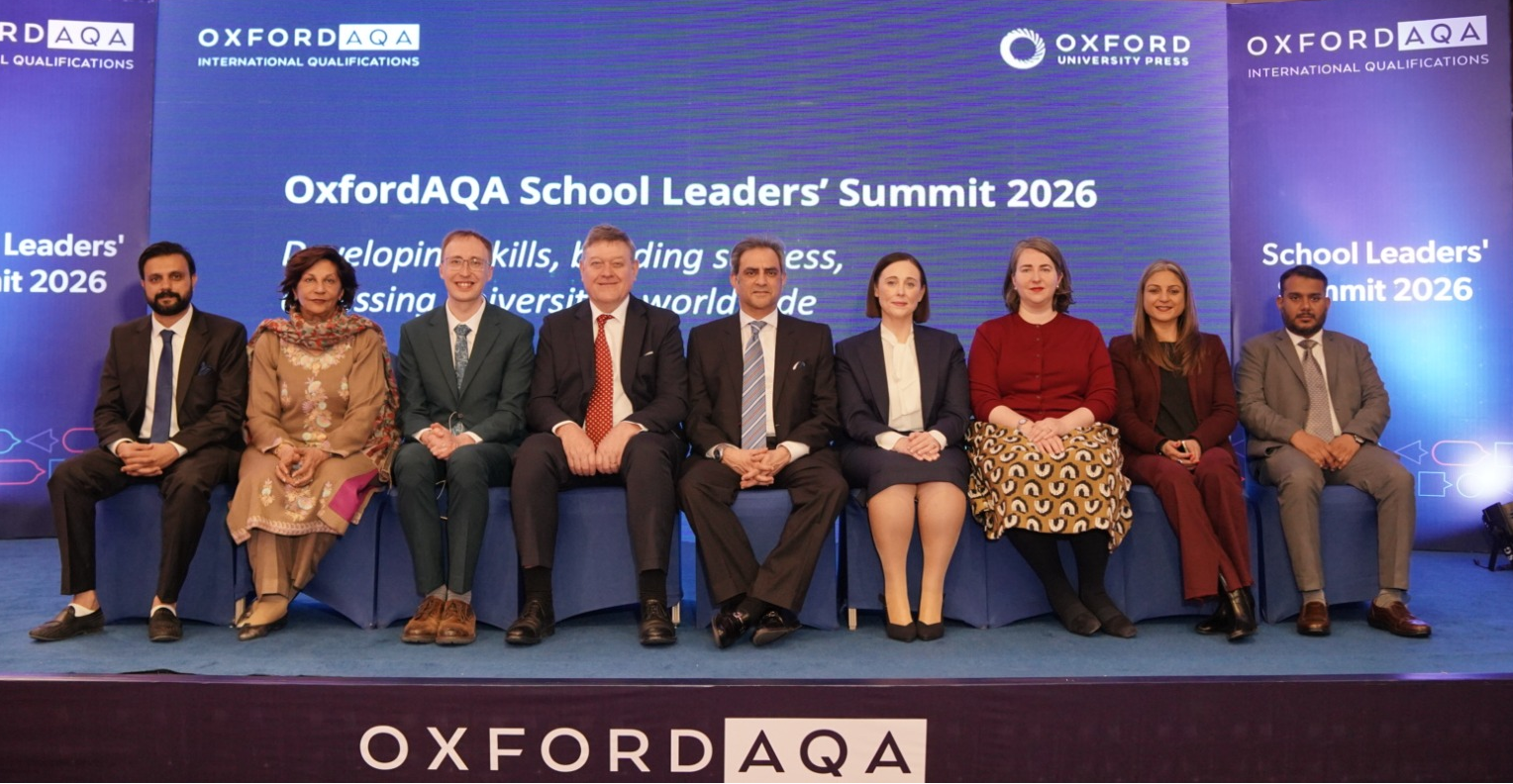
The OxfordAQA School Leaders’ Summit 2026 in Islamabad served as a critical nexus for recalibrating Pakistan’s educational trajectory. This strategic gathering, convened by OxfordAQA—a formidable partnership of Oxford University Press and AQA—united education leaders, policymakers, and practitioners. Their collective focus centered on redefining learning and assessment through competence-based education, a structural shift designed to equip students with future-ready skills essential for a modern, evolving world. This initiative represents a precise movement towards an education system that prioritizes practical application and deep understanding over rote memorization, thereby acting as a powerful catalyst for national development.
The Translation: Redefining Learning Metrics
Historically, Pakistani education often emphasized rote learning and recall. However, competence-based education fundamentally shifts this paradigm. It positions the learner at the system’s core, prioritizing the acquisition of demonstrable skills, practical application of knowledge, and a nuanced understanding of subjects. Arshad Saeed Husain, Managing Director of Oxford University Press Pakistan, highlighted this urgency, stating, “By focusing on skills, application, and understanding, we ensure education remains relevant to both national priorities and global opportunities.” Consequently, this approach moves beyond merely measuring what students remember, evaluating instead how they critically think, logically reason, and apply their acquired knowledge effectively.
The Socio-Economic Impact: Empowering Citizens for a Dynamic Future
This structural evolution in education holds profound implications for every Pakistani citizen. For students, it signifies a transition from a memory-centric curriculum to one that fosters problem-solving and critical thinking—skills highly demanded by the modern workforce. Professionals will benefit from a talent pool better prepared for innovation and adaptability, thereby enhancing Pakistan’s competitive edge globally. Furthermore, households across urban and rural Pakistan will witness their children graduating with a practical toolkit, ready to contribute meaningfully to the economy and society. This pedagogical shift directly impacts economic mobility and personal empowerment, providing a baseline for sustained national growth.
The Forward Path: A Decisive Momentum Shift
This initiative represents a decisive Momentum Shift for Pakistan’s educational landscape. Dr. Shoaiba Mansoor, Deputy Education Advisor, Ministry of Federal Education and Professional Training, underscored this, stating, “Assessment must move beyond measuring what students remember to evaluating how they think, reason, and apply knowledge.” This sentiment aligns with a strategic vision for progress, not merely maintenance. By embracing competence-based learning, Pakistan is proactively investing in its human capital, charting a course towards a future defined by innovation and intellectual autonomy. This calculated recalibration positions the nation for accelerated advancement.
Strategic Integration of AI for Enhanced Learning Outcomes
The OxfordAQA Summit also illuminated the calibrated role of Artificial Intelligence in educational advancement. Dr. Alexandra Tomescu, Product Specialist for Generative AI and Machine Learning at Oxford University Press, articulated this vision. She emphasized that “AI, when used responsibly, can enhance learning, assessment design, and teacher support.” This strategic integration focuses on leveraging technology to strengthen educational integrity and optimize learner outcomes. Thus, AI becomes a powerful tool for precision in education, not merely a disruptive force.
Global Benchmarking and Localized Impact: The OxfordAQA Approach
Andrew Coombe, Managing Director, OxfordAQA, presented compelling global insights, showcasing the impact of their approach worldwide. This global perspective was strategically complemented by Salma Adil, Director, OxfordAQA Pakistan, who detailed the local impact. “In Pakistan, OxfordAQA supports schools and educators in adopting assessment practices that develop confidence, critical thinking, and transferable skills,” she stated. This dual focus ensures that international best practices are precisely adapted to Pakistan’s unique educational context, fostering a generation capable of global competitiveness.
Empowering Students with Future-Focused Skills
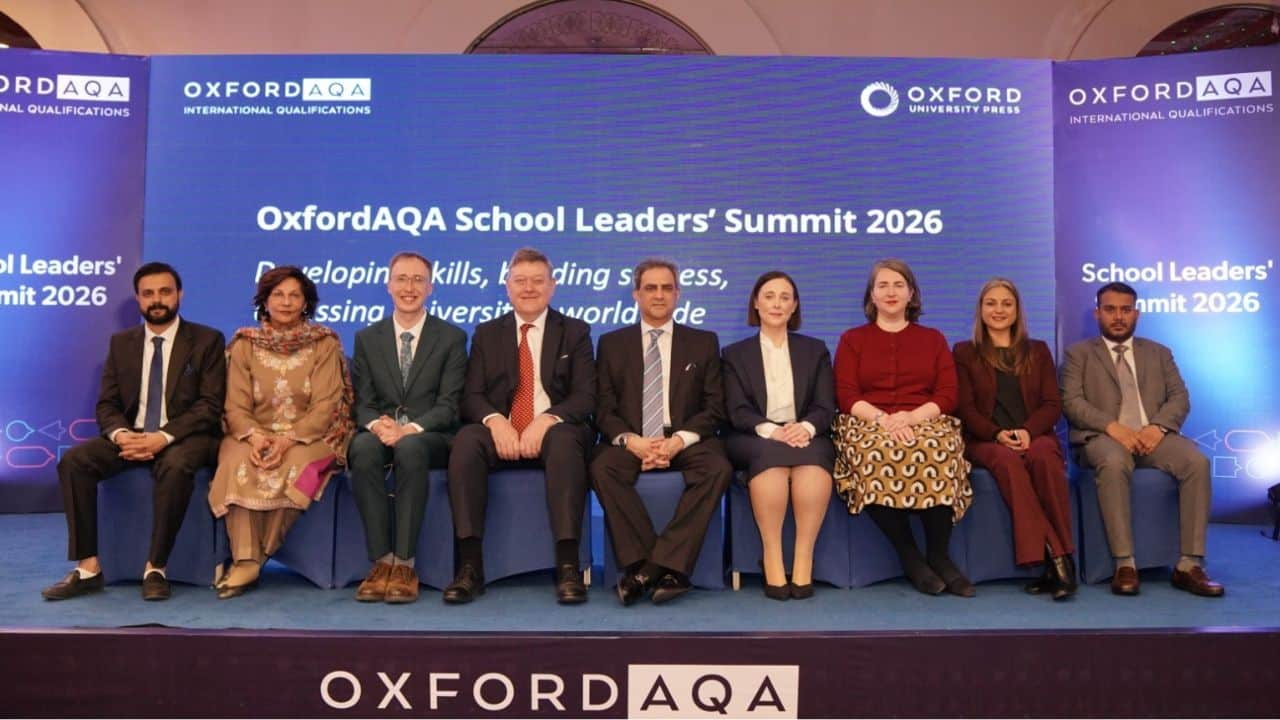
The summit culminated in a dynamic panel discussion, moderated by Neda Mulji, Senior Manager, Professional Development, Oxford University Press Pakistan. Experts explored strategies for preparing learners for an evolving global landscape. Furthermore, Matt MacGregor presented the ‘Oxford International Programme,’ highlighting comprehensive pathways that support students from early years through secondary education. This holistic approach structurally reinforces the commitment to equipping every student with foundational and advanced skills for life.
In closing, Andrew Coombe reaffirmed OxfordAQA’s long-term strategic commitment to Pakistan. He emphasized, “Collaboration with educators, institutions, and policymakers is key to shaping the future of education.” Collectively, these efforts ensure students are not merely prepared for examinations, but are precisely equipped to thrive in all facets of life. This unified vision propels Pakistan towards a digitally fluent and competently skilled future.








