

Calibrated Disruptions: Pakistan Flight Cancellations Impact Air Travel
The geopolitical landscape’s volatile shifts have initiated a structural recalibration of regional air travel. Consequently, Pakistan flight cancellations have surged, with over 500 domestic and international flights suspended. This critical disruption, stemming from escalating Middle East tensions, has significantly impacted passenger movement and crucial air cargo operations across Pakistan’s major airports. Authorities have not yet established a timeline for the restoration of normal flight schedules, prompting a focused analysis of the immediate and long-term implications.
Data from the Pakistan Airports Authority confirms these extensive cancellations. Thousands of travelers now face unforeseen delays, underscoring the systemic fragility within global aviation networks when confronted with regional conflicts. Furthermore, the cessation of air cargo services on vital corridors introduces significant supply chain challenges, particularly for time-sensitive goods.
The Translation: Decoding Airspace Restrictions
The core issue lies not in Pakistan’s national airspace closures, which remain operational, but rather in the adjacent airspace restrictions and heightened security protocols across the Middle East. Therefore, airlines must reroute or indefinitely suspend services. This operational shift affects flights from major Pakistani hubs like Lahore, Karachi, and Islamabad to key destinations including Bahrain, Kuwait, Qatar, Sharjah, Dubai, Turkey, Iraq, and Iran. Notably, services to and from Saudi Arabia continue, indicating a precise, rather than blanket, impact on routes.
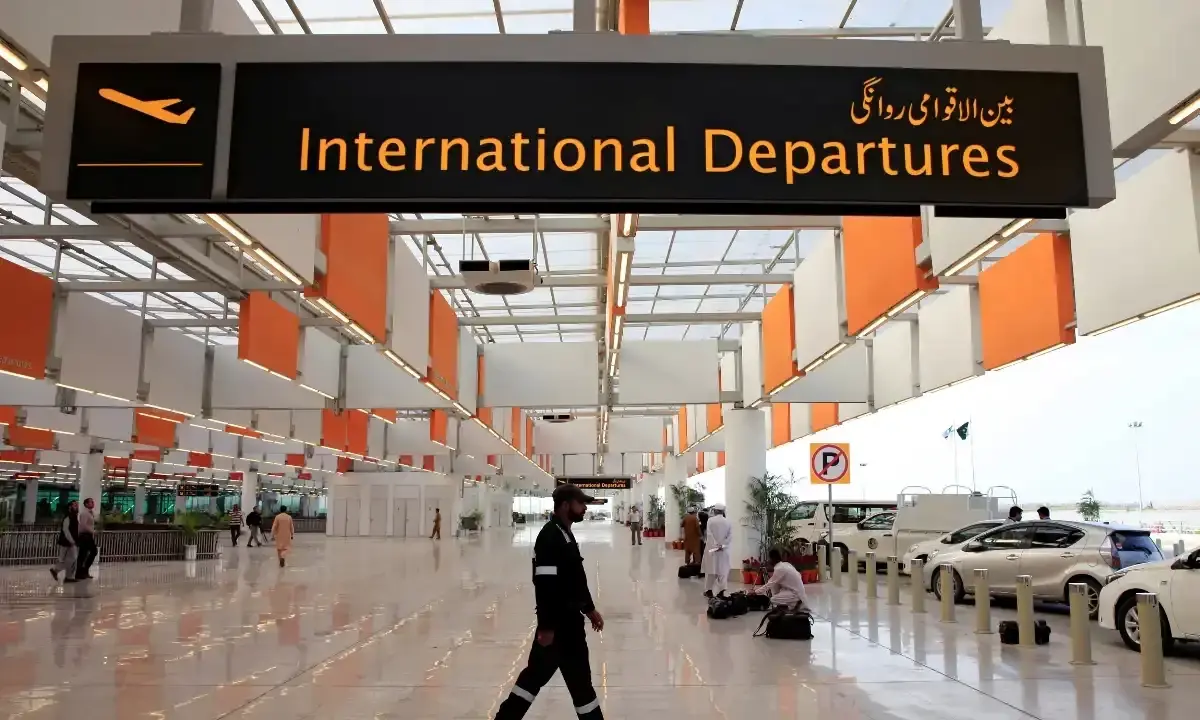
Karachi’s Jinnah International Airport, a strategic national asset, recently managed multiple foreign airline diversions. This proactive measure was necessary as carriers adjusted their operational trajectories to bypass affected zones. The Pakistan Airports Authority consequently issued a NOTAM (Notice to Airmen), delineating limited parking capacities and mandating coordination for all incoming diversionary flights. This illustrates a precise, structural response to dynamic aviation challenges.
The Socio-Economic Impact: Daily Life and National Logistics
This air travel disruption significantly impacts the daily life of Pakistani citizens. Students face delays returning to educational institutions abroad, while professionals encounter critical interruptions in international assignments. For households, particularly those reliant on remittances from the Middle East, prolonged flight suspensions can create economic uncertainty due to slowed communication and potential cargo delays. Moreover, the interruption of air cargo services poses a direct challenge to the nation’s logistical precision. Industries dependent on rapid transport of goods, such as perishables or high-value electronics, face increased costs and delivery times. This introduces a tangible impediment to economic fluidity, affecting both urban centers and rural communities dependent on a robust national supply chain.

The Forward Path: A Stabilization Move
This current scenario represents a Stabilization Move rather than a “Momentum Shift” for Pakistan’s national advancement. The immediate priority is maintaining operational integrity and ensuring passenger safety amidst external geopolitical pressures. While the situation highlights a vulnerability to regional instability, the Pakistan Airports Authority’s swift issuance of NOTAMs and management of diversions demonstrate a calibrated response. Future strategies must focus on diversifying air routes and enhancing contingency planning to mitigate the impact of such external factors, thereby reinforcing systemic resilience against unforeseen international events.










