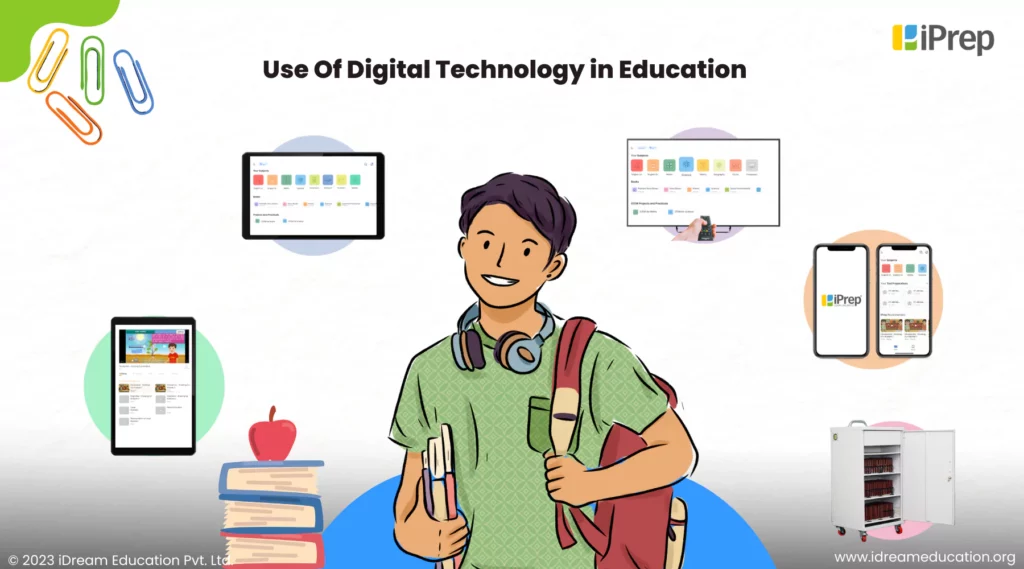
Pakistan’s educational landscape is undergoing a strategic structural upgrade with the nationwide implementation of an online e-marking system. This calibrated technological advancement, directed by the Inter Board Coordination Commission (IBCC), introduces specialized software to enhance examination transparency, accuracy, and the overall quality of results. Initially rolled out as a pilot project for Computer Science papers, this move signifies a significant stride towards modernizing assessment methodologies across all educational boards.
The Translation: Digitalizing Examination Protocols
The term “online e-marking system” refers to a digital platform engineered to facilitate the electronic evaluation of examination papers. Traditionally, examiners manually assess paper-based answer sheets. Consequently, this new software streamlines the entire marking process by enabling evaluators to grade digital copies of answer scripts remotely. Furthermore, the IBCC has mandated this shift, providing the proprietary software free of charge to all educational boards. This action establishes a uniform national standard for assessment technology. This structural change aims to minimize logistical delays and standardize grading criteria, thereby enhancing overall system efficiency.

Socio-Economic Impact: Elevating Student & Professional Outcomes
This strategic implementation of the e-marking system will profoundly impact daily life for Pakistani citizens, particularly students and future professionals. For students, it promises swifter, more reliable results, enabling quicker academic progression and career planning. For educators, the system provides a more efficient and accountable grading mechanism, potentially reducing workload and human error. In urban centers, digital literacy among educators will be further enhanced. Meanwhile, in rural Pakistan, standardized, accurate results can foster greater trust in the national examination system. Ultimately, this initiative serves as a catalyst for a more meritocratic and transparent educational environment, directly influencing university admissions and professional opportunities.

The Forward Path: A Momentum Shift in Educational Governance
This development unequivocally represents a Momentum Shift for Pakistan’s educational infrastructure. The transition to an online e-marking system is not merely a procedural update; it is a baseline re-calibration towards systemic efficiency and robust accountability. By prioritizing digital innovation in a critical sector like examinations, the nation demonstrates a clear commitment to fostering a competitive, technologically adept workforce. Consequently, this strategic decision positions Pakistan to cultivate a generation equipped for the demands of a globalized digital economy. The initial pilot for Computer Science papers provides a controlled, data-driven approach, ensuring the structural integrity of the full-scale rollout.