

Analyzing the Structural Shift in Global Energy
The global energy landscape faces a critical recalibration as oil prices surge above $100 per barrel. This escalation follows recent attacks on Gulf shipping lanes and key oil terminals, signaling a substantial disruption to global supply chains. Consequently, both Brent crude and U.S. crude futures recorded a sharp 9% increase, impacting international markets despite a record release from strategic oil reserves. This development demands a structural analysis of its implications for national economies and energy security.
Understanding the Volatility in Global Oil Prices
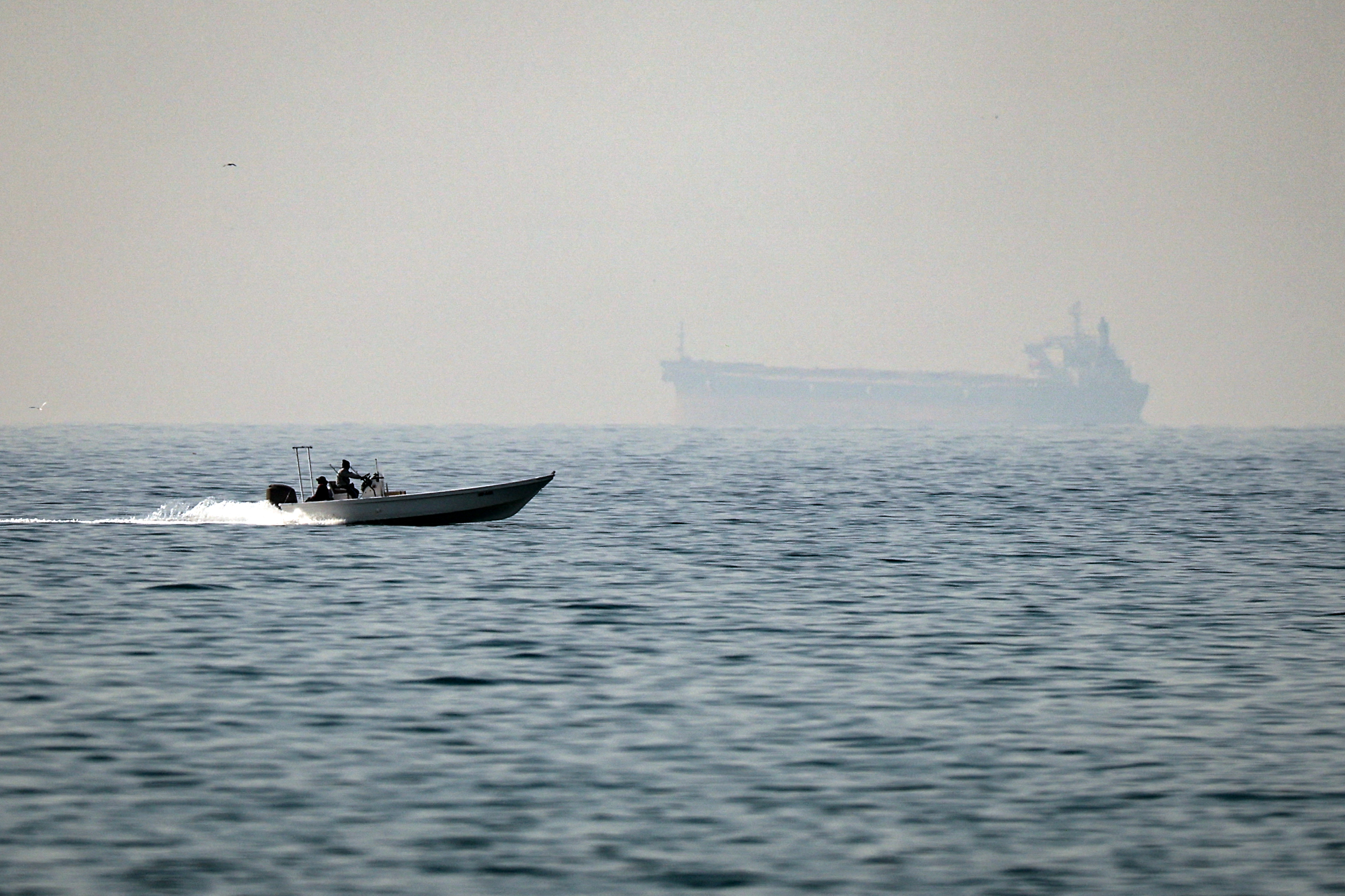
The recent spike, with Brent crude reaching $100.22 and U.S. crude at $95.41, directly correlates with escalating regional tensions. Specifically, Iraqi security officials reported two fuel tankers in Iraqi waters targeted by explosive-laden Iranian boats. Furthermore, Iraq’s oil ports have ceased operations, and Oman proactively evacuated vessels from its Mina Al Fahal terminal. These incidents are not isolated; rather, they represent a strategic pressure point on critical maritime pathways. Analysts confirm multiple Iraqi crude tankers are actively burning, leading to significant oil leakage in the Persian Gulf. This operational halt significantly reduces supply capacity.

In response to earlier market pressures, the International Energy Agency (IEA) announced the largest-ever release from global reserves: 400 million barrels. The U.S. will contribute 172 million barrels next week. However, these measures have provided minimal relief, as investors perceive the regional instability as a greater counter-force. The current strikes are widely interpreted by market analysts as a direct strategic counter-response to the IEA’s decision to deploy these reserves, exacerbating the already fragile market dynamics.
Socio-Economic Impact: Calibrating Daily Life in Pakistan
For Pakistani citizens, this oil prices surge translates directly into increased operational costs across all sectors. Households will likely experience higher fuel prices, impacting daily commutes and the cost of essential goods due to elevated transportation expenses. Students relying on public transport will face budgetary strains. Furthermore, professionals in urban centers will see an erosion of purchasing power. Rural communities, heavily dependent on diesel for agricultural machinery and logistics, will confront amplified production costs. This economic pressure demands immediate strategic adjustments from both government and private sectors to mitigate the ripple effect on inflation and public welfare. Consequently, the national economy must absorb these higher energy import bills, potentially diverting resources from other critical developmental projects. This situation emphasizes the strategic necessity of diverse and stable energy sourcing.
The Forward Path: A Stabilization Move for Energy Resiliency
This development is fundamentally a Stabilization Move. While the immediate impulse is to characterize it as a setback, it is crucial to recognize the systemic forces at play. Iran’s declaration of potential $200 per barrel oil prices highlights a calculated geopolitical leverage. Pakistan, therefore, must structurally reinforce its energy resiliency. This involves accelerating diversification into indigenous and renewable energy sources, coupled with strategic energy storage solutions. Moreover, calibrated diplomatic engagements are essential to stabilize regional trade routes and ensure uninterrupted supply. This current juncture necessitates a robust, data-driven national energy strategy to safeguard against such exogenous shocks, transforming vulnerability into an opportunity for strategic independence. Proactive, architectural planning for sustained national advancement is key.








