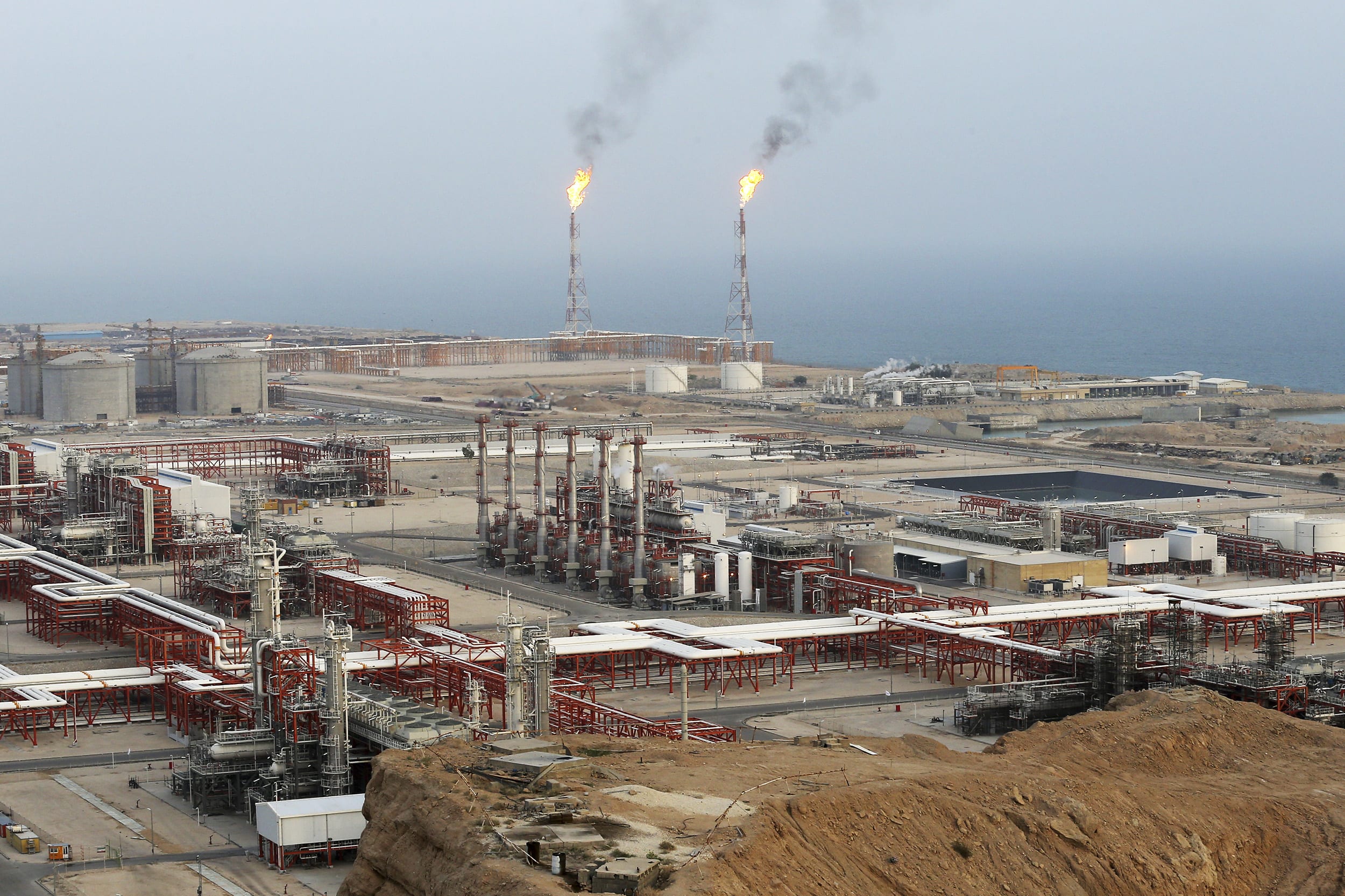
The global energy complex recently experienced a significant structural recalibration, as global oil prices sharply declined below the crucial $100 per barrel threshold. This strategic shift occurred after US President Donald Trump indicated a potential de-escalation of tensions in Iran, signaling an imminent conclusion to military engagements within weeks. Consequently, Brent crude futures plunged over 4% to approximately $99 per barrel, marking the first sub-triple-digit valuation in nearly a week. US West Texas Intermediate similarly fell to about $97 per barrel. This immediate market response underscores the critical sensitivity of energy markets to geopolitical stability.
The Translation: De-escalation’s Immediate Economic Vector
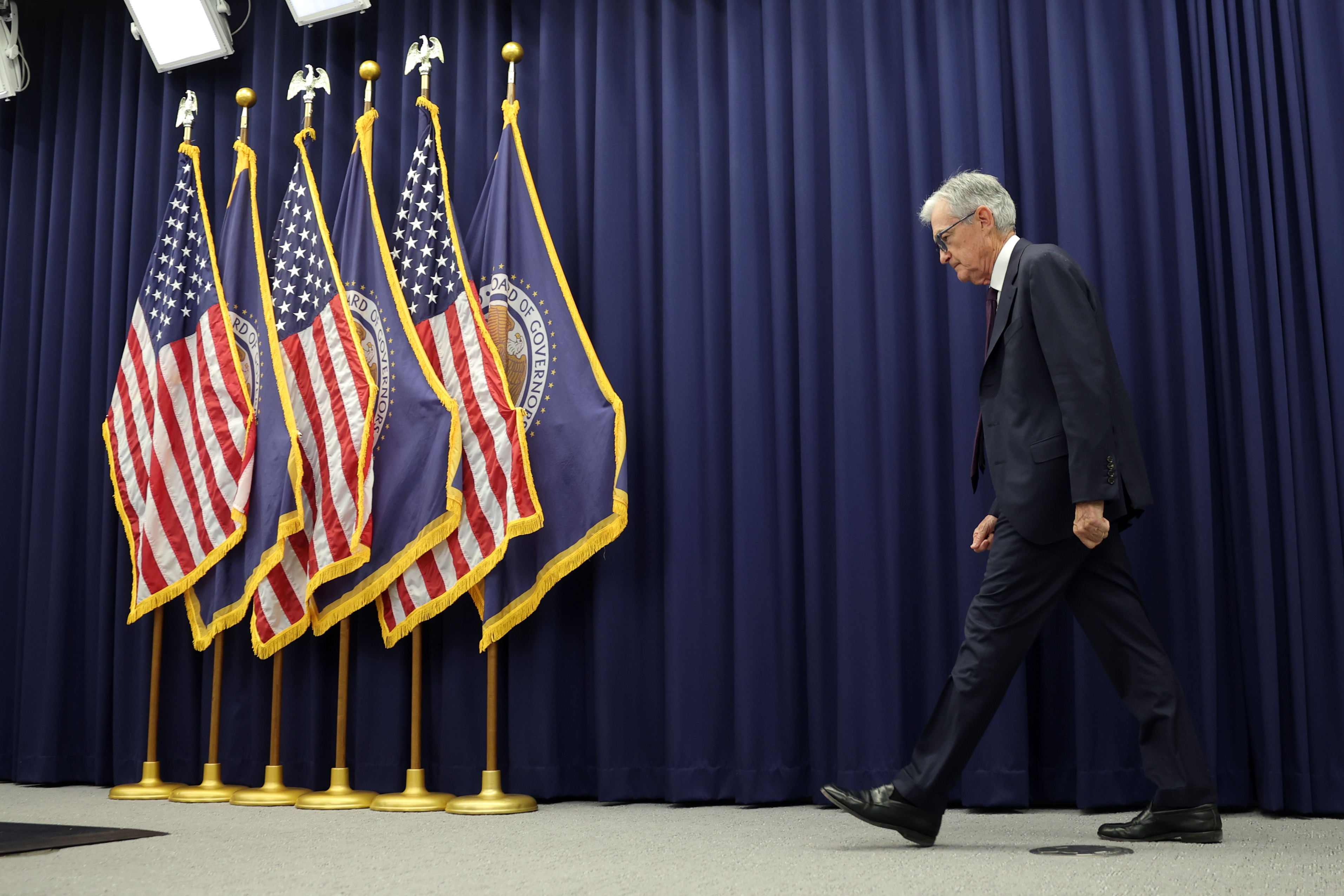
This rapid market correction directly translates former President Trump’s public statements into tangible economic indicators. Specifically, his remarks from the Oval Office, suggesting an “early” US withdrawal from Iran and a swift end to military actions, were fundamentally interpreted by global markets as a strong signal towards geopolitical de-escalation in the Middle East. This perception immediately triggered a significant selloff in oil futures, as the perceived risk premium associated with regional conflict diminished. Furthermore, a concurrent relief rally across global equities demonstrated investor confidence in a potentially more stable geopolitical environment. The market’s calibrated response highlights how political rhetoric can instantaneously recalibrate commodity valuations.
Socio-Economic Impact: Stabilizing Pakistan’s Energy Baseline
For the average Pakistani citizen, particularly households and businesses, this downward trend in global oil prices represents a significant stabilization move. Lower crude prices can directly translate into reduced fuel costs at the pump, easing the burden on household budgets and operational expenses for industries. Students and professionals commuting daily will experience reduced transportation costs. Farmers relying on diesel for agricultural machinery may see their input costs decrease, potentially stabilizing food prices. In urban centers, reduced energy costs can bolster small and medium-sized enterprises by lowering production and logistical expenditures. This economic recalibration offers a critical buffer against inflationary pressures, enhancing the national economic baseline. Consequently, this shift provides tangible relief across various socio-economic strata.
The Forward Path: Navigating Persistent Supply Vector Risks
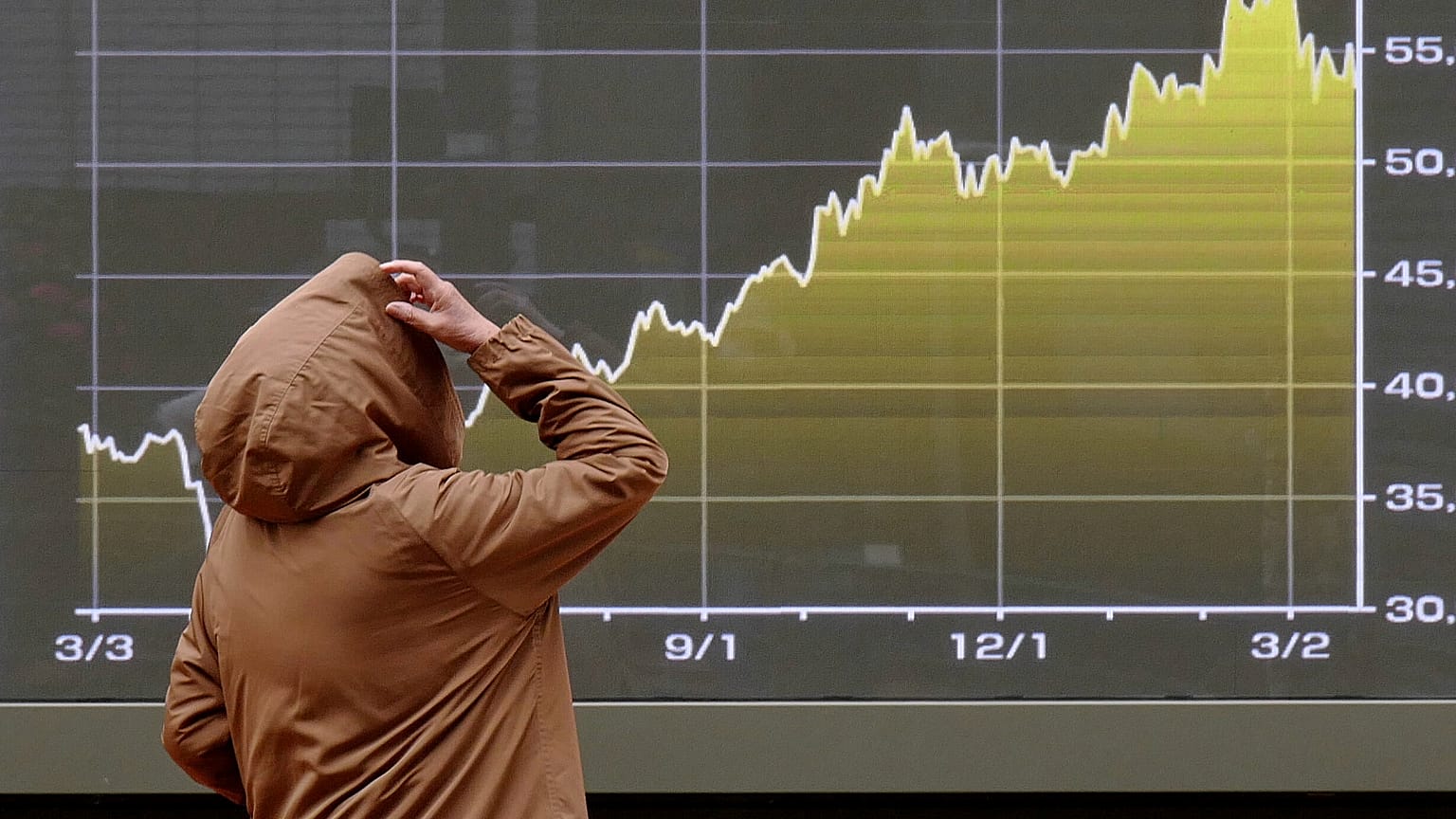
While the immediate market reaction signals a welcome stabilization, a meticulous analysis reveals persistent supply vector risks. Predominantly, the enduring uncertainty surrounding the Strait of Hormuz remains a critical vulnerability. This vital maritime choke point facilitates nearly 20% of global oil and LNG flows. Even with a potential de-escalation, the logistical complexities of clearing vessel backlogs and normalizing export channels are projected to demand considerable time. Therefore, despite the current positive trajectory, strategic vigilance is paramount. This development represents a Stabilization Move in immediate terms, offering a momentary reprieve. However, it is not yet a definitive Momentum Shift towards sustained lower prices, given the structural vulnerabilities inherent in global energy supply chains. Pakistan must continuously calibrate its energy security policies against these dynamic geopolitical forces.