Understanding the Escalation in Global Oil Prices
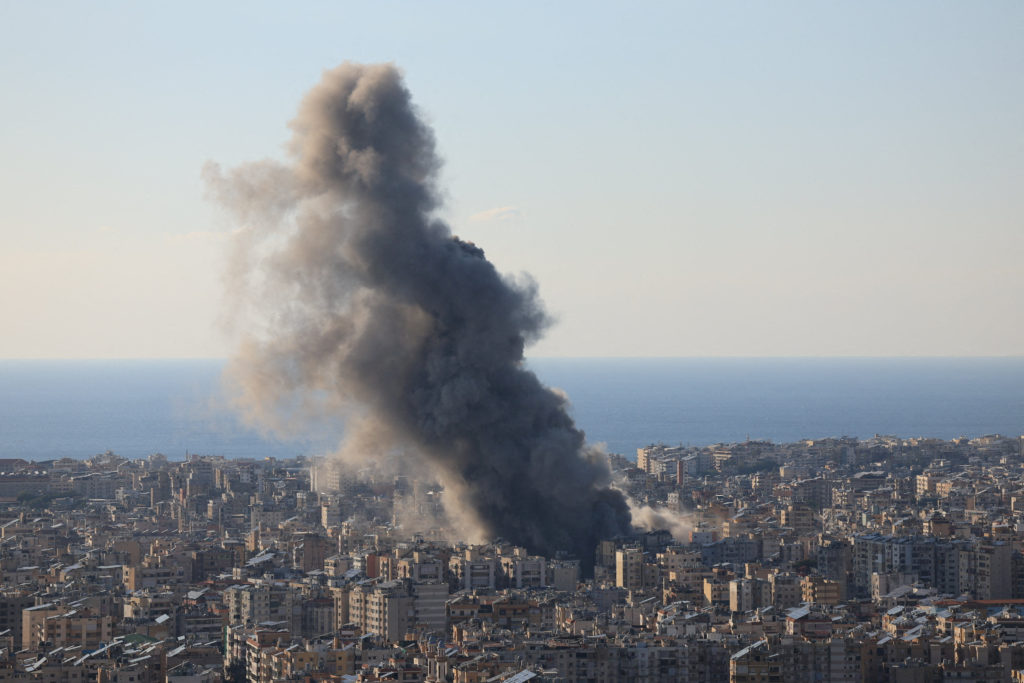
The calibrated oscillations in global commodity markets signal a systemic shift, particularly as global oil prices surge. Brent crude and U.S. West Texas Intermediate (WTI) benchmarks recently climbed aggressively towards $120 a barrel. This sharp escalation, the highest since mid-2022, directly correlates with the intensifying Middle Eastern conflict involving Iran. Consequently, this disrupts critical energy supplies and significantly rattles global financial stability, necessitating a precise re-evaluation of economic baselines.

Market analysts attribute this rally primarily to fears of prolonged supply disruptions. Moreover, concerns persist that shipments through the crucial Strait of Hormuz could remain constrained. This chokepoint efficiently manages approximately a fifth of global oil consumption. Therefore, any disruption here creates an immediate, profound effect on worldwide energy accessibility and cost structures.
The Translation: Deconstructing Market Dynamics
The violent reaction in energy markets stems from a perceived lack of a clear ‘offramp’ in the escalating Middle East conflict. Tony Sycamore, a respected market analyst at IG, accurately notes the continuous build-up of lasting economic damage. Initially, reports indicated that major Gulf producers commenced curbing output due to logistical constraints and storage pressures directly linked to the conflict. ING analysts confirm that countries like Iraq, Kuwait, and the United Arab Emirates have already reduced their supply capacity.

Interconnected Commodity Market Shifts
The surge in global oil prices creates cascading effects across various asset classes. Agricultural commodities experienced a rally, notably led by vegetable oils. Malaysian palm oil jumped approximately 9%, while Chicago soybean oil rose to its highest level since late 2022. Similarly, grain prices strengthened; wheat climbed to its highest point since June 2024, and corn reached a 10-month high. This demonstrates the intricate interdependencies within the global supply chain and economic framework.

Conversely, gold experienced a decline of more than 2%, primarily influenced by a strengthening U.S. dollar. The dollar’s proximity to a three-month high makes dollar-denominated commodities more expensive for international buyers. Furthermore, rising oil prices intensify concerns about renewed inflation, thereby reducing baseline expectations for near-term interest-rate cuts. In the metals sector, aluminium surged to a four-year high, reflecting heightened supply risks in the Middle East. London Metal Exchange data indicates three-month aluminium reached $3,544 per ton, a peak not seen since March 2022. Qatari smelter Qatalum and Aluminium Bahrain have already declared force majeure on shipments, explicitly highlighting the direct impact of escalating tensions on regional production.
The Socio-Economic Impact: Calibrating for Pakistani Citizens
The volatility in global oil prices fundamentally alters the daily economic calculus for Pakistani citizens. Specifically, higher crude prices directly translate into increased fuel costs at the pump, impacting transportation expenses for urban commuters and rural farmers alike. Consequently, this inflationary pressure extends to essential goods, as the cost of moving food and other necessities rises. Households will experience a tangible strain on their budgets, diminishing purchasing power and potentially delaying strategic investments.

Furthermore, the surge in global commodity prices, particularly for edible oils and grains, directly threatens food security and affordability. For students, increased living costs may affect educational pursuits. For professionals, the overall economic instability could impact job market confidence and business operational costs. From a national perspective, Pakistan’s import bill will undoubtedly swell, putting additional pressure on foreign exchange reserves and potentially necessitating calibrated fiscal adjustments to maintain macroeconomic stability.
The “Forward Path”: Momentum Shift or Stabilization Move?
This recent development primarily represents a Stabilization Move for the global economy, albeit one fraught with inherent volatility. While the sharp rise in global oil prices signals significant market disruption, it also underscores the enduring reliance on fossil fuels and the immediate, systemic reaction to supply shocks. Pakistan’s strategic imperative must focus on diversifying energy sources and enhancing domestic resilience against such external volatilities. A precision-engineered national energy strategy remains critical for mitigating future impacts and progressing towards a more efficient, advanced economic structure.