Revolutionizing Enterprise: Is AGI Already Here?
The concept of Artificial General Intelligence (AGI) profoundly redefines national technological advancement. Recently, NVIDIA CEO Jensen Huang delivered a significant statement, asserting that AGI already here and capable of managing entire companies. This perspective, shared during an interview on Lex Fridman’s podcast, suggests a calibrated shift in our understanding of advanced AI capabilities. Furthermore, Huang pointed to platforms like OpenClaw, an autonomous AI agent, as a tangible example of this evolving landscape. This statement necessitates a deep dive into the practical implications for Pakistan’s digital economy.
The Translation: Decoding AGI’s Current State
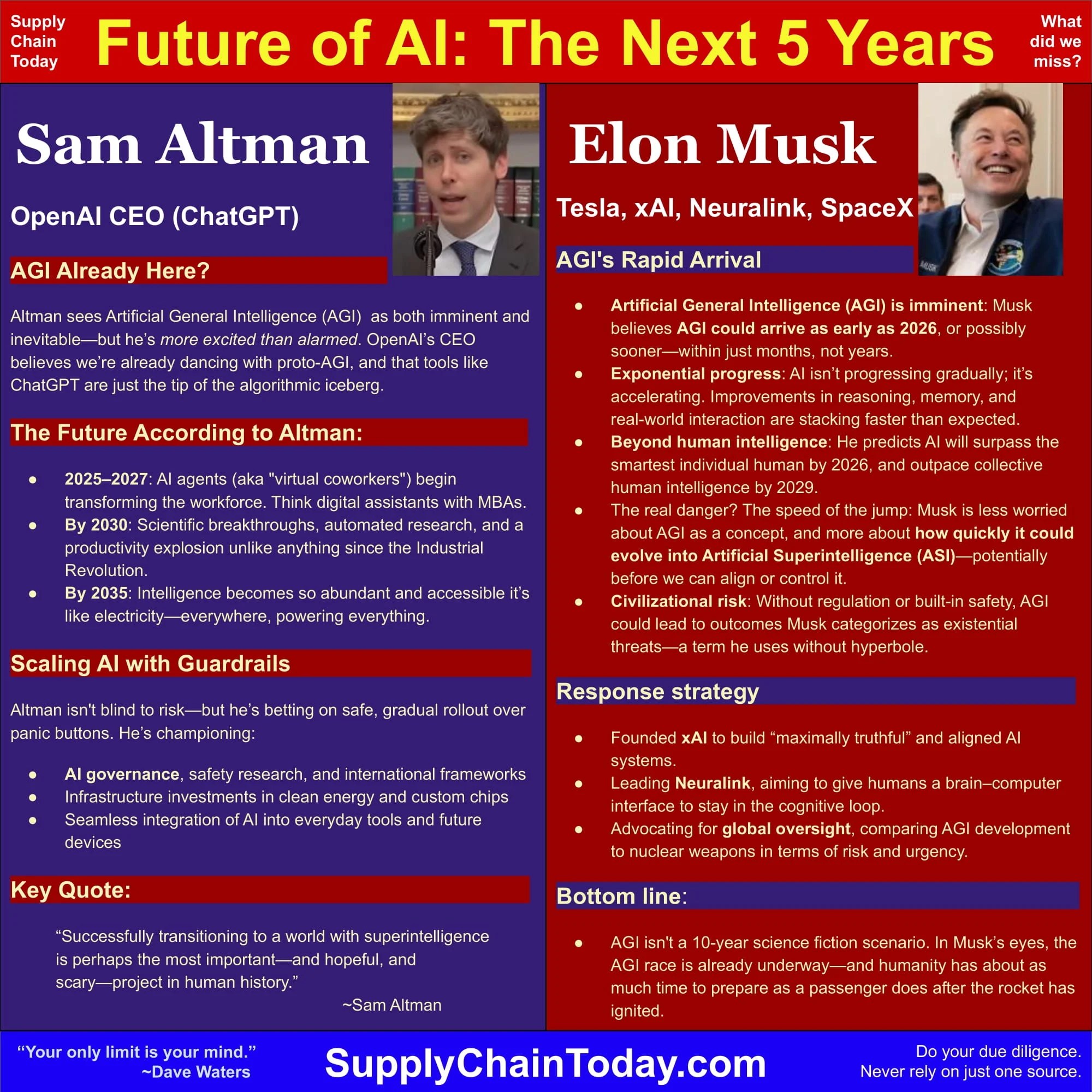
Artificial General Intelligence refers to systems engineered to match or exceed human cognitive functions, executing complex tasks such as organizational management and strategic decision-making. Huang’s assertion that “it’s now” marks a critical juncture. However, the definition of AGI remains fluid, prompting varied opinions from industry leaders. Sam Altman, for instance, perceives progress toward AGI as gradual rather than a singular, definitive breakthrough. Conversely, Satya Nadella emphasizes that AGI’s achievement should not hinge on isolated claims but on verified, consistent advancement. This divergence underscores the complexity in precisely calibrating AGI’s current status.
The Socio-Economic Impact: A New Paradigm for Pakistan
A confirmed presence of AGI already here holds transformative potential for Pakistani citizens. Consider the operational efficiency gains: AI could autonomously manage supply chains, optimize resource allocation, and enhance service delivery in sectors ranging from healthcare to logistics. For students, this signals a critical need to pivot educational trajectories toward advanced AI literacy and specialized skill development in AI enterprise management. Professionals may encounter new roles focused on AI supervision and strategic implementation, rather than routine operational tasks. Furthermore, urban and rural households alike could benefit from streamlined public services and innovative solutions driven by autonomous systems. Consequently, understanding this technological shift is crucial for future economic planning.

Strategic Perspectives on AI Autonomous Management
While the potential for AI to autonomously run companies is immense, a balanced perspective is essential. Huang himself cautioned against overreliance, specifically stating the improbability of AI agents building an enterprise akin to NVIDIA. This implies a hybrid operational model where human oversight remains structurally integral. Moreover, historical data shows that user interest in many AI tools often dissipates over time, indicating a need for sustained utility and integration rather than transient novelty. This structural reality informs our approach to deploying autonomous AI platforms within our national infrastructure. Therefore, a strategic blend of human expertise and advanced AI will likely define the most efficient future enterprises.

The “Forward Path”: A Momentum Shift for Digital Evolution
Jensen Huang’s declaration signals a definitive Momentum Shift in the global technological landscape. It compels Pakistan to proactively recalibrate its digital strategy. While the precise timeline for widespread AGI adoption remains under debate, the foundational capabilities are demonstrably advancing. This development necessitates intensified investment in AI research, infrastructure, and talent development to secure Pakistan’s position on the digital frontier. By embracing these advancements strategically, our nation can leverage the efficiencies offered by autonomous systems, fostering unprecedented growth and innovation across all sectors.